8 Hospitals

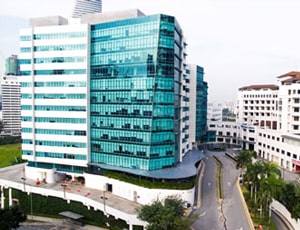
Prince Court Medical Centre
Kuala Lumpur, Malaysia
Number of Beds: 277
Year of Establishment: 2007
The Transplant Department in Prince Court Medical Centre in Malaysia offers organ transplantation procedures, including kidney, liver, heart, lung, pancreas, and intestinal transplants. It involves evaluating recipients, matching suitable donors (living or deceased), and performing complex surgeries followed by lifelong immunosuppressive therapy to prevent rejection. A multidisciplinary team includes transplant surgeons, hepatologists, nephrologists, immunologists, and coordinators.
Post-transplant monitoring in Malaysia is critical to detect complications like organ rejection, infection, and medication side effects. The transplant department also handles ABO-incompatible and pediatric transplants using advanced techniques. Innovations like robotic surgery, desensitisation protocols, and organ preservation methods have improved success rates.
- Accreditation

Please Enquire
- Excellence in Healthcare Services in 2019 - Awarded by APAC Insider for Parkway Pantai's exceptional healthcare services and high patient satisfaction.
- Best Healthcare Brand in 2018 - Awarded by Influential Brands for Parkway Pantai's contribution to the healthcare industry and patient care.
- Best Hospital Group in 2017 - Awarded by HR Asia for Parkway Pantai's commitment to employee welfare and development, which ultimately benefits the patients.
- Best Private Healthcare Provider in Asia-Pacific in 2016 - Awarded by Global Health and Travel for Parkway Pantai's exceptional healthcare services and facilities.
- Best Healthcare Provider in Southeast Asia in 2015 - Awarded by MIMS for Parkway Pantai's exceptional medical services, innovative technology, and patient care
- Accreditation


Sunway Medical Centre
Kuala Lumpur, Malaysia
Number of Beds: 724
Year of Establishment: 1999
Kuala Lumpur's Sunway Medical Centre provides various transplant services, including stem cell and kidney transplants.
With a 90% 10-year survival record for recipients of living donor transplants, the Kidney Transplant Centre offers both living and deceased donor choices. The Bone Marrow Transplant Centre uses a cutting-edge haematology facility with sophisticated equipment for processing and storing stem cells, and specialises in both autologous and allogeneic stem cell transplants.
The hospital's dedication to providing top-notch care following international standards is demonstrated by its accreditation by the Malaysian Society for Quality in Health (MSQH) and the Australian Council on Healthcare Standards (ACHS). Its proficiency in various medical specialisations has also been highlighted by its recognition in Newsweek's Asia's Top Private Hospitals 2025 rating.
- Accreditation


Parkcity Medical Centre in Kuala Lumpur is a leading private hospital in Malaysia, renowned for its pioneering work in transplant medicine. It was the first private hospital in the country to perform a bone marrow transplant in 1999 and has since built a strong BMT program for adults and children. Parkcity Medical Centre also performed Malaysia’s first open-heart surgery and pediatric liver transplants. Equipped with advanced technology and staffed by experienced specialists, the hospital offers a range of transplant services, including stem cell transplants. Parkcity Medical Centre is known for its clinical excellence, innovation, and multidisciplinary approach, making it a leader in Malaysian healthcare.
ParkCity Medical Centre in Kuala Lumpur has been JCI-accredited. It also holds MSQH accreditation. The centre maintains high standards of care and offers treatment for vascular and thoracic conditions, ensuring quality outcomes and patient satisfaction.
- Accreditation

Subang Jaya Medical Centre
Kuala Lumpur, Malaysia
Number of Beds: 442
Year of Establishment: 1985
Subang Jaya Medical Centre (SJMC) in Kuala Lumpur is a leading private hospital in Malaysia, renowned for its pioneering work in transplant medicine. It was the first private hospital in the country to perform a bone marrow transplant in 1999 and has since built a strong BMT program for adults and children. SJMC also performed Malaysia’s first open-heart surgery and pediatric liver transplants. Equipped with advanced technology and staffed by experienced specialists, the hospital offers various transplant services, including stem cell transplants. SJMC is known for its clinical excellence, innovation, and multidisciplinary approach, making it a leader in Malaysian healthcare.
Subang Jaya Medical Centre (SJMC) in Kuala Lumpur is accredited by Joint Commission International (JCI) and ISO, reflecting its commitment to global healthcare standards.
- Accreditation
Please Enquire

The Transplant Department in Ara Damansara Medical Centre in Malaysia offers organ transplantation procedures, including kidney, liver, heart, lung, pancreas, and intestinal transplants. It involves evaluating recipients, matching suitable donors (living or deceased), and performing complex surgeries followed by lifelong immunosuppressive therapy to prevent rejection. A multidisciplinary team includes transplant surgeons, hepatologists, nephrologists, immunologists, and coordinators.
Post-transplant monitoring in Malaysia is critical to detect complications like organ rejection, infection, and medication side effects. The transplant department also handles ABO-incompatible and pediatric transplants using advanced techniques. Innovations like robotic surgery, desensitisation protocols, and organ preservation methods have improved success rates.
- Accreditation

Bukit Tinggi Medical Centre
Kuala Lumpur, Malaysia
Number of Beds: 171
Year of Establishment: 2016
Bukit Tinggi Medical Centre in Kuala Lumpur is a leading private hospital in Malaysia renowned for its pioneering work in transplant medicine. The Hospital also performed Malaysia’s first open-heart surgery and pediatric liver transplants. Equipped with advanced technology and staffed by experienced specialists, the hospital offers various transplant services, including stem cell transplants. Bukit Tinggi Medical Centre is known for its clinical excellence, innovation, and multidisciplinary approach, making it a leader in Malaysian healthcare.
Bukit Tinggi Medical Centre (BTMC) is accredited by the Malaysian Society for Quality in Health (MSQH), reflecting adherence to national healthcare standards.
- Accreditation

Damansara Specialist Hospital 2 (DSH2), Kuala Lumpur
Kuala Lumpur, Malaysia
Number of Beds: 132
Ask your healthcare adviser for the best multiple options and choose the one that meets your expectations
Request for an Expert Opinion
