Browse verified doctors or let our care team help you find the doctor best suited to your condition, treatment goals, and budget.

Rabin Medical Center provides specialised Posterior Cruciate Ligament (PCL) Reconstruction with a focus on minimally invasive surgery, precise graft placement, patient safety, and functional recovery. Established in 1996, the JCI hospital is located in Petah Tikva, Israel and operates 1300 beds with modern orthopedic infrastructure.
PCL Reconstruction is an advanced surgical treatment for selected patients with significant posterior cruciate ligament injuries that compromise knee stability and function. During reconstruction, the damaged ligament is replaced with a tendon graft that is positioned and secured to reproduce the stabilising role of the original PCL. Comprehensive evaluation helps determine the severity of the injury and suitability for surgery. Following the procedure, a structured rehabilitation program involving progressive exercises and physiotherapy helps restore knee movement, strength, and stability.
At Sheba Medical Center, Posterior Cruciate Ligament (PCL) Reconstruction is performed using advanced arthroscopic and ligament reconstruction techniques, with personalised treatment plans tailored to the patient's knee injury. Established in 1948, this JCI hospital in Ramat Gan, Israel has 1900 beds and provides comprehensive orthopedic and sports medicine care.
Posterior Cruciate Ligament (PCL) Reconstruction may be recommended for patients with severe PCL injuries causing persistent knee instability, particularly when associated injuries are present or non-surgical treatment has not provided adequate recovery. During the procedure, the damaged ligament is reconstructed using a suitable tendon graft and secured within the knee. A detailed assessment using clinical examination and imaging helps determine the extent of injury. Rehabilitation following surgery is essential for restoring movement, strength, and knee function.
At Herzliya Medical Center, Posterior Cruciate Ligament (PCL) Reconstruction is performed using advanced arthroscopic and ligament reconstruction techniques, with personalised treatment plans tailored to the patient's knee injury. Established in 1983, this hospital in Herzliya, Israel has 120 beds and provides comprehensive orthopedic and sports medicine care.
Posterior Cruciate Ligament (PCL) Reconstruction may be recommended for patients with severe PCL injuries causing persistent knee instability, particularly when associated injuries are present or non-surgical treatment has not provided adequate recovery. During the procedure, the damaged ligament is reconstructed using a suitable tendon graft and secured within the knee. A detailed assessment using clinical examination and imaging helps determine the extent of injury. Rehabilitation following surgery is essential for restoring movement, strength, and knee function.
Kaplan Medical Centre is a trusted healthcare provider for Posterior Cruciate Ligament (PCL) Reconstruction, offering specialized ligament reconstruction supported by experienced orthopedic surgeons and modern arthroscopic infrastructure. Established in 1953, the JCI hospital is situated in Rehovot, Israel and has 1100 beds.
PCL Reconstruction aims to restore stability and function in patients with significant posterior cruciate ligament damage. The PCL is an important ligament that helps prevent excessive backward movement of the shinbone relative to the thighbone. When reconstruction is indicated, surgeons typically use a tendon graft to replace the damaged ligament, often through minimally invasive arthroscopic techniques. Preoperative assessment includes physical examination and imaging, while structured rehabilitation helps the knee gradually regain strength and stability.
Assuta Hospital provides specialised Posterior Cruciate Ligament (PCL) Reconstruction with a focus on minimally invasive surgery, precise graft placement, patient safety, and functional recovery. Established in 1934, the JCI hospital is located in Tel Aviv, Israel and operates 300 beds with modern orthopedic infrastructure.
PCL Reconstruction is an advanced surgical treatment for selected patients with significant posterior cruciate ligament injuries that compromise knee stability and function. During reconstruction, the damaged ligament is replaced with a tendon graft that is positioned and secured to reproduce the stabilising role of the original PCL. Comprehensive evaluation helps determine the severity of the injury and suitability for surgery. Following the procedure, a structured rehabilitation program involving progressive exercises and physiotherapy helps restore knee movement, strength, and stability.
Lis Maternity & Women's Hospital offers advanced Posterior Cruciate Ligament (PCL) Reconstruction using modern orthopedic and sports medicine techniques and internationally accepted treatment protocols. Established in 1997, the NABH hospital is located in Tel Aviv, Israel and has 400 beds, providing comprehensive orthopedic care for local and international patients.
PCL Reconstruction is a surgical procedure used to restore stability in the knee when the posterior cruciate ligament is severely torn or damaged and does not heal adequately with conservative treatment. The procedure generally involves replacing the damaged ligament with a tendon graft obtained from the patient or a donor. Before surgery, doctors evaluate knee stability through physical examination and imaging such as MRI. Postoperative physiotherapy and rehabilitation help restore knee strength, stability, and range of motion.
Tel Aviv, Israel
At Tel Aviv Sourasky Medical Center -Ichilov Hospital, Posterior Cruciate Ligament (PCL) Reconstruction is performed using advanced arthroscopic and ligament reconstruction techniques, with personalised treatment plans tailored to the patient's knee injury. Established in 1963, this JCI hospital in Tel Aviv, Israel has 1500 beds and provides comprehensive orthopedic and sports medicine care.
Posterior Cruciate Ligament (PCL) Reconstruction may be recommended for patients with severe PCL injuries causing persistent knee instability, particularly when associated injuries are present or non-surgical treatment has not provided adequate recovery. During the procedure, the damaged ligament is reconstructed using a suitable tendon graft and secured within the knee. A detailed assessment using clinical examination and imaging helps determine the extent of injury. Rehabilitation following surgery is essential for restoring movement, strength, and knee function.

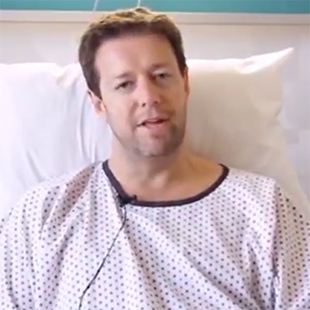
Kevin Stewart from Scotland could barely walk straight due to a Slip Disc. He faced many discomforts for the past 2 years and eventually had…

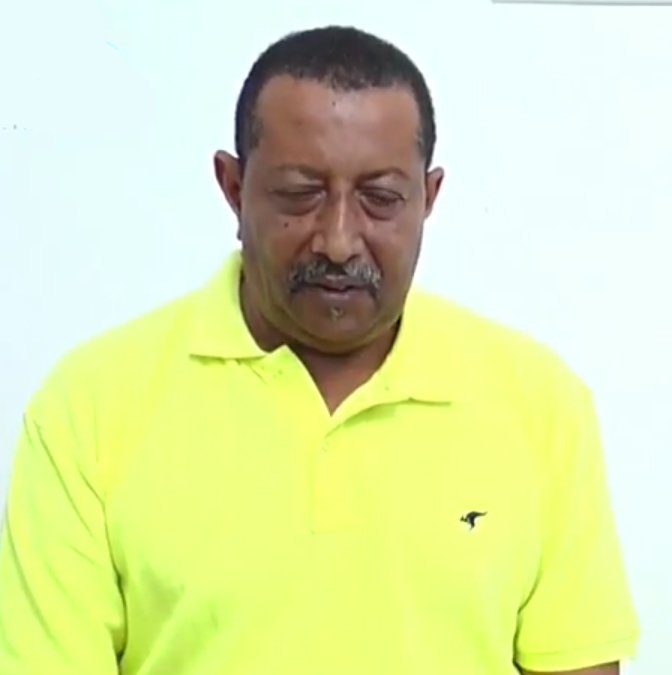
Mr. Muhammed Dumia was suffering from painful left Knee and was in considerable pain for the last 2 months. He eventually underwent Knee Replacement Surgery…