7 Hospitals

- Best Hospital Chain: National, ET Healthcare Awards 2022 by The Economic Times (17/11/2022).
- Healthcare CEO of the Year: National (Dilip Jose), ET Healthcare Awards 2022 by The Economic Times (17/11/2022).
- Healthcare Leader of the Year (Jury Chair): National (Dr. H. Sudarshan Ballal), ET Healthcare Awards 2022 by The Economic Times (17/11/2022).
- Award-Winning Milestones Recognition, CAHO, Manipal Hospitals Dwarka: Delhi (17/10/2024).
- Karnataka Rajyotsava Award 2024 (Dr. Satyanarayana Mysore), Government of Karnataka, Manipal Hospitals Old Airport Road, Bengaluru (06/11/2024).
- Accreditation


Please Enquire

Manipal Hospitals have a dedicated Tumour Board to ensure excellent treatment for the patients. The medical oncology department at the Manipal Hospital involves various types of treatment therapies through medication including chemotherapy, biological therapy, bone marrow aspiration, and transplant among others. Radiation therapy to treat cancer is non-invasive.
The technologies at Manipal Hospital include Two Linear accelerators – Elekta Precise and Elekta Infinity along with a Gamma med brachytherapy system, Image-Guided Radio Therapy (IGRT) with onboard Cone Beam CT (CBCT), Volumetric Modulated Arc Therapy (VMAT), Intensity Modulated Radio Therapy (IMRT), Stereotactic Body Radio Therapy (SBRT), Stereotactic Radio Surgery (SRS) - Flattening filter-free- faster SRS delivery (FFF), Electrons for superficial tumors - 3 Dimensional Conformal Radio Therapy (3DCRT), 2 Dimensional Palliative Radio Therapy, Smart arc, and dynamic treatment planning, Brachyvision planning for brachytherapy, Image-guided brachytherapy. Manipal hospital also offers palliative care, child life care, a play therapy clinic, and counseling to patients suffering from kidney cancer.
- Accreditation


BGS Gleneagles Global Hospitals, Bangalore is one of the best hospitals in Bangalore for treating kidney cancer. More than 10,000 successful kidney disease surgeries have been performed at the hospital. BGS Gleneagles is home to the best doctors in Bangalore for kidney cancer treatment. Urine Analysis, Glomerular Filtration Rate (GFR), Ultrasound Scanning, MR Angiography, Imaging Studies of the Kidney such as Computed Tomography scan (CT scan) or Magnetic resonance imaging (MRI), Renal Biopsy, Intravenous Urography (IVU), Scintigraphy, Renal Arteriography, and other diagnostic techniques are available.
BGS Gleneagles Hospital has Cadaveric renal transplantation, Solitary Kidney transplant, Laparoscopic donor Nephrectomy, Combined Liver Kidney Transplant, and Combined Kidney Pancreas Transplant. In the case of advanced renal cell cancer, surgical options include partial/ radical nephrectomy, minimally invasive procedures such as radiofrequency (RF) ablation, cryoablation, microwave ablation, laser ablation, and high-intensity focused ultrasound ablation, chemotherapy, immunotherapy, or molecular therapy. Radical nephrectomy, Partial nephrectomy, and Radical nephroureterectomy are all laparoscopic and open surgery options for renal cell carcinoma (kidney cancer) at BGS Global. Dr. Anil Kumar BT, Dr. Narendra S, and Dr. Rajiv E N are some of the kidney cancer experts at the hospital.
- Accreditation
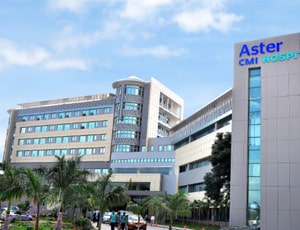
- Best Hospital for Quality and Excellence in Healthcare, 2021, Times of India: Aster CMI Hospital Bangalore was recognized for its commitment to quality and excellence in healthcare.
- Best Multispecialty Hospital in Bangalore, 2020, Times of India: This award recognized Aster CMI Hospital Bangalore for its exceptional multispecialty services in Bangalore.
- Best Hospital for Cardiology in South India, 2020, Global Health and Pharma: Aster CMI Hospital Bangalore received this award for its outstanding cardiology services in South India.
- Best Neurosciences Hospital in Bangalore, 2019, India Today: This award recognized Aster CMI Hospital Bangalore for its exceptional neurosciences services in Bangalore.
- Best Hospital for Gastroenterology in Bangalore, 2019, Global Health and Pharma: Aster CMI Hospital Bangalore received this award for its outstanding gastroenterology services in Bangalore.
- Accreditation

Apollo Cancer Institute is a multi-modality, cutting-edge anti-cancer treatment facility. Pathology, and radiology services including PET-CT, cath lab, physiotherapy, blood bank, and other advanced technologies are available at the cancer institute. Over 125 surgical and radiation oncology specialists work at Apollo Hospitals' cancer care system. Cancer care experts, combined with cutting-edge diagnostics such as 64-slice PET CT, individualized therapy profiling, radiation therapy such as TrueBeam STX and Proton therapy, and skilled Robotic surgeons, provide every patient with the best chance of beating kidney cancer.
The malignant portion of the kidney is surgically removed by a skilled and experienced team of surgeons at Apollo Hospitals during a Robotic Nephrectomy. When the tumor is less than 4 cm in size, partial nephrectomy or nephron-sparing surgery is performed. Partial Nephrectomy can also be used if the tumor is between 4 and 7 centimeters in diameter. At Apollo Hospitals, the Da Vinci Robotic Prostatectomy is a minimally invasive method of treating kidney cancer. It makes use of high-definition 3D magnification, cutting-edge robotic technology, and a number of small devices.
- Accreditation
Please Enquire

The oncology department at HCG hospital has excellent onco experts to deliver quality cancer care. Among the diagnostic tests for detection of kidney cancer are KFT, Urine Cytology/Urine Tests, and Imaging Tests: Imaging tests, such as MRI scans, PET/CT scans, etc. provide detailed structures of the kidneys and tumor. A biopsy is performed in some cases to find out a definitive diagnosis of kidney cancer.
The treatment options include Surgery, Open nephrectomy, Minimally invasive nephrectomy, and Nephron-sparing Surgery (Partial Nephrectomy). Surgery is the main line of treatment for kidney cancers. Kidney tumors can either be operated on through open surgery or minimally invasive surgery. Minimally invasive procedures include robotic surgery and laparoscopic surgery. The surgery may be combined with Radiation Therapy, Immunotherapy, Chemotherapy, or Targeted therapy. HCG also offers CyberKnife, the world’s first whole-body robotic radiosurgery system that can be used to treat kidney cancers. The technologies available at HCG include Tomotherapy, TrueBeam, Agility Synergy, Artiste with CT on rails (Asia’s first Image-Guided Radiation Therapy machine with CT-on-rails), and Brachytherapy. HCG houses the advanced da Vinci Robotic Surgical System.
- Accreditation


- Ranked No. 3 among the best hospitals in the world and No. 1 in India for Medical Tourism by Medical Travel and Tourism Quality Alliance (MTQUA).
- Ranked No. 2 ‘Best Multi-Speciality Hospital in Bangalore’ by The Week – AC Neilsen survey.
- Recognised among the top hospitals in India by Outlook magazine in 2021.
- Featured in The Week’s list of top hospitals in 2021.
- Received the Healthcare Excellence Award for outstanding contributions to healthcare in 2021.
- Accreditation
Ask your healthcare adviser for the best multiple options and choose the one that meets your expectations
Request for an Expert Opinion

Outcomes of Kidney Cancer Treatment
| Speciality | Oncology |
| Procedure | Kidney Cancer Treatment |
| Success Rate | Varies as per stage, grade and type of cancer |
| Recovery Time | Few weeks to several months |
| Treatment Time | 2 and 3 hours |
| Chances of Recurrence | Varies as per stage, grade, type and location of cancer |
What is a Kidney Cancer Treatment and how does it work?
Kidney cancer treatment involves approaches like surgery, targeted therapy, immunotherapy, or a combination of these treatments. Radiation therapy and chemotherapy are also occasionally applied. Patients suffering from metastatic kidney cancer often receive multiple lines of therapy. Surgery is the most common form of kidney cancer treatment. Various types of surgeries include radical nephrectomy, partial nephrectomy, and laparoscopic and robotic nephrectomy.
What medical conditions can be treated through Kidney Cancer Treatment?
Kidney cancer treatment is primarily focused on addressing renal cell carcinoma, which is the most common type of kidney cancer. Other medical conditions that can be treated through kidney cancer treatment include Wilms' tumor (a type of kidney cancer that primarily affects children), transitional cell carcinoma, and rare types of kidney tumors.
What is the recovery process after a Kidney Cancer Treatment?
The recovery process after kidney cancer treatment varies depending on the treatment received and the individual patient. After surgery, patients may need weeks or months to heal and recover, and they may experience temporary discomfort or pain. Follow-up appointments and monitoring are important to detect any recurrence or new developments in the kidneys. In some cases, additional treatments or medications may be required to prevent or manage any potential complications.
Frequently Asked Questions
There are several factors for ranking the hospitals on the basis of the procedure. While categorizing hospitals for Kidney Cancer Treatment in Bangalore, some of the important factors are Popularity for the procedure, Infrastructure, Availability of the Procedure, Experienced doctors, Technology used, Cost, Facilities provided, Success Rate
MediGence provides you with a combination of cost-savings, convenience, and quality healthcare. We keep your health a priority and make sure you receive a hassle-free medical journey with some unmatched benefits & services. Dedicated Case Manager, Video Consultation, Hotel stays or Accommodation, Recovery packages, round-the-clock assistance, and personalized packages with discounts of up to 30% are some of the best caregiving services offered. Many more benefits are available with MediGence your treatment abroad.
Yes, you can avail a video consultation with the specialist before travelling to Bangalore. You can place your request to our patient advisors for scheduling your online consultation with the specialist. Our expert will cross-check with the specialist about his/her availability and send you a payment link for the confirmation of the appointment.
Due to the high success rate and top-notch hospital infrastructure, Kidney Cancer Treatment in Bangalore is considered reliable by many people around the world. There are many additional factors making Bangalore the preferred choice for Kidney Cancer Treatment including:
- Skilled and Qualified specialists
- Affordable treatment plans
- Transparency and data privacy
- Internationally recognised hospitals
- Modern healthcare technologies
Depending on the patient's health and the complexity of the treatment, different procedures have different recovery times. Other factors like continuously taking rehab sessions and enrolling in postoperative care sessions also greatly impact the recovery time of the patient. Following surgery, patients must return for follow-up appointments to ensure proper healing and to expedite the healing process.