Browse verified doctors or let our care team help you find the doctor best suited to your condition, treatment goals, and budget.

Prince Court Medical Centre provides specialized Obsessive-Compulsive Disorder Treatment with an emphasis on accurate psychiatric evaluation, individualized therapy, and sustainable symptom management. Established in 2007, the MSQH accredited hospital is based in Kuala Lumpur, Malaysia and has 277 beds supported by modern psychiatric and psychological care facilities.
Obsessive-Compulsive Disorder Treatment is developed after assessing the nature and severity of obsessive thoughts, compulsive behaviors, associated anxiety, and impact on daily life. Evidence-based psychotherapy, particularly exposure and response prevention, can help patients gradually change their response to obsessive fears. SSRIs are commonly used as medication treatment when indicated. For people who have not responded adequately to standard approaches, specialists may evaluate more intensive therapy or additional treatment options.
Delhi, India
Choosing BLK-Max Super Speciality Hospital for Obsessive-Compulsive Disorder Treatment gives patients access to specialist psychiatric assessment, structured psychotherapy, and coordinated follow-up care. Established in 1959, the JCI, NABH accredited hospital is located in Delhi, India and operates 650 beds with modern behavioral health infrastructure.
Obsessive-Compulsive Disorder Treatment focuses on reducing the frequency and intensity of obsessive thoughts and compulsive behaviors while improving daily functioning. Treatment may combine exposure and response prevention therapy with medication when appropriate. Patients may also receive education about OCD, coping strategies, and techniques for managing anxiety and triggers. Regular sessions allow the mental health team to monitor progress and gradually modify the treatment plan according to individual response.
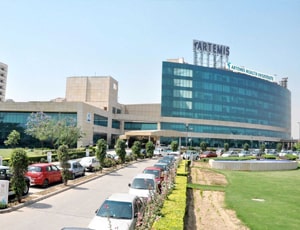
At Artemis Health Institute, Obsessive-Compulsive Disorder Treatment is provided through individualized mental health evaluation and evidence-based treatment planning. Established in 2007, the JCI, NABH accredited hospital in Gurgaon, India has 750 beds and offers comprehensive psychiatric and behavioral healthcare services.
Obsessive-Compulsive Disorder Treatment aims to reduce recurring unwanted thoughts and repetitive behaviors that interfere with everyday activities. Exposure and response prevention therapy helps patients gradually face anxiety-provoking thoughts or situations while learning to resist compulsive responses. Medication, particularly SSRIs, may be used alone or alongside psychotherapy depending on symptom severity. Treatment is generally monitored over time to evaluate progress and manage persistent symptoms.
Sunway Medical Centre provides specialized Obsessive-Compulsive Disorder Treatment with a focus on personalized psychiatric assessment, symptom management, and long-term behavioral health support. Established in 1999, the ACHS accredited hospital is located in Kuala Lumpur, Malaysia and operates 724 beds with modern psychiatry and psychological care facilities.
Obsessive-Compulsive Disorder Treatment is tailored according to the severity of obsessions, compulsions, functional impact, and individual treatment needs. Cognitive behavioral therapy, particularly exposure and response prevention, is a commonly used psychological treatment. Selective serotonin reuptake inhibitors may also be prescribed when clinically appropriate. Regular follow-up helps assess symptom improvement, treatment response, and the need for adjustments.
Medipol Bahçelievler Hospital provides specialized Obsessive-Compulsive Disorder Treatment with an emphasis on accurate psychiatric evaluation, individualized therapy, and sustainable symptom management. Established in 2022, the JCI accredited hospital is based in Istanbul, Turkey and has 441 beds supported by modern psychiatric and psychological care facilities.
Obsessive-Compulsive Disorder Treatment is developed after assessing the nature and severity of obsessive thoughts, compulsive behaviors, associated anxiety, and impact on daily life. Evidence-based psychotherapy, particularly exposure and response prevention, can help patients gradually change their response to obsessive fears. SSRIs are commonly used as medication treatment when indicated. For people who have not responded adequately to standard approaches, specialists may evaluate more intensive therapy or additional treatment options.
ParkCity Medical Centre offers dedicated Obsessive-Compulsive Disorder Treatment supported by experienced psychiatrists, psychologists, and specialized behavioral health professionals. Established in 2012, the JCI accredited hospital is situated in Kuala Lumpur, Malaysia and has 300 beds supporting comprehensive mental healthcare.
Obsessive-Compulsive Disorder Treatment varies according to the patient's symptoms, severity, and response to previous interventions. Cognitive behavioral therapy with exposure and response prevention is an important treatment approach that focuses on changing responses to obsessive thoughts and reducing compulsive behaviors. Antidepressant medicines such as SSRIs may also be recommended. In severe or treatment-resistant cases, specialists may consider additional medication strategies or other specialized interventions.
Choosing NPISTANBUL Brain Hospital for Obsessive-Compulsive Disorder Treatment gives patients access to specialist psychiatric assessment, structured psychotherapy, and coordinated follow-up care. Established in 2007, the JCI accredited hospital is located in Istanbul, Turkey and operates 160 beds with modern behavioral health infrastructure.
Obsessive-Compulsive Disorder Treatment focuses on reducing the frequency and intensity of obsessive thoughts and compulsive behaviors while improving daily functioning. Treatment may combine exposure and response prevention therapy with medication when appropriate. Patients may also receive education about OCD, coping strategies, and techniques for managing anxiety and triggers. Regular sessions allow the mental health team to monitor progress and gradually modify the treatment plan according to individual response.
Gleneagles Hospital Mumbai provides specialized Obsessive-Compulsive Disorder Treatment with an emphasis on accurate psychiatric evaluation, individualized therapy, and sustainable symptom management. Established in 1996, the JCI accredited hospital is based in Mumbai, India and has 450 beds supported by modern psychiatric and psychological care facilities.
Obsessive-Compulsive Disorder Treatment is developed after assessing the nature and severity of obsessive thoughts, compulsive behaviors, associated anxiety, and impact on daily life. Evidence-based psychotherapy, particularly exposure and response prevention, can help patients gradually change their response to obsessive fears. SSRIs are commonly used as medication treatment when indicated. For people who have not responded adequately to standard approaches, specialists may evaluate more intensive therapy or additional treatment options.
Subang Jaya Medical Centre offers dedicated Obsessive-Compulsive Disorder Treatment supported by experienced psychiatrists, psychologists, and specialized behavioral health professionals. Established in 1985, the JCI accredited hospital is situated in Kuala Lumpur, Malaysia and has 442 beds supporting comprehensive mental healthcare.
Obsessive-Compulsive Disorder Treatment varies according to the patient's symptoms, severity, and response to previous interventions. Cognitive behavioral therapy with exposure and response prevention is an important treatment approach that focuses on changing responses to obsessive thoughts and reducing compulsive behaviors. Antidepressant medicines such as SSRIs may also be recommended. In severe or treatment-resistant cases, specialists may consider additional medication strategies or other specialized interventions.
Dubai, United Arab Emirates
Zulekha Hospital Dubai provides specialized Obsessive-Compulsive Disorder Treatment with a focus on personalized psychiatric assessment, symptom management, and long-term behavioral health support. Established in 2004, the JCI accredited hospital is located in Dubai, United Arab Emirates and operates 179 beds with modern psychiatry and psychological care facilities.
Obsessive-Compulsive Disorder Treatment is tailored according to the severity of obsessions, compulsions, functional impact, and individual treatment needs. Cognitive behavioral therapy, particularly exposure and response prevention, is a commonly used psychological treatment. Selective serotonin reuptake inhibitors may also be prescribed when clinically appropriate. Regular follow-up helps assess symptom improvement, treatment response, and the need for adjustments.
At The London Clinic, Obsessive-Compulsive Disorder Treatment is provided through individualized mental health evaluation and evidence-based treatment planning. Established in , the JCI accredited hospital in London, United Kingdom has 234 beds and offers comprehensive psychiatric and behavioral healthcare services.
Obsessive-Compulsive Disorder Treatment aims to reduce recurring unwanted thoughts and repetitive behaviors that interfere with everyday activities. Exposure and response prevention therapy helps patients gradually face anxiety-provoking thoughts or situations while learning to resist compulsive responses. Medication, particularly SSRIs, may be used alone or alongside psychotherapy depending on symptom severity. Treatment is generally monitored over time to evaluate progress and manage persistent symptoms.
Choosing MindPlus Hospital Kalka for Obsessive-Compulsive Disorder Treatment gives patients access to specialist psychiatric assessment, structured psychotherapy, and coordinated follow-up care. Established in 2020s, the NABH accredited hospital is located in Kalka, India and operates beds with modern behavioral health infrastructure.
Obsessive-Compulsive Disorder Treatment focuses on reducing the frequency and intensity of obsessive thoughts and compulsive behaviors while improving daily functioning. Treatment may combine exposure and response prevention therapy with medication when appropriate. Patients may also receive education about OCD, coping strategies, and techniques for managing anxiety and triggers. Regular sessions allow the mental health team to monitor progress and gradually modify the treatment plan according to individual response.
Arab Medical Center provides specialized Obsessive-Compulsive Disorder Treatment with an emphasis on accurate psychiatric evaluation, individualized therapy, and sustainable symptom management. Established in 1997, the JCI accredited hospital is based in Amman, Jordan and has 243 beds supported by modern psychiatric and psychological care facilities.
Obsessive-Compulsive Disorder Treatment is developed after assessing the nature and severity of obsessive thoughts, compulsive behaviors, associated anxiety, and impact on daily life. Evidence-based psychotherapy, particularly exposure and response prevention, can help patients gradually change their response to obsessive fears. SSRIs are commonly used as medication treatment when indicated. For people who have not responded adequately to standard approaches, specialists may evaluate more intensive therapy or additional treatment options.
Ara Damansara Medical Centre provides specialized Obsessive-Compulsive Disorder Treatment with an emphasis on accurate psychiatric evaluation, individualized therapy, and sustainable symptom management. Established in 2012, the JCI, MSQH accredited hospital is based in Kuala Lumpur, Malaysia and has 220 beds supported by modern psychiatric and psychological care facilities.
Obsessive-Compulsive Disorder Treatment is developed after assessing the nature and severity of obsessive thoughts, compulsive behaviors, associated anxiety, and impact on daily life. Evidence-based psychotherapy, particularly exposure and response prevention, can help patients gradually change their response to obsessive fears. SSRIs are commonly used as medication treatment when indicated. For people who have not responded adequately to standard approaches, specialists may evaluate more intensive therapy or additional treatment options.
At Vinmec Hai Phong, Obsessive-Compulsive Disorder Treatment is provided through individualized mental health evaluation and evidence-based treatment planning. Established in 2018, the JCI accredited hospital in Ha noi, Vietnam has 200 beds and offers comprehensive psychiatric and behavioral healthcare services.
Obsessive-Compulsive Disorder Treatment aims to reduce recurring unwanted thoughts and repetitive behaviors that interfere with everyday activities. Exposure and response prevention therapy helps patients gradually face anxiety-provoking thoughts or situations while learning to resist compulsive responses. Medication, particularly SSRIs, may be used alone or alongside psychotherapy depending on symptom severity. Treatment is generally monitored over time to evaluate progress and manage persistent symptoms.