Browse verified doctors or let our care team help you find the doctor best suited to your condition, treatment goals, and budget.

Hospital Quironsalud Barcelona provides specialized Kasai Procedure with an emphasis on early intervention, restoration of bile drainage, and comprehensive pediatric liver management. Established in 1944, the JCI, ISO accredited hospital is based in Barcelona, Spain and has 165 beds supported by modern pediatric hepatology and surgical facilities.
Kasai Procedure is used to treat biliary atresia by creating a new route for bile to leave the liver. The operation involves removing the damaged bile duct structures outside the liver and attaching the intestine to the liver so bile can drain directly into the digestive tract. Before and after surgery, specialists closely assess liver function, jaundice, nutritional status, and growth. Antibiotics and other supportive treatments may be used after surgery when clinically indicated, while some children may need liver transplantation later if progressive liver disease develops.
Choosing Hospital Ruber International for Kasai Procedure gives patients access to specialized pediatric hepatobiliary surgery, modern diagnostic facilities, and coordinated long-term care. Established in 1982, the ISO accredited hospital is located in Madrid, Spain and operates 345 beds with advanced pediatric surgical infrastructure.
Kasai Procedure is a bile-drainage operation performed mainly for infants with biliary atresia. The surgeon removes the abnormal extrahepatic bile ducts and connects a segment of the small intestine directly to the liver, allowing bile to flow into the intestine without the normal bile duct pathway. The success of the procedure depends on several factors, including the age at surgery and the extent of liver damage. Some children may eventually require liver transplantation if adequate bile drainage cannot be maintained or liver disease progresses.
Jimenez Diaz Foundation University Hospital provides specialized Kasai Procedure with an emphasis on early intervention, restoration of bile drainage, and comprehensive pediatric liver management. Established in 1935, the ISO, JCI accredited hospital is based in Madrid, Spain and has 686 beds supported by modern pediatric hepatology and surgical facilities.
Kasai Procedure is used to treat biliary atresia by creating a new route for bile to leave the liver. The operation involves removing the damaged bile duct structures outside the liver and attaching the intestine to the liver so bile can drain directly into the digestive tract. Before and after surgery, specialists closely assess liver function, jaundice, nutritional status, and growth. Antibiotics and other supportive treatments may be used after surgery when clinically indicated, while some children may need liver transplantation later if progressive liver disease develops.
Quironsalud Marbella Hospital provides specialized Kasai Procedure with an emphasis on early intervention, restoration of bile drainage, and comprehensive pediatric liver management. Established in 1979, the ISO accredited hospital is based in Marbella, Spain and has 120 beds supported by modern pediatric hepatology and surgical facilities.
Kasai Procedure is used to treat biliary atresia by creating a new route for bile to leave the liver. The operation involves removing the damaged bile duct structures outside the liver and attaching the intestine to the liver so bile can drain directly into the digestive tract. Before and after surgery, specialists closely assess liver function, jaundice, nutritional status, and growth. Antibiotics and other supportive treatments may be used after surgery when clinically indicated, while some children may need liver transplantation later if progressive liver disease develops.
At University Hospital Quironsalud Madrid, Kasai Procedure is performed using specialized pediatric surgical techniques and multidisciplinary care for infants with biliary disorders. Established in 2006, the ISO, JCI accredited hospital in Madrid, Spain has 575 beds and provides comprehensive pediatric hepatology and surgical services.
Kasai Procedure is intended to establish bile flow in infants affected by biliary atresia. The surgeon removes the scarred or obstructed bile duct remnants and brings a loop of the small intestine up to the liver, allowing bile to drain directly into the intestine. Before surgery, the infant undergoes clinical assessment, blood tests, imaging, and other investigations to confirm the diagnosis and evaluate liver function. After the procedure, ongoing monitoring is needed for bile flow, nutrition, infection, and liver health.
At Dexeus University Hospital, Kasai Procedure is performed using specialized pediatric surgical techniques and multidisciplinary care for infants with biliary disorders. Established in 1973, the JCI accredited hospital in Barcelona, Spain has 200 beds and provides comprehensive pediatric hepatology and surgical services.
Kasai Procedure is intended to establish bile flow in infants affected by biliary atresia. The surgeon removes the scarred or obstructed bile duct remnants and brings a loop of the small intestine up to the liver, allowing bile to drain directly into the intestine. Before surgery, the infant undergoes clinical assessment, blood tests, imaging, and other investigations to confirm the diagnosis and evaluate liver function. After the procedure, ongoing monitoring is needed for bile flow, nutrition, infection, and liver health.
At Sagrat Cor University Hospital, Kasai Procedure is performed using specialized pediatric surgical techniques and multidisciplinary care for infants with biliary disorders. Established in 1970, the accredited hospital in Barcelona, Spain has 323 beds and provides comprehensive pediatric hepatology and surgical services.
Kasai Procedure is intended to establish bile flow in infants affected by biliary atresia. The surgeon removes the scarred or obstructed bile duct remnants and brings a loop of the small intestine up to the liver, allowing bile to drain directly into the intestine. Before surgery, the infant undergoes clinical assessment, blood tests, imaging, and other investigations to confirm the diagnosis and evaluate liver function. After the procedure, ongoing monitoring is needed for bile flow, nutrition, infection, and liver health.

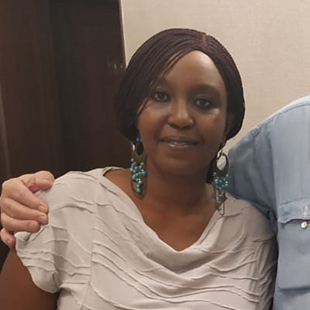
A 41 years old patient from Kenya underwent successful myomectomy procedure in India's leading Jaypee Hospital.

Ms. Fiona Whitecross decided to treat herself at Sri Ram Chandra Medical Center, Chennai. Dr. Radhakrishnan, one of the finest doctors for varicose veins in…
| Speciality | General Surgery |
| Procedure | Kasai Procedure |
| Success Rate | 80-95% |
| Recovery Time | 2-6 weeks |
| Treatment Time | 4-6 hours |
| Chances of Recurrence | 10-20% |
A Kasai procedure is also known as a hepatoportoenterostomy. It is a surgical intervention primarily used to treat a condition called biliary atresia in infants. Biliary atresia is a rare condition where the bile ducts that carry bile from the liver to the small intestine are either absent or blocked. This procedure is performed to bypass the drainage pathway for bile from the liver directly into the intestine. The procedure helps prevent the buildup of bile in the liver and reduces the risk of liver damage and cirrhosis.
The primary medical condition treated through a Kasai procedure is biliary atresia in infants. It is performed in cases where the condition is detected early, typically within the first few months of life.
Infants are closely monitored in the hospital following the procedure for complications, infection, and bile flow effectiveness. If the procedure is successful, the infant's jaundice may improve over time. Regular check-ups are required to monitor the liver's function and overall health. The Kasai procedure does not provide a cure for biliary atresia, but it can improve the quality of life and potentially delay the need for a transplant.
Hospitals for any type of procedure can be ranked on several deciding aspects. The following criteria can be used to classify hospitals for Kasai Procedures in Spain- Popularity of the procedure, Infrastructure, Availability of the treatment, Skilled Medical Professionals, Technology employed, Cost, Facilities Offered, and Success Rate.
Your health is a top priority for MediGence, and we make sure you get it effortlessly. We provide a set of unmatched services to assist you in your medical journey to different countries in the world. These caregiving services are airport transfers, accommodation, 24/7 assistance, Online consultation, Assigned Patient Coordinator, and Prebundled treatment packages with upto a 30% discount. There are many more advantages for you besides the aforementioned services.
Yes, you can avail a video consultation with the specialist before travelling to Spain. To schedule your online consultation with the specialist, you can reach one of our patient counselors. Our expert will cross-check with the specialist about his/her availability and send you a payment link for the confirmation of the appointment.
Spain is becoming a prime destination for many people across the world for Kasai Procedure because of high success rates and modern infrastructure. Other factors that make Spain the preferred option for Kasai Procedure include:
Depending on the patient's health and the complexity of the treatment, different procedures have different recovery times. Additionally, post-treatment rehabilitation is crucial for accelerating recovery and cutting down on recovery time. Following surgery, patients must return for follow-up appointments to ensure proper healing and hasten the healing process.