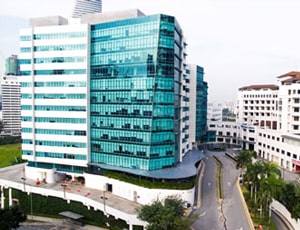
Kuala Lumpur, Malaysia
Number of Beds: 277
Year of Establishment: 2007
Medical Tourism Hospital of the Year 2024
Clinical Service Initiative of the Year 2024
Best in Community Involvement of the Year 2023
Brand of the Year in Healthcare of the Year 2023
Orthopaedic Service Provider of the Year 2023
Clinical Service Initiative of the Year 2023
Medical Tourism Hospital of the Year of the Year 2023
Top Children’s Hospital of the Year 2022
MRO Service Star of the Year 2022


Kuala Lumpur, Malaysia
Number of Beds: 724
Year of Establishment: 1999
Frost & Sullivan: 2024 Malaysian Hospital Market Leadership Award
College of American Pathologists (CAP) Accreditation
Healthcare Asia Awards 2024: Hospital of the Year (Malaysia)
Healthcare Asia Awards 2024: Health Promotion Initiative of the Year
Reader’s Digest Trusted Brand 2024
Newsweek World’s Best Hospitals 2024
World Stroke Organisation (WSO) Angels Awards 2023 - Gold Award (Q4)
World Stroke Organisation (WSO) Angels Awards 2023 - Gold Award (Q3)

2023, Best Specialized Hospital Asia Pacific – Endocrinology
2023, Best Specialized Hospital Asia Pacific – Cardiology
2022, GlobalHealth Asia Pacific Child Development and Paediatric Service Provider of the Year in Asia Pacific
2022, Frost & Sullivan – Malaysia Emerging Hospital Company of the year award
2022, Malaysian Healthcare Tourism Corporation (MHTC) Elite member (Jan 2022 - Dec 2022)
2022, Malaysian Society for Quality in Health (MSQH) - (2020-2024)
2019, Healthcare Infection Control Management Resources (HICMR)
2018, The Brand Laureate Best Brand – Brand leadership Award (2018-2019)

Kuala Lumpur, Malaysia
Number of Beds: 442
Year of Establishment: 1985
Healthcare Asia Awards 2024, Subang Jaya Medical Centre wins ESG Program of the Year
Frost & Sullivan, Subang Jaya Medical Centre wins Best Practices Award, Malaysian Best Hospital Company of the Year
GlobalHealth Asia-Pacific Awards, Subang Jaya Medical Centre wins Hospital of the Year in Asia-Pacific
GlobalHealth Asia-Pacific Awards, Subang Jaya Medical Centre wins Advanced Genetic Centre Provider of the Year in Asia-Pacific
GlobalHealth Asia-Pacific Awards, Subang Jaya Medical Centre wins Diabetes Service Provider of the Year in Asia-Pacific
GlobalHealth Asia-Pacific Awards, Subang Jaya Medical Centre wins Multi-Disciplinary Oncology Service Provider of the Year in Asia-Pacific
GlobalHealth Asia-Pacific Awards, Subang Jaya Medical Centre wins CSR Service of the Year in Asia-Pacific
GlobalHealth MedTech Awards, Subang Jaya Medical Centre wins the Excellence in Digital Health Innovation of the Year

Global Health Asia Pacific Awards 2023, Sports Rehabilitation and Physiotherapy Service Provider Of The Year In Asia Pacific
Newsweek Best Specialized Hospital APAC 2023, Paediatrics
Healthcare Asia Awards 2023, Vaccination Delivery of the Year - Malaysia
Malaysian Healthcare & Wellness Excellence Award 2023

Kuala Lumpur, Malaysia
Number of Beds: 171
Year of Establishment: 2016
Ask your healthcare adviser for the best multiple options and choose the one that meets your expectations

The Bentall procedure is a complex surgical procedure used to treat diseases affecting the aortic root and aortic valve. It involves the replacement of the aortic valve, aortic root, and ascending aorta with a composite graft. During the procedure, the damaged aortic valve and the weakened section of the aorta are removed. A mechanical or biological valve is then attached to a synthetic graft, which replaces the aortic root and ascending aorta. This surgery restores normal blood flow and prevents the risk of aortic dissection or rupture.
The Bentall procedure is primarily used to treat conditions such as aortic aneurysms, aortic regurgitation, aortic dissection, and certain cases of aortic valve stenosis. These conditions can lead to significant complications and pose a risk to the patient's life if left untreated.
The recovery process after a Bentall procedure involves a hospital stay of about one to two weeks, depending on the individual's condition and recovery progress. During the initial recovery period, patients are closely monitored in the intensive care unit (ICU). Pain management, physical therapy, and medication to prevent infection and blood clot formation are important aspects of the recovery process. Later on, patients are encouraged to engage in light physical activity. Long-term follow-up care includes regular check-ups, imaging tests, and lifestyle modifications.
It's a fact that while ranking a hospital, certain factors need to be considered. In Malaysia, Hospitals for Bentall Procedure are ranked on the basis of the following factors- Availability of the Procedure, Popularity of the procedure & hospital, Infrastructure, Pricing structure, Experienced Medical Professionals, Technology Employed, Facilities Available for the Patients & Visitors, Success Rate of the Hospital.
MediGence works incredibly diligently to ensure that you get the best possible medical travel experience that is also accessible and reasonable. We keep your health a priority and make sure you receive a hassle-free medical journey with some unmatched benefits & services. Some of the top caregiving services available include Hotel stays, Dedicated Case Coordinator, Recovery packages, Online Consultation, round-the-clock assistance, and customized packages with discounts of up to a 30%. Furthermore, we have alot more other benefits for you to recieve top-notch medical care.
Definitely Yes. You can get an expert medical opinion via online consultation before you decide to travel. When having a conversation with one of our patient advisors, you can ask them to book your video consultation with the specialist. Upon your request, our experts will check the doctor's availability, and send you the payment link to finalize the appointment.
Many people around the world consider Bentall Procedure in Malaysia to be trustworthy due to the high success rate and excellent hospital infrastructure. When it comes to Malaysia, many factors contribute to make Bentall Procedure the ideal choice. This includes:
The length of recovery after treatment is determined by the patient's overall health as well as the criticality of the treatment. The patient should make sure to take all rehabilitation sessions and follow postoperative care protocols, among other things, to reduce their recovery time. The patient is suggested to stay in close contact with their surgeon for a few months post-surgery to reduce their recovery time.