Rotator Cuff Tear Treatment in India
- Top Accredited Hospitals
- Global Medical Standards
- Cutting-Edge Technology
- Proven Treatment Options
- High Success Rate
- Trusted by Millions

What is a rotator Cuff Tear?
A rotator cuff tear is a common shoulder injury that causes discomfort, weakness, and decreased mobility by tearing one or more of the rotator cuff muscles' tendons. Age, excessive use, or an unexpected accident may bring it on. Depending on the severity of the tear, treatment options range from physical therapy to surgery.
What is the Importance of Timely Treatment?
The following are the benefits of early intervention:
- Prevents Tear Progression: Prompt treatment lowers the chance of total tendon rupture by preventing minor tears from growing larger.
- Prevents muscular degeneration: muscular atrophy might result from delayed treatment, making surgical restoration less successful or impossible.
- Reduces Stiffness and Chronic Pain: Prompt action improves quality of life by preventing shoulder mobility loss, weakness, and chronic pain.
- Enhanced Recovery and Function: Early physical therapy or surgical restoration improves shoulder strength and range of motion, which speeds up recovery.
- Prevents Arthritis and Joint Damage: Rotator cuff tears can result in cuff tear arthropathy or shoulder arthritis, which can cause irreversible joint damage if treatment is not received.
What are the Common Symptoms of Rotator Cuff disease?
- Chronic shoulder discomfort, particularly in raising the arm or at night
- weakness in the shoulder that is impacted
- Reaching upward or behind the back is difficult.
- Moving feelings of clicking or cracking
Causes and Risk Factors of Rotator Cuff Tears
Causes:
- Unexpected trauma (e.g., falls or carrying significant things),
- Ageing-related degeneration,
- Repetitive overhead tasks.
Risk Factors include
- Smoking,
- Having a history of shoulder injury,
- being older than forty, and using the shoulder often for work or sports.
Connect with our advisor for a PRIORITY response
Latest Research and Technologies in the Treatment of Rotator cuff’s disease in India
- India has embraced cutting-edge methods like arthroscopic double-row repair, bioinductive implants, and regenerative medicine for treating rotator cuff tears. Stryker has introduced the InSpace biodegradable subacromial balloon implant, promoting quicker recovery by providing a less intrusive alternative for extensive, irreversible rotator cuff injuries.
- Additionally, stem cell treatment and platelet-rich plasma (PRP) are being investigated for tendon regeneration and pain alleviation43.
- India offers high-quality, reasonably priced treatment alternatives with doctors who have received international training and advanced procedures.
Rotator cuff Tear Prevention Tips
These points to be considered to prevent rotator Cuff
- Use proper lifting techniques to reduce extra strain.
- By maintaining correct posture.
- Strengthen shoulder muscles with regular workouts to prevent rotator cuff rupture. Before beginning any activity, always warm up and stretch.
- You should also take pauses from repeated motions like lifting or throwing. Prevent tendon wear and strain by avoiding overuse and allowing enough rest.
Treatment options for Rotator Cuff Tear
Shoulder-tendon-repair-rotator-cuff: Reattaching damaged tendons to the head of the humerus (upper arm bone) is the goal of shoulder tendon repair surgery for rotator cuff tears. It is frequently carried out arthroscopically, with tiny incisions and a camera for accuracy. Surgeons may employ biologic implants such as the REGENETEN Bioinductive Implant, sutures, or anchors for better healing. Minimally invasive methods help decrease the chance of re-tears, enhance shoulder function, and shorten healing time.
Cost Start From USD 5000 - USD 5500Explore Options
The following are the diagnostic options for diagnosing the disease:
- Clinical assessment: Thorough physical examination includes range of motion, palpitation, and strength test.
- Imaging methods: For thorough visualisation of muscles and tendons, MRI or CT scans for tendon and muscle visualisation, ultrasound (to evaluate tendon mobility), and X-rays (to detect bone abnormalities) are used to identify rotator cuff injuries.
- Special examination: The Drop Arm Test and Jobe's Test are procedures used to assess the degree of tears.
- Range of motion treatment, progressive resistance training, and physical therapy emphasising strengthening and flexibility exercises are all part of rehabilitation.
- Pains are healed and reduced by electrical stimulation, heat/cold therapy, and ultrasound therapy. Recovery from post-surgery rehabilitation might take four to six months.
- In general, there is, as such, no medication for Rotator cuff tear. However, certain medications like NSAIDs and biological treatments include
- Stem cell treatment is being investigated for tendon regeneration in more advanced situations.
Instantly Connect with our Specialists


Hospitals for Rotator Cuff Tear in India
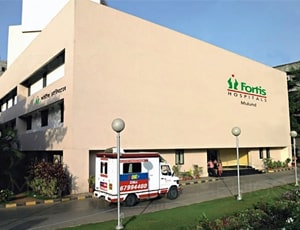
Fortis Hospital, Mulund
Mumbai, India
Fortis Hospital Mulund, located in Mulund West, Mumbai, is a premier healthcare facility providing excellence in multi-speciality healthcare for over 20 years. The global leader in advancing medical technology and clinical expertise, the hospital offers specialities including Cardiology, Neurosciences, Oncology, Transplants, and Orthopaedics. The hospital is well-known for being the largest transplant center in Maharashtra and offers advanced treatment options, including Transcatheter Aortic Valve Implantation (TAVI) and stereotactic precision radiotherapy for cancer. Fortis Mulund is equipped with a 24/7 Emergency Department and International Patient Unit to provide world-class patient-centric care.

Manipal Hospital, Hebbal
Bangalore, India
Manipal Hospitals, a group of Manipal Education Medical Group, is India’s leading multi-speciality network, comprising over 650 beds. Dedicated to clinical excellence, patient-centric care and ethical practices, it provides sophisticated diagnostics, surgery and home care services to both domestic and international patients, while also improving access to affordable healthcare for underprivileged communities.
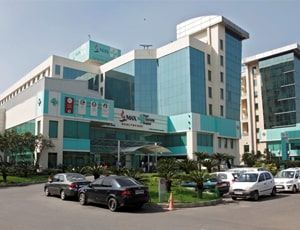
Max Super Speciality Hospital, Saket
Delhi, India
Max Smart Super Speciality Hospital, Saket, is a 250-bed tertiary care hospital awarded NABH accreditation, which provides advanced medical care in various specialities such as Cardiac Sciences, Orthopaedics, Neurology, Urology, Kidney Transplant, Paediatrics, and Obstetrics & Gynaecology. The hospital provides quality, safe, integrated, and patient-centric medical care using modular OTs, ICUs, Cath Labs, CT, MRI and Dialysis units.
Our Services to better your experience
Opinion & Option
We submit the most accurate opinion and options from one or more countries for your review
Consult Privately
Consult with a certified specialist privately on our telemedicine platform even before you decide to travel
Logistics
We handle flights, visas, transfers, and accommodation—so you can focus on your health.
Recovery
Our In-house rehabilitation service packages to better your recovery and treatment outcome
Why Choose India for Rotator Cuff Tear Treatment
There are several reasons to select India for Rotator Cuff Treatment
- Advanced Medical Facilities: India boasts top-notch hospitals with robotically assisted surgeries, minimally invasive arthroscopic procedures, and biologic implants like the InSpace Balloon and REGENETEN Bioinductive Implant.
- Highly Skilled Surgeons: Indian orthopaedic doctors have received extensive training worldwide, have rotator cuff repair experience, and complete hundreds of procedures yearly.
- Cost-Effective Treatment: India is a popular destination for medical tourism because it provides reasonably priced healthcare, with surgical prices 60–80% less than in Western nations.
- Accessibility of Cutting-Edge Therapies: New therapies such as tissue engineering, PRP (Platelet-Rich Plasma), and stem cell therapy are widely accessible and reasonably priced.
Frequently Asked Questions
Surgery is required for the rotor cuff tear when there is ongoing discomfort and loss of shoulder function. Additionally, it is advised for younger, energetic people who need complete shoulder strength as well as for acute traumatic rips from traumas. Open surgery, tendon transfers, or arthroscopic repair may be necessary for large rips (greater than 3 cm) or increasing symptoms.
If left untreated, rotator cuff injuries can deteriorate over time, causing stiffness, weakness, and persistent discomfort, making daily tasks challenging. The chances of healing may decrease if the rip gets bigger, resulting in muscle degeneration (fatty infiltration). It can cause severe joint damage over time, including shoulder arthritis (cuff tear arthropathy). The absence of care can also negatively influence the quality of life, hurting mobility, sports, and employment.
In India, rotator cuff tears are prevalent, especially in older people and those who perform repeated shoulder tasks. Research shows that as people age, the frequency of asymptomatic rotator cuff injuries rises, and many of these cases go undetected. Changes in lifestyle, increasing sports activity, and an ageing population all contribute to the rising number of instances.
Recovery mostly depends on the type and extent of tear treatment. While post-operative recovery takes 4-6 months and full function is restored in 9-12 months, non-surgical recovery with physiotherapy may take 3-6 months. Physical therapy and progressive strengthening exercises are part of rehabilitation for the best possible result.
Yes, advanced techniques for imaging like MRIs, ultrasounds, and X-rays can help with early detection. Early diagnosis is provided by several hospitals and diagnostic facilities throughout India, which aids in prompt intervention and improved results.
Before choosing hospitals in India, always look for the following:
- Hospitals with accreditation (JCI, NABH approved).
- Skilled orthopaedic surgeons specialising in sports injuries
- Success rates and patient reviews.
- Hospitals that assist patients from overseas for a seamless experience
In India, the success rate of treating rotator cuff tears varies according to the patient's age, the extent of the tear, and general health. Due to a lesser capacity for tendon healing, surgical repair has a high success rate of 88–95% for people under 50 and reduces to 43–65% for those over 60. Larger tears have a lower success rate (around 58.8%), while more minor tears have a better prognosis (up to 96.7% success). Delays in surgery, obesity, and diabetes can all have a detrimental effect on the result.
India boasts highly skilled sports medical professionals and orthopaedic surgeons trained in modern arthroscopic and minimally invasive procedures. Thousands of patients are successfully treated annually by several internationally trained doctors who provide high-quality, reasonably priced therapy.
Physical therapy is essential for rehabilitation, whether a rotator cuff injury is treated medically or non-surgically. Specific exercises help restore shoulder mobility, strength, and flexibility. Progressive treatment minimises the chance of re-injury, avoids stiffness, and lessens discomfort.

Reviewer
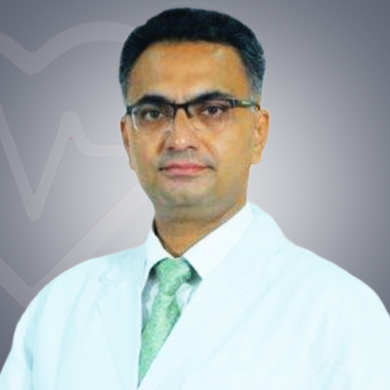
Dr. Puneet Mishra
Orthopaedic Surgeon
25 Years of Experience
Known among his patients for treating with compassion and personal care, Dr. Puneet Mishra is one of the best orthopedic surgeons in New Delhi. Dr. Puneet completed his MBBS from Maulana Azad Medical College in 1996 and from the same college he completed his MS (orthopedics) in 2000. With almost 25+ years of surgical experience under him, Dr. Pankaj takes pride in working with some of the finest medical institutions of the world such as University Hospital, Bern, Maulana Azad Medical College, New Delhi, Endoklinik, Germany, and Professor and Consultant orthopedician at Guru Teg Bahadur Hospital, New Delhi. View More
Last Reviewed - January 2026