Rhinitis Treatment in India
- Top Accredited Hospitals
- Global Medical Standards
- Cutting-Edge Technology
- Proven Treatment Options
- High Success Rate
- Trusted by Millions

What is Rhinitis?
A reaction that results in runny or stuffy noses, sneezing, and itching is called rhinitis. Inflammation is the primary cause of most forms of rhinitis, which manifest as symptoms in the mouth, ears, or eyes. Rhinitis comes in a variety of forms. The following are the most prevalent forms of rhinitis:
- Acute rhinitis is frequently brought on by a virus
- Year-round or seasonal allergic rhinitis
- Rhinitis that is not allergic
- When allergens in the air cause the nose and sinuses to release histamine, allergic rhinitis results. Histamine damages the delicate linings of the sinuses, eyelids, and nasal passages, causing swelling, itching, and fluid accumulation.
What is the Importance of Timely Treatment?
Whether allergic or non-allergic, prompt treatment of rhinitis is essential for a number of reasons:
- Chronic Sinusitis: Chronic sinusitis, a protracted inflammation of the sinuses, can result from untreated rhinitis
- Asthma: Asthma and allergic rhinitis are closely related. Asthma can be prevented from developing or getting worse with prompt treatment
- Sleep Quality: Because of nasal congestion and pain, rhinitis can seriously disrupt sleep. A successful course of treatment can enhance general wellbeing and the quality of sleep.
What are the Symptoms of Rhinitis
- Stuffy Nose: One of the main symptoms is nasal congestion
- Runny Nose: Rhinorrhea, or excessive nasal discharge
- Frequent occurrences of sneezing
- Itching: Eye, throat, or nasal itching
- Mucus dripping down the back of the throat is known as a postnasal drip
- Cough: Usually brought on by postnasal drip
- Red, watery eyes are particularly common in cases of allergic rhinitis
- Headache: Caused by congestion and sinus pressure.
Causes and Risk Factors
Causes
- Pollen: Commonly from trees, grasses, and weeds.
- Dust Mites: Tiny bugs that live in household dust.
- Animal Dander: Skin flakes from pets.
- Mold: Fungi that thrive in damp environments.
- Environmental Irritants: Smoke, strong odors, and pollution.
- Weather Changes: Sudden changes in temperature or humidity.
- Medications: Certain drugs like NSAIDs and some blood pressure medications.
- Foods and Odors: Spicy foods and strong smells.
- Infections: Viral infections like the common cold.
- Hormonal Changes: Pregnancy, menstruation, or hormonal imbalances.
- Stress: Emotional or physical stress can trigger symptoms.
Risk Factors
Some factors that may increase your risk of developing nonallergic rhinitis include:
- Inhaling various filthy air kinds. Tobacco smoke, smog, and exhaust fumes are some of the factors that can increase the chance of developing nonallergic rhinitis
- Being over the age of twenty. Nonallergic rhinitis typically affects adults aged 20 and up. Because of this, it differs from allergic rhinitis, which frequently strikes people under the age of 20
- Using nose drops or sprays for an extended period of time. Avoid using store-bought decongestant sprays or drops for longer than a few days. Symptoms such as a stuffy nose may worsen when the decongestant wears off. A common term for this is rebound congestion.
Connect with our advisor for a PRIORITY response
Rhinitis Prevention Tips
Take the following actions to reduce your symptoms and avoid flare-ups if you have nonallergic rhinitis:
- Recognise your triggers. Learn what triggers or exacerbates your symptoms. In this manner, you can avoid them. You can learn about your triggers from your healthcare professional
- Avoid using decongestant nose drops or sprays for extended periods of time. Your symptoms may worsen if you use these medications for longer than a few days at a time
- Seek effective treatment. Speak with your doctor if a medication you've tried doesn't work well enough. To avoid or lessen your symptoms, your treatment strategy might need to be adjusted.
Treatment options for Rhinitis
Nasal Polyp Surgery: The removal of a polyp, which is a growth inside an organ or cavity, is known as a polypectomy. Polyps may be benign or malignant and sometimes cause rhinitis. Your doctor may suggest polypectomy surgery. The most common method involves using an endoscope, a small tube with a light and camera, to visualize and remove the polyps. This is a minimally invasive procedure.
Cost Start From USD 2500 - USD 3500Explore Options
- Skin Test. Skin is tested for allergy: Tiny particles of common allergens present in the air are pierced into the skin. These consist of mould, pollen, dust mites, and dog and cat dander. An elevated bump where your skin was poked is likely to occur if you have an allergy to any of these. Your skin won't alter if you're not allergic
- Blood examination. A blood sample can be tested in a lab to determine whether you have an allergy. Higher amounts of proteins known as immunoglobulin E antibodies are detected by the lab. These may emit substances that trigger symptoms of allergies
- Nasal endoscopy. This test checks the sinuses with a thin tool that has a camera on the end. The tool is called an endoscope. The endoscope is passed through the nostrils to look inside the nose
- Computed tomography (CT) scan. This test uses X-rays to make images of the sinuses. The images are more detailed than those made by typical X-ray exams
MediRehab (chain of Rehab center) - part of MediGence provides comprehensive rehabilitation services designed to support arthritis patients in India. These services include:
- Nutritional Counseling: Diet plans to reduce inflammation.
- Personalized Therapy Plans: Individually tailored treatments for runny nose and headache management.
- Rehabilitation post septoplasty: physiotherapy sessions focused on restoring function and strength.
Antihistamines: These medications help reduce sneezing, itching, and runny nose. They are available in both oral and nasal spray forms.
Nasal Corticosteroids: These are effective in reducing inflammation and treating symptoms of rhinitis. They are usually available as nasal sprays.
Decongestants: These can help relieve nasal congestion but should be used with caution and not for extended periods.
Immunotherapy: For allergic rhinitis, allergy shots or sublingual tablets can help desensitize the immune system to specific allergens.
Instantly Connect with our Specialists


Hospitals for Rhinitis in India

Fortis Hospital, Mulund
Mumbai, India
Fortis Hospital Mulund, located in Mulund West, Mumbai, is a premier healthcare facility providing excellence in multi-speciality healthcare for over 20 years. The global leader in advancing medical technology and clinical expertise, the hospital offers specialities including Cardiology, Neurosciences, Oncology, Transplants, and Orthopaedics. The hospital is well-known for being the largest transplant center in Maharashtra and offers advanced treatment options, including Transcatheter Aortic Valve Implantation (TAVI) and stereotactic precision radiotherapy for cancer. Fortis Mulund is equipped with a 24/7 Emergency Department and International Patient Unit to provide world-class patient-centric care.

Fortis Memorial Research Institute
Gurgaon, India
Fortis Healthcare Limited stands as one of India's largest integrated healthcare providers, managing 33 hospitals across 11 states and operating more than 5,700 beds and 400 diagnostic labs. Four of our hospitals are accredited by JCI and 26 by NABH. With a workforce of over 12,500 healthcare professionals, we combine clinical excellence, a patient-focused approach, and innovation to provide high-quality, affordable, and compassionate healthcare to patients in India.
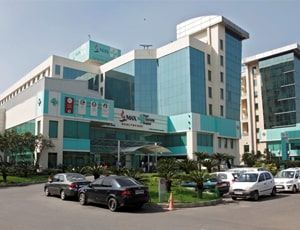
Max Super Speciality Hospital, Saket
Delhi, India
Max Smart Super Speciality Hospital, Saket, is a 250-bed tertiary care hospital awarded NABH accreditation, which provides advanced medical care in various specialities such as Cardiac Sciences, Orthopaedics, Neurology, Urology, Kidney Transplant, Paediatrics, and Obstetrics & Gynaecology. The hospital provides quality, safe, integrated, and patient-centric medical care using modular OTs, ICUs, Cath Labs, CT, MRI and Dialysis units.
Our Services to better your experience
Opinion & Option
We submit the most accurate opinion and options from one or more countries for your review
Consult Privately
Consult with a certified specialist privately on our telemedicine platform even before you decide to travel
Logistics
We handle flights, visas, transfers, and accommodation—so you can focus on your health.
Recovery
Our In-house rehabilitation service packages to better your recovery and treatment outcome
Why Choose India for Rhinitis Treatment?
Here are some of the reasons for choosing India:
- Due to advancements in medical facilities, such as minimally invasive surgical techniques and polypectomy.
- World-class experts include highly experienced doctors, JCI, and NABH-accredited healthcare institutions.
- Compared to other countries, treatment in Indian hospitals is cost-effective.
- Indian hospitals provide international patient services, including a multilingual support system.
- Improved treatment methods and biological therapies.
Frequently Asked Questions
Yes, Rhinitis can be treated effectively. The treatment approach depends on the type of Rhinitis. Options include from antihistamines medications to minimal invasive surgery polypectomy.
India has a number of experienced ENT specialists and surgeons who are well-versed in treating Rhinitis. In India, significant progress has been made in polypectomy surgery; minimally invasive techniques.
Yes, many Indian hospitals offer the following for Rhinitis treatment:
- Advanced diagnostic tools like MRI, CT scan, electromyography, and PET scan for accurate diagnoses.
- Skilled ENT physicians and therapists performing therapies.
- Comprehensive care and rehabilitation for long-term health benefit
- Always consider the following factors when selecting Indian hospitals:
- Hospitals that are accredited (authorised by JCI and NABH)
- Patient reviews and success rates
- Hospitals that provide seamless care to patients from abroad.
Of course! With the right care and management, the majority of rhinitis sufferers can lead normal, healthy lives. Here are some important things to think about:
- Effective Symptom Management: Antihistamines, nasal corticosteroids, and other prescription drugs can be used to effectively manage symptoms
- Avoiding Triggers: The frequency and intensity of flare-ups can be considerably decreased by recognising and staying away from allergens or irritants that cause symptoms
- Life Quality, Sleep and Daily Activities: Most people may sleep soundly and go about their daily lives without experiencing any difficulty if they receive the right care
- Exercise: Maintaining general health can help manage symptoms more effectively, and regular exercise is typically advised
- Preventive Actions: Keeping the nasal passageways wet and lowering indoor allergens are two benefits of using humidifiers and air purifiers at home.
If chronic rhinitis is not treated, it can result in a number of long-term consequences. Here are a few possible problems:
- Chronic Sinusitis: Chronic sinusitis is a long-term inflammation of the sinuses that can result from persistent inflammation
- Nasal Polyps: Noncancerous growths in the nasal passageways, nasal polyps can develop as a result of chronic inflammation
- Middle Ear Infections: Chronic nasal congestion raises the risk of middle ear infections by causing Eustachian tube dysfunction
- Sleep Disturbances: Because chronic rhinitis causes nasal congestion and pain, it can seriously reduce the quality of sleep, which can result in conditions like sleep apnoea
- Asthma: Asthma and allergic rhinitis are closely related. Rhinitis can either cause or worsen asthma symptoms if left untreated.

Reviewer

Dr. Vidit Tripathi
ENT Surgeon
24 Years of Experience
One of the finest ENT Surgeon in New Delhi, India, Dr. Vidit Tripathi, has worked with several world class multidisciplinary hospitals over the years. Dr. Vidit Tripathi has over 24+ years of experience in his field. The specialist treats and manages a wide range of conditions such as Goiter, Radiation Necrosis in Neck, Neck Injury, Perforates Eardrum View More
Last Reviewed - January 2026