Rheumatoid Arthritis of Spine Treatment in India
- Top Accredited Hospitals
- Global Medical Standards
- Cutting-Edge Technology
- Proven Treatment Options
- High Success Rate
- Trusted by Millions

What is Rheumatoid Arthritis of the Spine?
Chronic inflammation of the joints is called Rheumatoid Arthritis (RA). More damage to spine structures will bring about severe and life-threatening situations. Though RA strikes peripheral primary joints, which include areas such as hands and knees, it sometimes involves the cervical spine (upper neck of the spine). The lumbar and thoracic regions are less often implicated but sometimes impacted.
What is the Importance of Timely Treatment?
- Prevents Damage to the Joint: Early treatment will alleviate inflammation to prevent cartilage destruction in the spinal column and bone. These actions protect vertebrae from suffering damage and deformities on a long-term basis. Timely treatment helps preserve the health of the joints as well as their functionality.
- Maintains Mobility of the Spine: Pain Relief, reduced stiffness, and flexibility are benefits of effective treatment. Mobilisation of the spine improves independence, serviceability, and quality of life. It generally enables one to remain able-bodied and functioning to carry out independent activities.
- Avoids Nerve Compression and Instability: Cervical spine instability, nerve damage, and pressure on the spinal cord may all be caused by these diseases. Early treatment stabilises the spine, preventing brain dysfunction from happening later. It reduces the chance of acquiring permanent damage or disability
- Improves Treatment Outcome: Adequate control of symptoms of RA through medications (DMARDs and biologics) can be achieved through early onset of treatment. Besides the fact that it aids in slowing disease progression, it also makes treatments more effective. Better long-term outcomes are offered by early care
What are the Common Symptoms of Rheumatoid Arthritis of the Spine?
- Neck Pain
- Stiffness
- Reduced Range of Motion
- Swelling
- Pain Radiating to Other Areas
- Fatigue
- Headaches
- Instability in the Neck
Causes and Risk Factors of Rheumatoid Arthritis of the Spine
Causes
- Autoimmune Response
- Genetic Factors
- Infections
- Smoking
Risk Factors
- Age
- Gender
- Hormonal Factors
- Obesity
- Previous Joint Injury
- Other Autoimmune Disorders
Connect with our advisor for a PRIORITY response
Latest Research and Technologies in the Treatment of Rheumatoid Arthritis of the Spine in India
The medical treatment of Rheumatoid Arthritis of the Spine in India adapts the newest research and technologies to meet worldwide clinical standards and healthcare capabilities.
- Self-Actuating Drug Delivery System: An innovative self-actuating drug delivery system is designed to release drugs directly into the joints in response to inflammation. It administers a therapeutic agent only when necessary, offering a more effective localised approach. This may substantially improve the management of RA in the future.
- Stem Cell Therapy: In India, mesenchymal stem cell therapy is undergoing clinical trials for RA treatment. It was found that applying these cells led to improved symptom relief and tissue repair with standard immune modulation. Currently, several clinics in India have been offering this treatment for enhanced mobility and reduced inflammation.
- JAK Inhibitors are being used as a new drug for the management of arthralgia symptoms associated with RA in India. It will be an alternative therapeutic to traditional biologics methodologies available to control the inflammatory process and symptoms associated with RA. This oral medication may widen the therapeutic options available for RA patients.
- Advancements in Biologic Therapies: Different types of new biotherapeutics target specific cytokines. For instance, Acelyrin now advances its drug candidate through trials for psoriatic arthritis, but it is expected that there may be some benefit to patients with RA as well. These therapies represent a much better option for more precise treatment.
- Interneuron Crosstalk Research: Research on interneuron crosstalk promises to lead to new drug targets for RA. The study of how neural interactions influence inflammation in RA possibly leads to novel therapeutic interventions. Considering this cross-disciplinary approach, neurology has opened avenues for targeted interventions in RA.
Prevention Tips for Rheumatoid Arthritis of the Spine
- Maintain a Healthy Weight: Extra weight will strain the spine and joints more, causing inflammation. A healthy weight keeps stress off the spine, and so helps prevent or slow down the damage to the joints. Regular physical activity can help achieve and maintain a healthy weight.
- Quit Smoking: Smoking causes inflammation, which in turn suppresses the immune system, leading to RA. If RA is already present, symptoms will only worsen by smoking. To prevent or manage RA, it is essential to quit smoking.
- Participate in Regular Exercise: Practice exercises such as walking, swimming, and yoga that involve low impact. They can flex and strengthen the surrounding muscles of the spine.
- Maintain A Balanced Diet: Anti-inflammatory and omega-3 fatty acids plus antioxidants are the food categories required to help manage RA. Fruits, vegetables, and fish become the foundation for joints and inflammatory resolution.
- Early Diagnosis and Treatment: Correct advice is crucial when undergoing signs of joint pain or stiffness in diagnosing RA in an early stage. Disease-modifying drugs and biologics can slow down the progress of the disease and protect the spine against damage.
Treatment options for Rheumatoid Arthritis of Spine
The medical treatment for Rheumatoid Arthritis of the Spine requires evaluating the severity, neural involvement, and patient medical condition. The following are the treatment options:
Spinal fusion includes fusing or joining two or more vertebrae to stabilise the spine, relieve pain, and prevent damage. This procedure is generally warranted in patients with sufficient spinal instability, severe deformities, or nerve compression caused by RA.
Cost Start From USD 6500 - USD 9500Explore Options
These are the standard diagnostic methods for diagnosing Rheumatoid Arthritis of the Spine :
- Clinical Evaluation:
- Physical examination: The health professional assesses the patient's pain, stiffness, and range of motion, followed by a review of previously documented medical history to identify symptoms of RA and its possible effects on the spine.
- Blood test:
- Rheumatoid factor (RF): An antibody frequently present in cases of RA, although its presence can also be found in other conditions.
- Anti-cyclic-citrullinated peptide (anti-CCP): A specific test for RA that may indicate very early disease.
- Erythrocyte Sedimentation Rate (ESR) and C-reactive protein (CRP) are inflammation markers and elevated levels in active RA.
- Imaging Studies:
- X-ray: X-rays of the spine may demonstrate joint damage, erosion, joint space narrowing, and deformities in the vertebrae; however, they may not show the changes of early RA.
- Magnetic Resonance Imaging (MRI): This method obtains fine images of soft tissues like the spinal cord and intervertebral discs. It can show inflammation of the joints and the spine tissues and the destruction of the spinal structures.
- Computed Tomography (CT) Scan: CT can generate cross-sectional images of the spine to look for bone damage, narrowing of joint space, and other signs of RA.
- Ultrasound: Sometimes, ultrasound detects inflammation around the spine in the soft tissues or guides joint aspiration if needed.
MediRehab (a chain of Rehab centres, part of MediGence) provides comprehensive rehabilitation services designed to support patients in India. Additional services are as per the patient's requirement. These services include:
- Physical Therapy (PT): The physical therapist can work out an individualised exercise plan to strengthen the muscles around the spine, maintain good posture, and maintain flexibility.
- Occupational Therapy: Helping to modify activities of daily living so clients can work safely through recommendations for assistive devices or injury prevention techniques that minimise strain on their spines; also involves teaching proper body mechanics, providing splints, and using braces for neck or back support.
- Posture Training: Correct posture training is fundamental in reducing spinal stresses in RA patients. Posture training techniques consist more of alignment and risk reduction for deformities or excessive strain to affected areas of the spinal column.
- Aquatic Therapy: Pain-relieving and joint-unloading while enabling physical exercises to be performed with less effort are the main features of exercising in water. Thus, aquatic therapy is effective for mobility, strength, and endurance improvement, especially in patients with extensive spine involvement.
- Stretching and range of motion exercises: Stretching exercises should be gentle, safe, and directed toward improving flexibility and the range of motion for the end of the spine. This will help decrease stiffness and enhance function.
- Lifestyle Changes and Education: Educating patients on self-management strategies, weight management, ergonomics, and stress management. These strategies are intended to lessen the burden on the spine and prevent flare-ups from happening.
- Bracing and Splinting: Spinal braces may sometimes provide an individual with a certain amount of stability and reduced pain levels when spinal deformity or instability is present due to RA.
NSAIDs can reduce pain and inflammation, while DMARDs slow the progression of the disease and prevent joint damage. The biologics work by inhibiting the TNF or interleukin molecules responsible for inflammation.
Instantly Connect with our Specialists


Hospitals for Rheumatoid Arthritis of Spine in India
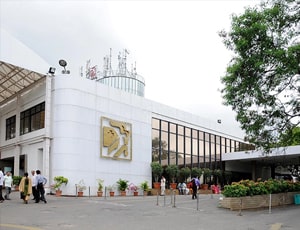
Apollo Hospitals
Hyderabad, India
Apollo Hospitals located in Hyderabad, India is accredited by JCI, NABH. Also listed below are some of the most prominent infrastructural details:
- A premier multi-specialty hospital with 477-bed capacity
- More than 50 specialties, super-specialties
- 12 Centers of Excellence
- The Institutes for Heart Diseases, Neurosciences, Cancer, Emergency, Orthopaedics, Renal Diseases, and Transplants
- Centers of Excellence are known for patient care, training and research
- Doctors with years of truly global experience in healthcare delivery

Star Hospitals
Hyderabad, India
Star Hospitals located in Hyderabad, India is accredited by NABH, NABL. Also listed below are some of the most prominent infrastructural details:
- The bed capacity of Star Hospitals, Hyderabad, India is 130.
- The hospital has Intensive Care Units which are upgraded with the latest technologies.
- International patient care services are applied to make the process of medical travel easier for international patients.
- Centres of Excellence across disciplines such as Cardiac Sciences, Renal Sciences, Critical Care, ENT, Spine Surgery etc.
- A radiology centre which has been digitised.
- There are Centers of Excellence for prominent specialties such as cardiac care and neurosciences, there are a total of six.

Sterling Wockhardt Hospital
Mumbai, India
Sterling Wockhardt Hospital located in Mumbai, India is accredited by NABH. Also listed below are some of the most prominent infrastructural details:
- The bed capacity of Sterling Wockhardt Hospital is 50.
- Critical care and complex cases resolution is done with excellent results.
- Emergency departments with 3 beds capacity and Intensive Care Unit with 10 beds capacity.
- The healthcare delivery focus of the hospital is both on prevention as well curing the conditions.
- Diagnostics are well developed with the latest technological developments.
- Pharmacy, operating rooms, lab services are at par with the best in the country.
- 24/7 ambulance services to cover healthcare requirements in Panvel and Vashi.
- Accommodation, airport transfers, flight bookings and translation services are all available for international patients.
Our Services to better your experience
Opinion & Option
We submit the most accurate opinion and options from one or more countries for your review
Consult Privately
Consult with a certified specialist privately on our telemedicine platform even before you decide to travel
Logistics
We handle flights, visas, transfers, and accommodation—so you can focus on your health.
Recovery
Our In-house rehabilitation service packages to better your recovery and treatment outcome
Why Choose India for Rheumatoid Arthritis of Spine Treatment?
- Effective Cost: The cost of medical treatment in India proves more economical than Western pricing yet remains equivalent to high-end treatment standards. The treatment path covers operative steps and follows all post-surgical phases.
- World-Class Infrastructure: The healthcare system in India operates multiple facilities accredited at the international level, which combine highly experienced orthopaedic surgeons who receive patients with complicated spine injuries, including Rheumatoid Arthritis of the Spine.
- Advanced Technology: Indian medical centres use state-of-the-art equipment and cutting-edge procedures for diagnosis and treatment, including minimally invasive surgical methods and robotic-assisted solutions.
- Skilled Specialists: Doctors specialising in orthopaedics and neurosurgery are in high numbers throughout India because Indian medical specialists possess international recognition for their outstanding spinal treatment capabilities.
- Language Support: Indian hospitals offer multilingual support to fulfil international patient needs by assisting in numerous country languages.
Frequently Asked Questions
Without treatment and management, RA will deform joints, destroy muscles, and collapse the spine. Early recognition and treatment are required to slow disease progression and prevent severe complications.
These therapies include:
- Medications for pain control, such as NSAIDs, DMARDs for disease progression, biologics, and JAK inhibitors target inflammation.
- Physical therapy for the spine consists of strengthening and flexibility exercises.
- Occupational therapy helps find ways to lessen the burden on the spine while being engaged in daily activities.
- Surgical intervention: In extremely severe cases, surgical procedures to stabilise the spine and relieve pressure on the nerves may include fusion of the spine.
Exercise is beneficial in the management of RA of the spine. This involves strengthening muscles supporting the spine, improving flexibility, and reducing stiffness. This usually includes swimming, walking, and low-intensity stretching
There isn't a cure for RA, with the arthritic rheumatism of the spine. However, with early intervention, proper treatment, and continuous management, the symptoms can be attenuated, and the course may also be prolonged.
RA can affect the cervical spine (neck) as well. This means that the other joints between the vertebrae can get inflamed, which may lead to neck pain and stiffness and later cause a problem with turning the head; eventually, as the disease progresses, it may compress the nerve and cause weakness or tingling in the arms.
Yes, untreated RA over some time could produce destruction of joint deformities and also lead to spinal instability. This may include conditions such as cervical subluxation in the neck, where the vertebrae move out of their normal position and may only affect certain functions of the nerves.
Pain management consists of:
- Medications: Pain relievers, NSAIDs, and disease-modifying drugs.
- Physical therapy: Methods to improve function and reduce stiffness.
- Heat and cold treatment: Targeted at reducing muscle tension and inflammation.
- TENS therapy: It's a non-invasive treatment that relieves pain via electrical impulses.
- Weight management: Weight should be reduced to take the stress off the spine.
- Regular low-impact exercise: good for flexibility and strength.
- Ergonomic changes: Adjust your work or sleeping environment to reduce stress on your spine.
- Diet: Anti-inflammatory, omega-3 fatty acids and antioxidants may help control inflammation-related damage.
Please see a physician if you have persistent back pain, neck pain, or any other associated symptoms, such as numbness or weakness in your limbs. Early diagnosis and treatment may stop the condition's progression and offer a better lifestyle.
The climate in India, especially in hot and humid places, can aggravate symptoms of rheumatoid arthritis. The main thing in this regard is the joints' high humidity and heat-induced swelling. On the other hand, cool, dry conditions may offer relief to such people. Healthy individuals should monitor what the weather does to their bodies and plan accordingly, such as avoiding too much heat or staying warm in cold weather seasons.
A rheumatologist is a doctor who specialises in autoimmune diseases such as rheumatoid arthritis. If the spine has enough symptoms, you may see an orthopaedic surgeon or neurosurgeon, particularly for suspected spinal instability or nerve compression cases.

Reviewer

Dr Sonal Gupta
Neurosurgeon
29 Years of Experience
Dr. Sonal Gupta has an experienced neurosurgeon with more than 29+ years of clinical expertise. She is currently the Director, Neuro & Spine Surgery at Fortis Hospital, Shalimar Bagh. Before joining Fortis, she has been associated with various organizations such as Maharaja Agrasen Hospital, Action Balaji Hospital, and Max Hospital. View More
Last Reviewed - January 2026