Lumbar Spinal Stenosis Treatment in Turkey
- Top Accredited Hospitals
- Global Medical Standards
- Cutting-Edge Technology
- Proven Treatment Options
- High Success Rate
- Trusted by Millions

What is Lumbar Spinal Stenosis?
The spaces of the spine are said to narrow in conditions called lumbar spinal stenosis, where pressure is applied to the spinal cord and nerves. Typically occurring in the lower back (lumbar region), the condition produces pain, numbness, tingling, or weakness in the legs and lower back. Ageing is a common factor, presenting degenerative changes such as disc herniation or spurs in the spine.
What is the Importance of Timely Treatment?
Prevents Nerve Damage
Early treatment can alleviate spinal cord and nerve pressure. If the nerve compression persists, chronicity can set in with permanent damage to the nerve, weakening the particular nerve in the long term, causing numbness, weakness, or even complete loss of function in the limb.
Reduces Chronic Pain
Prompt intervention prevents the spinal stenosis pain from becoming chronic and disabling. When untreated, gradual milestones of increased intensity and frequency of pain due to spinal stenosis compromises an individual's ability to perform daily activities.
Better Mobility and Function
The earlier one gets treated for spinal stenosis, the better his or her chances to maintain or regain the ability to walk, stand, and move freely. This could prevent some cases from going forward to surgery altogether.
Prevents Disability
Immediate management may prevent extreme situations of weakness, complete muscle wasting, or paralysis. Untreated lumbar spinal stenosis can lead to permanent weakness and impairment of function in the lower extremities, drastically affecting the ability to walk or even perform everyday functions.
Lessens Surgical Recommendations
This lessens the chances of needing surgical intervention by prolonging and minimising incursion through surgical procedures for recovery.
What are the Common Symptoms of Lumbar Spinal Stenosis?
- Lower Back Pain
- Radiating Leg Pain (Sciatica)
- Numbness and Tingling
- Weakness in the Legs
- Pain Relief When Bending Forward or Sitting
- Balance Problems
- Reduced Reflexes
- Loss of Bladder or Bowel Control (in severe cases)
Causes and Risk Factors of Lumbar Spinal Stenosis
Causes
- Ageing
- Disc Degeneration
- Osteoarthritis
- Thickening of LigamentsHerniated Discs
- Spinal Injuries or Trauma
- Spinal Tumors
- Congenital Conditions
- Spondylolisthesis
- Bone Diseases
Risk Factors
- Age
- Genetics
- Gender
- Occupational and Lifestyle Factors
- Obesity
- Previous Spinal Injuries
Connect with our advisor for a PRIORITY response
Latest Research and Technologies in the Treatment of Lumbar Spinal Stenosis in Turkey
Turkey has established itself as a destination for lumbar spinal stenosis surgery, where its practice is further augmented by novel technologies and innovative research affecting the patient's care. Endoscopic surgeries allow other minimally invasive surgical options that shorten the recovery timeframe and reduce postoperative pain. Regenerative treatments such as stem cell therapy and Platelet-Rich Plasma (PRP) injections aim to repair tissues and relieve pain without even surgery, thus conspicuously underpinning their use.
Lumbar Spinal Stenosis Prevention Tips
Correct Your Posture
The proper alignment of the body helps alleviate stress on the spine. Sit, stand, and lie down according to the standards of proper ergonomics, and don't slouch during prolonged activities.
Engage in Regular Exercise
Exercises to strengthen core muscles and increase flexibility, such as yoga, swimming, and walking, help to protect the spine from stiffness and pain.
Maintain Ideal Body Weight
Excess weight, especially around the abdomen, causes extra stress on the lower back. Maintaining an ideal body weight will help decrease stress on the spine and decrease the risk of stenosis.
Utilise the Correct Lifting Technique
Always lift with your legs and not your back to avoid stressing the spine. Carry heavy objects close to your body, bending your knees to reduce stress on the lumbar region.
Don't smoke
Smoking decreases circulation to spinal tissues and hastens disc degeneration. Quitting will help protect against disorders affecting spinal health in stenosis.
Treatment options for Lumbar Spinal Stenosis
The medical treatment for Lumbar Spinal Stenosis requires evaluating the severity, neural involvement, and patient medical condition. The following are the treatment options:
Spinal decompression describes a gentle traction-based, non-surgical method for alleviating pressure on the spinal cord or nerve; it may involve using a traction machine or simply being hands-on.
Minimally invasive surgery is performed for certain spinal conditions using a small camera and specialised tools to enable the surgeon's removal of bone spurs or herniated discs with minimal disruption to surrounding tissues.
Laminectomy involves the surgical removal of the lamina (part of the vertebra) to enlarge the spinal canal and relieve the compression of the nerve.
Cost Start From USD 7965 - USD 9735Explore Options
Spinal fusion is a type of surgery that joins two or more vertebrae to stabilise the spine and reduce movement, causing pain.
Cost Start From USD 10000 - USD 22000Explore Options
These are the standard diagnostic methods for diagnosing Lumbar Spinal Stenosis :
Clinical Evaluation
- Physical examination: A physician queries his history and performs a clinical examination in search of muscle weakness, abnormal reflexes, or even restriction of movement ranges.
- Symptom review: The doctor may ask about symptoms like back pain, leg pain, numbness, or weakness to facilitate the exclusion of lumbar stenosis from other conditions.
Imaging Studies
- X-rays: X-rays are often the first step toward diagnosing lumbar spinal stenosis. Apart from being able to visualise the nerve compression directly, X-rays show other changes in the spine, such as bone spurs, disc degeneration, and misalignment, all of which suggest stenosis.
- Magnetic Resonance Imaging (MRI): This diagnostic procedure gives very detailed images of soft tissues, including spinal cords, nerve roots, discs, and ligaments, allowing the doctors to estimate how severe the nerve compression is.
- CT Myelography: This includes the injection of dye into the spinal fluid to improve the spinal cord and nerve root imaging.
- Electromyography (EMG): It assesses the functioning efficiency of the nerve roots and determines whether symptoms result from lumbar spinal stenosis.
MediRehab (a chain of Rehab centres, part of MediGence) provides comprehensive rehabilitation services to support patients through Teleconsulations and online therapy sessions.
- It strengthens the core and aims for lower back, hip, and leg flexibility. Postural training can also alleviate stress on the spine and help reduce stenosis symptoms.
- The non-invasive therapy method in spinal decompression involves gentle distraction of the vertebrae to draw pressure off an intra-vertebral disc and nerve. This procedure treats pain and improves mobility in patients suffering from stenosis.
- Training in ergonomics and lifestyle alterations may include suggestions regarding workstation set-up and modifications of certain activities. Even minor adjustments in one's sitting position may help reduce stress on the spine and alleviate discomfort.
- Yoga and pilates aim to strengthen core muscles and create flexibility in the spine. They also aid in postural correction, which is essential for treating the symptoms of lumbar stenosis.
The main medications for Lumbar Spinal Stenosis are pain medications: NSAIDs, muscle relaxants, and anticonvulsants to control nerve pain and chronic discomfort.
Instantly Connect with our Specialists


Hospitals for Lumbar Spinal Stenosis in Turkey

Acibadem Altunizade Hospital
Istanbul, Turkey
Acibadem Altunizade Hospital located in Istanbul, Turkey is accredited by JCI. Also listed below are some of the most prominent infrastructural details:
- The indoor area of Acibadem Hastanesi - Altunizade, Istanbul, Turkey is one of the largest at 98,000 square meters.
- There are 550 beds and as many parking spots.
- 75 of the beds are in the intensive care unit.
- A hybrid operating room which has 3 diagnostic units at one location which is an amazing concept as at one time surgeries can be performed in 3 operating theatres.
- International patients are serviced well through a particular center for them where services related to therapy and diagnostics are done.
- Healthcare delivery in this part of the hospital can be availed in 16 different languages.
- Robotic Surgery and Cell Therapy Unit are representative of the high standards of technology present in the hospital.

Acibadem University Hospital Atakent
Istanbul, Turkey
Acibadem University Hospital Atakent located in Istanbul, Turkey is accredited by JCI. Also listed below are some of the most prominent infrastructural details:
- Spread over an area of 60,000 square meters
- It has 300 wards with 8 operating rooms
- It has an inpatient treatment capacity of 278
- Intensive care unit bed capacity is of 29 beds
- The healthcare organisation has several kinds of infrastructure for services such as free parking, cafeteria, Wi-Fi, hairdressing salon, ATM, ergonomic hospital beds, and prayer rooms.
- The hospital has both standard single rooms and double rooms (24 in number) for the patients.
- The hospital wards are also equipped with metal handrails, emergency cords, and call buttons for patients with mobility issues.
- The latest medical technology is present here to treat patients such as MR-LINAC linear accelerator, The da Vinci robot, and TrueBeam Linear Accelerator.
- The diagnostic department of the hospital has the following equipments:
- MRI 3 Tesla
- Full-body MRI
- Spect CT
- Flash-CT
- Ductoscopy (early diagnosis of breast duct cancer)
- DSA digital angiography
- Endoultrasonography (EUS)
- Ultrasonic echography

Acibadem International Hospital
Istanbul, Turkey
Acibadem International Hospital located in Istanbul, Turkey is accredited by JCI. Also listed below are some of the most prominent infrastructural details:
- The Acibadem International Hospital is spread over an indoor area of atleast 19,000 square meters.
- It comprises as many as 122 beds which also means there are intensive care beds (26) with observation beds (16).
- Medical technologies are present such as Whole Body MR, DSA Digital Angiography, EUS (Endoultrasonography), and Ultrasonography.
- Additional services like Heliport, Prayer Room, Cafeteria, ATM within premises etc. can also be availed.
- Patients can choose from either a standard room or a suite during their hospital stay.
Our Services to better your experience
Opinion & Option
We submit the most accurate opinion and options from one or more countries for your review
Consult Privately
Consult with a certified specialist privately on our telemedicine platform even before you decide to travel
Logistics
We handle flights, visas, transfers, and accommodation—so you can focus on your health.
Recovery
Our In-house rehabilitation service packages to better your recovery and treatment outcome
Why Choose Turkey for Lumbar Spinal Stenosis Treatment?
State-of-the-Art Medical Facilities
Turkish hospitals are equipped with the latest technologies, including robotic surgical systems and neuronavigation tools, ensuring high precision in spinal procedures.
Highly Skilled Specialists
The country has a cadre of experienced neurosurgeons and orthopedic surgeons, many of whom are internationally trained, who specialise in spinal disorders and provide varying combinations of surgical and conservative approaches according to patients' needs.
Cost-Effective Treatment
Patients can obtain an equivalent treatment with much better quality at lower costs in Turkey, making it a favorable destination for economical spinal stenosis treatment.
Comprehensive Patient Services
Hospitals offer holistic care packages from pre-operative assessment and individualised treatment planning to rehabilitation after surgery, consisting of everything needed for a seamless healthcare experience for their international patients.
Cultural Experience
Besides the medical, Turkey offers an elaborate cultural heritage and abundant tourist attractions so that the patient can turn their treatment into an enriching journey with their family.
Frequently Asked Questions
Not at all times. Numerous people heal their symptoms using non-surgical treatments such as physical therapy, medication, and lifestyle modification. Surgery is kept reserved for severe symptoms that fail to be relieved by conservative measures.
Keeping a healthy weight, adopting proper postures, performing regular exercises, and avoiding smoking reduce the risk of or slow down the progression of lumbar spinal stenosis, even if it is not always avoidable.
Recovery time varies with the type of procedure, but most patients eventually resume their normal activities after 3 to 6 months of surgery. Physical therapy is essential in regaining strength and flexibility.
They can, however, cause chronic pain and nerve damage in very severe cases of lumbar spinal stenosis that may result in permanent disability if left untreated. Early diagnosis and treatment can also be beneficial in avoiding long-term consequences.
Regular exercises in low-impact forms, keeping a healthy weight, practising ergonomic techniques, and avoiding long periods of sitting or standing can help manage symptoms and prevent further worsening of the condition.
Recovery time varies according to the procedure and other factors of the patient individually; generally, recovery ranges from weeks up to months.
Yes, quite a few of the Turkish hospitals hold international accreditations. The accreditation is a guarantee that international healthcare standards are being followed.
Hospitals usually have dedicated international patient departments that can assist with travel arrangements, language interpretation, and personalised care plans.

Reviewer
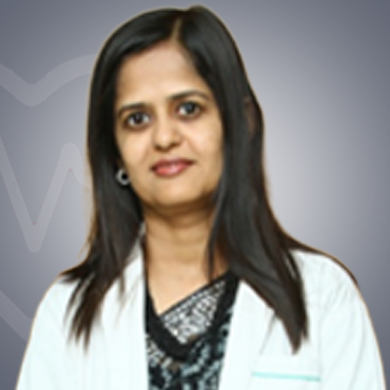
Dr Sonal Gupta
Neurosurgeon
29 Years of Experience
Dr. Sonal Gupta has an experienced neurosurgeon with more than 29+ years of clinical expertise. She is currently the Director, Neuro & Spine Surgery at Fortis Hospital, Shalimar Bagh. Before joining Fortis, she has been associated with various organizations such as Maharaja Agrasen Hospital, Action Balaji Hospital, and Max Hospital. View More
Last Reviewed - January 2026