Kyphosis Treatment in Malaysia
- Top Accredited Hospitals
- Global Medical Standards
- Cutting-Edge Technology
- Proven Treatment Options
- High Success Rate
- Trusted by Millions

What is Kyphosis?
Kyphosis is a condition that causes the spine to bend excessively forward and take on an abnormal curvature. It is commonly seen in the thoracic spine but can also affect other parts of the spine. An exaggerated anterior convexity will result in a rounded or hunchback appearance. There are also degrees of kyphosis that may occur from childhood or adult manifestations.
What is the Importance of Timely Treatment?
Prevents Further Deformation
Kyphosis, if untreated, can progressively worsen with an associated increase in spinal curvature over time. Early treatment can minimise the risk of further spine deformity and lessen the condition's progression.
Reduces Pain and Discomfort
Kyphosis usually inflicts more significant back pain, stiffness, and muscle fatigue. Early intervention of the condition utilising physiotherapy, braces, or other treatments should relieve pain and restore good mobility and comfort volume.
Prevention of Complications
The serious complications that lie behind extreme kyphosis could be respiratory difficulties or heart problems in borderline situations. Timely treatment will prevent complications and improve general health and quality of life.
Improves Posture and Quality of Life
Appropriate treatment at an early stage will help correct the postural deformities, enabling the person to maintain a good posture and enhancing their self-esteem, social interaction, and physical functioning.
Avoids Surgical Intervention
In some extreme cases of kyphosis with untreated severe curvature, surgery may become necessary. Early and conservative treatment in physical therapy or braces will help avoid surgery and its associated risks.
What are the Common Symptoms of Kyphosis?
- Hunched or Rounded Back
- Back Pain
- Fatigue and Muscle Weakness
- Decreased Flexibility
- Breathing Difficulty (in Severe Cases)
- Neurological Symptoms (in Severe Cases)
- Postural Changes
Causes and Risk Factors of Kyphosis
Causes
- Postural Kyphosis (Poor Posture)
- Scheuermann's Kyphosis
- Degenerative Kyphosis (Age-Related)
- Spinal Fractures
- Congenital Kyphosis
- Infections and Tumors
- Neuromuscular Conditions
Risk Factors
- Age
- Gender
- Family History
- Poor Posture
- Osteoporosis
- Injury or Trauma
- Conditions like rheumatoid arthritis, muscular dystrophy, or cerebral palsy
Connect with our advisor for a PRIORITY response
Latest Research and Technologies in the Treatment of Kyphosis in Malaysia
Malaysia best provides kyphosis treatment via sophisticated imaging such as 3d spinal reconstruction and EOS imaging for precise diagnosis and surgical planning. The newest minimally invasive techniques, such as vertebral column resection and spinal osteotomy, are increasingly used for complicated deformities. Individualised spinal implants and rods, usually designed through 3D printing, ensure precision and patient satisfaction. Conservative methods include dynamic bracing systems and AI-guided posture correction therapy. Robotic surgeries and intraoperative neuromonitoring are the norm in top hospitals, ensuring safety and precision.
Kyphosis Prevention Tips
- Good posture means having a straight back when sitting or standing. Avoid any kind of slumping or hunching so that postural kyphosis doesn't set in.
- Sufficient calcium and vitamin D contribute to maintaining bone strength and reduce the risks of osteoporotic changes, which otherwise will increase the chances of developing kyphosis.
- Take a break at least once every 30 minutes to stand and stretch to relieve pressure from sitting too long.
- Use safety gear when exercising and make your home fall-proof to avoid spinal injury.
- Practice walking to increase bone density and lower the risk of developing kyphosis.
Treatment options for Kyphosis
The medical treatment for Kyphosis requires evaluating the severity, neural involvement, and the patient's medical condition. The following are the treatment options:
Kyphoplasty : The treatment inserts acrylic bone cement into the vertebra to restore height and relieve pain. It's best suited for vertebral compression fractures that trigger kyphosis.
Cost Start From USD 4500 - USD 7500Explore Options
Vertebroplasty: The treatment is similar to kyphoplasty and is rarely performed for these fractures. This procedure stabilises the fracture by injecting cement into the affected vertebrae.
Spinal fusion surgery will be recommended in more severe situations with debilitating pain, gross deformity of the spine, or some neurological impairment. By fusing two or more vertebrae, the operation enables stabilisation of the spine and correction of the curvature.
Cost Start From USD 12000 - USD 17000Explore Options
Osteotomy : The situation may arise when surgical intervention for osteotomy is required for a serious problem of severe curvature, mainly when other treatments have not achieved satisfactory results. A spinal fusion for stabilisation then follows.
Cost Start From USD 5000 - USD 15000Explore Options
These are the standard diagnostic methods for diagnosing Kyphosis :
Clinical Evaluation
- History and Symptoms: During the assessment, the physician needs information about the previous surgical procedure and symptoms of back pain, numbness, and weakness to determine whether the spinal cord is involved.
- Physical examination: The doctor will assess the patient for posture and curvature of the spine, looking for any evidence of deformity. They will look for any signs of pain or tenderness upon palpation of the spine, especially at the thoracic (middle back) region.
Imaging Studies
- X-ray: X-rays are the main form of diagnosing the degree of spinal curvature. These images allow the clinician to measure the degree of curvature and assess for any structural deviations in the vertebrae, such as fractures or degenerative changes.
- MRI Scan: MRI evaluates the spine and adjacent parts, soft tissues like discs, nerves, and the spinal cord. It helps find the etiological factors of kyphosis, such as spinal cord compression, disc degeneration, or nerve involvement.
- CT Scan: CT scan appears to be a more advanced study than X-ray; axial skeletal disorders contributing to kyphosis are sought from fracture detection, irregularities in the bone, and other pathological changes. It is always done whenever a complete view of the bony structure is needed.
- Bone Density Test: A DEXA scan (dual-energy X-ray absorptiometry test) is carried out to assess the subject's bone density to diagnose conditions like osteoporosis that could contribute to vertebral compression fractures that bring about kyphosis.
Neurological Evaluation
- In the presence of neurological symptoms such as numbness and weakness or radiating pain in the legs attributable to kyphosis, a neurological evaluation may be warranted to screen for nerve compression due to gross abnormal curvature of the spine.
MediRehab (a chain of Rehab centres, part of MediGence) provides comprehensive rehabilitation services to support patients through teleconsultations and online therapy sessions.
Muscle training
It involves strengthening the back, core, and upper limb muscles to improve posture. Physical therapy consists of exercises designed to relieve pain, improve flexibility, and align the spinal column with targeted exercises.
Postural Exercises
Postural exercises teach proper body alignment during daily activities. This can help prevent the progression of spinal deformity and reduce any kyphosis-related pain.
Stretching and Flexibility
These exercises have specific benefits for the thoracic spine because they help to alleviate stiffness. Therefore, regular stretching will improve flexibility, mobility, and comfort, particularly in kyphosis patients.
Bracing
A customised brace supports and prevents additional curvature for mild to moderate cases of kyphosis. It is frequently given as an approach for children who have Scheuermann's kyphosis or as one part of a multistage rehabilitation plan.
Increasing Strength and Pain Management
Strengthening exercises may be pilates or weight training around the spine. Pain management techniques include mechanisms such as heat therapy, sleep or TENS to reduce the discomfort associated with surgery rehabilitation.
Instantly Connect with our Specialists


Hospitals for Kyphosis in Malaysia
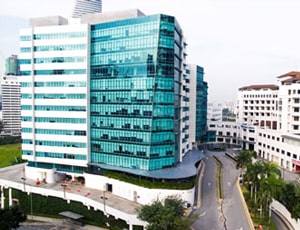
Parkway Pantai
Kuala Lumpur, Malaysia
Parkway Pantai located in Kuala Lumpur, Malaysia is accredited by JCI. Also listed below are some of the most prominent infrastructural details:
- Capacity of 335 beds
- 200+ specialist Doctors
- Critical Care Unit
- Neonatal Intensive Care Unit
- Operating Theatre
- International Patient Care Center
- Types of rooms available- Premier Suite, Supreme Suite, Deluxe Single Room, 2-bedded room, 4-bedded room, Deluxe Suite, Premier Single room, and Supreme Single room

Beverly Wilshire Medical Centre
Kuala Lumpur, Malaysia
Apart from in-detail treatment procedures available, Beverly Wilshire Medical Centre located in Kuala Lumpur, Malaysia has a wide variety of facilities available for International Patients. Some of the facilities which are provided by them are Accommodation, Airport Transfer, Choice of Meals, Interpreter, SIM, TV inside room. Also listed below are some of the most prominent infrastructural details:
- Both surgical as well as non surgical treatments are provided by the doctors in Beverly Wilshire Medical Group, Kuala Lumpur, Malaysia.
- The latest techniques and equipment are used for performing these procedures.
- Some non-surgical procedures:
- Chemical therapies
- Botox injections
- Laser therapies
- Filler treatment
- Steroid injections
- Chemical, mechanical, and injectable rejuvenation of skin
- Fractional laser resurfacing treatment
- Non-surgical hair restoration.
- Some Surgical treatments:
- Tummy tuck surgery
- Body lift surgery
- Scar revision surgery
- Wellness facilities available with Chiropractic, Physiotherapy, Medi-Spa, Reflexology.

Sunway Medical Centre
Kuala Lumpur, Malaysia
Sunway Medical Centre has initiated a comprehensive expansion plan close to its current hospital facility to enhance its ability to provide services to the global market. The new Cancer Radiosurgery Center and Nuclear Medicine Center, which will also house additional Centers of Excellence like the Digestive Health Center and Dialysis Center, marked the completion of Tower C's first phase in October 2016.
Our Services to better your experience
Opinion & Option
We submit the most accurate opinion and options from one or more countries for your review
Consult Privately
Consult with a certified specialist privately on our telemedicine platform even before you decide to travel
Logistics
We handle flights, visas, transfers, and accommodation—so you can focus on your health.
Recovery
Our In-house rehabilitation service packages to better your recovery and treatment outcome
Why Choose Malaysia for Kyphosis Treatment?
- Advanced Medical Facilities in Malaysia: All Malaysian clinics have state-of-the-art, accurate diagnosis and treatment equipment.
- Experienced Specialists: Most Malaysian doctors are further trained abroad and have immense experience treating chronic painful conditions.
- Affordable Treatments: In Malaysia, one can avail of high-quality medical services at much lower rates than in several other countries.
- Comprehensive Treatment Options: Malaysia has all the treatment modalities, from minimally invasive procedures to holistic therapies.
- Cultural and Touristic Interest: An individual can take pleasure in their treatment with a visit to the rich culture and landscapes in Malaysia.
Frequently Asked Questions
Nonsurgical treatments such as physical therapy, re-educative posture training, bracing, and pain control modalities may give good treatment results for mild to moderate cases of kyphosis.
When it comes to a more severe form of kyphosis, surgery becomes necessary mainly when immense pain, deformity and risk for nerve compression arise. The two types of surgery usually performed include spinal fusion and kyphoplasty.
Hospitals offer dedicated international patient departments, translators, travel assistance, and total treatment packages.
Kyphosis may never be cured completely, but treatment helps reduce symptoms, improve posture, and prevent further curvature. Early diagnosis and intervention significantly reduce the extent of long-term impact.
When untreated, severe kyphosis can lead to spinal deformity, respiratory issues, nerve compression, and chronic pain. This is why timely treatment must be administered to avoid complications.
Rehabilitation and physiotherapy are generally required for full recovery, which may take 6 to 12 weeks.
Kyphosis in children is a consequence of Scheuermann's disease, among others. Bracing and physical therapy will be done for children to prevent further curvature.
Yes, good posture, exercise, and good bone health will work in preventing and managing kyphosis. Back muscles and core strengthening are essential in supporting the spine.
A small percentage of prognosis depends on the severity and causative factor present. Most would survive to lead ordinarily active lives after treatment for kyphosis, although many of them, in severe cases, will require ongoing management.

Reviewer

Dr Sonal Gupta
Neurosurgeon
29 Years of Experience
Dr. Sonal Gupta has an experienced neurosurgeon with more than 29+ years of clinical expertise. She is currently the Director, Neuro & Spine Surgery at Fortis Hospital, Shalimar Bagh. Before joining Fortis, she has been associated with various organizations such as Maharaja Agrasen Hospital, Action Balaji Hospital, and Max Hospital. View More
Last Reviewed - January 2026