Inflammatory Bowel Disease (IBD) Treatment in Turkey
- Top Accredited Hospitals
- Global Medical Standards
- Cutting-Edge Technology
- Proven Treatment Options
- High Success Rate
- Trusted by Millions

What is Inflammatory Bowel Disease?
This term refers to a group of long-term illnesses that cause digestive system inflammation. Two primary types of IBD are Ulcerative colitis and Crohn's disease.
- Crohn's Disease- Although it can affect any area of the digestive system, from the mouth to the anus, this variety most frequently affects the ileum, the end of the small intestine, and the beginning of the colon. It can result in complications like strictures, fistulas, and abscesses and frequently affects the digestive tract's deeper layers.
- Ulcerative Colitis—This type of colitis affects only the colon and rectum, causing ulcers and inflammation along their lining. Symptoms include abdominal pain, bloody diarrhoea, and the need to defecate quickly.
What is the Importance of Timely Treatment?
- Preventing Complications: Early care can prevent serious complications, such as fistulas, strictures, swelling, and malnourishment.
- Reducing symptoms- Early treatment can improve a patient's quality of life by reducing diarrhoea, weight loss, and abdominal pain.
- Avoiding Surgery- Advanced medical management can reduce the necessity for surgical interventions, which may carry a higher risk of invasion.
- Slowing Disease Progression- Treatment on time can help slow down the disease progression, avoiding further damage to the digestive tract.
- Enhancing Long-Term Outcomes: Early diagnosis for treating the disease can achieve better long-term outcomes. Lowering the risk of hospitalisations and improving overall health.
What are the Common Symptoms of Inflammatory Bowel Disease?
Inflammatory Bowel Disease (IBD) can cause a set of symptoms that affect the digestive tract.
- Abdominal Pain
- Blood in Stool
- Diarrhea
- Fatigue
- Weight Loss
- Loss of Appetite
- Mucus in Stool
- Fever
- Joint Pain
Causes and Risk Factors of inflammatory Bowel Disease
Causes
- Immune System Dysfunction: IBD occurs when the digestive tract's healthy cells are mistakenly attacked by the immune system, leading to inflammation.
- Genetic Factors: Genetics play the biggest role, with many people having family history with IBD.
- Environmental Triggers: Factors such as diet, pollution, and stress can activate IBD in genetically susceptible individuals.
- Gut Microbiome:IBD may occur as a result of imbalance in gut micro flora
Risk Factors
- Family History
- Age
- Geographical area: People who are residents of developed nations and urban regions are more prone to IBD.
- lifestyle factors : The progression of IBD can be induced by smoking, poor diet and a stressful environment
- Certain Medications: NSAIDs can elevate the risk of IBD
Connect with our advisor for a PRIORITY response
Latest Research and Technologies in the Treatment of Inflammatory Bowel Disease in Turkey
Turkey is making strides in treating Inflammatory Bowel Disease (IBD) thanks to creative research and state-of-the-art technologies. Protein inhibitors and receptor modulators are examples of new pharmacological medicines that offer tailored therapy alternatives, and biological agents are helping to improve the results of resistant instances. Thanks to these developments, Turkey is now a leader in contemporary IBD care, which provides patients with more individualised and efficient treatments.
Inflammatory Bowel Disease Prevention Tips
While there is no promising way to prevent inflammatory bowel disease , A few lifestyle modifications and practices can lower your risk and improve your gut health in general:
- Eat a healthy diet that focuses on a Mediterranean diet rich in fruits, vegetables, lean protein, whole grains and omega 3 rich foods. Avoid highly processed foods that contain additives.
- Staying physically active is a key to maintaining a healthy weight that also reduces inflammation.
- Avoid smoking
- Limit antibiotics
- Get enough sleep
- Manage stress
- Stay hydrated
Treatment options for Inflammatory Bowel Disease (IBD)
Bowel resection: It's a common surgical technique used to treat Crohn’s disease and other forms of Inflammatory Bowel Disease. It involves removal of damaged portions of intestine and rejoining the healthy ends.This procedure can help reduce the symptoms, prevent complications, and improve the patient's quality of life.
Colectomy : It involves the removal of a part of large intestine. it typically comes under light when other medications and treatment go wrong to manage severe inflammation and damage to the colon.
Cost Start From USD 11000 - USD 18000Explore Options
Ileostomy: In an ileostomy, a stoma is created by surgically bringing the ileum, which is the end part of the small intestine, out to the abdominal surface. This permit waste to be collected in an external sack by diverting it away from the colon's damaged or removed portion.
Laboratory Tests
- Blood Tests: It can detect the sign of infection, inflammation, anaemia and other abnormalities.
- Stool Tests : these examination look for substances like blood, mucus or organism that could be a sign of inflammation and infection.
Endoscopic Procedures
- Colonoscopy: It a technique that uses a flexible , illuminated tube with a camera to examine the whole colon and portions of the small intestine.
Imaging Test
- CT Scan: It offers comprehensive images to determine the degree of inflammation and complications.
- MRI: It offers complete images of the intestine and show the verge of any inflammation and complications.
Other Tests
- Biopsies: Endoscopy tissue samples can aid in diagnostic confirmation.
MediRehab (a chain of Rehab centres, part of MediGence) provides comprehensive rehabilitation services to support patients through Teleconsulations and online therapy sessions.
- Exercise Programs: Structured workout regimens intend to increase muscular strength, flexibility, and cardiovascular endurance.
- Pelvic Floor Therapy: Aids in the management of symptoms like pelvic discomfort or urine leakage.
- Lifestyle changes and modification: IBD symptoms can be controlled and adequate nutrition can be ensured using customized meal programs and supplements, such as iron and vitamin D. A healthier diet, regular exercise, and stress management are examples of lifestyle changes that promote general health and wellbeing.
Depending on the situation, your healthcare professional may prescribe medicine to help control your symptoms and support the treatment plan.
Instantly Connect with our Specialists


Hospitals for Inflammatory Bowel Disease (IBD) in Turkey

Anadolu Medical Center
Kocaeli, Turkey
Anadolu Medical Center located in Kocaeli, Turkey is accredited by ISO, JCI. Also listed below are some of the most prominent infrastructural details:
- The Medical Center is present over an area of 188.000 square meters. This is inclusive of the indoor area which is 50 thousand square meters.
- Let us also have a look at some of the important infrastructure pointers of this hospital.
- Bed capacity of 201
- Outpatient Clinic at Ata?ehir
- Bone Marrow Transplantation Center that opened its doors in June 2010
- Developed and using latest technologies such as IMRT and Cyberknife
- Multidisciplinary care
- An OECI-designated clinical cancer centre

Antalya Anadolu Hastanesi
Antalya, Turkey
Apart from in-detail treatment procedures available, Antalya Anadolu Hastanesi located in Antalya , Turkey has a wide variety of facilities available for International Patients. Some of the facilities which are provided by them are Accommodation, Airport Transfer, Choice of Meals, Interpreter, TV inside room. Also listed below are some of the most prominent infrastructural details:
- A technological powerhouse, it provides 24*7 trauma care.
- 4 suites and 54 luxurious rooms
- 3 exceptional operating theatres
- 3 Intensive Care Units
- Efficient and capable healthcare personnel
- Focus on patient care, reasonable prices
- State of the art diagnostics setup
- Recognised for providing integrated care for complex cases and rare cases
- Latest 1.5 Tesla MR, 64 2 Multi-slice Computed Tomography (CT), coronary angiography, and panendoscope
- Treatments such as angioplasty(PTCA), cryotherapy, IVF, ERCP, peritoneoscopy, facial palsies, and electro shock wave lithotripsy are available
- Widely experienced and well educated healthcare professionals are at the forefront of healthcare delivery at the Antalya Anadolu Hospital, Antalya, Turkey

Biruni University Hospital
Istanbul, Turkey
Biruni University Hospital started to serve in 2016. It is a full-fledged multi-specialty healthcare facility, situated in Istanbul, Turkey. The hospital is well-known for its outstanding medical care standards, and it has acquired numerous certificates from international quality organizations. It is a renowned & well-established healthcare facility that provides cutting-edge diagnostic and treatment approaches. They have a team of highly skilled doctors and surgeons on call 24 hours a day, seven days a week to deliver the best medical care possible.
The hospital has various medical departments such as Cardiology, Neurology, Urology, Rheumatology, Pediatrics, General Medicine and Surgery, Gastroenterology, etc. Popular treatments conducted at the hospital are Pediatric Neurology, Cardiac Stenting, Balloon Angioplasty, Bypass surgery, plastic surgery procedures like Hair transplant, & Botox injections, and many more. The hospital is known for its most valuable service i.e. service to human health. Hospital management & professionals define their service concept with the significance attached to the belief. The management is concerned with both medical statistics and, above all, the satisfaction of the patients. Patients from other countries are well looked after. The hospital offers international patients a relaxing and secure environment in terms of psychology, comfort, and health.
The hospital's primary purpose is to provide world-class patient-centered health care through our highly responsible team who can produce information and use it appropriately. With its university-based scientific infrastructure and competent health care, the hospital's management has long-term plans for it, with a desire to be an innovative and leading health institution that is regarded as a reference in the country and around the world. Several value-added services and quality policies are available at the facility. To mention a few, the hospital is open to development and technology, continuously measuring and improving, training qualified health professionals, caring about patient and employee satisfaction, and becoming mobilized to bring an environment of reliable diagnosis, treatment, and care to the majority of the society.
Our Services to better your experience
Opinion & Option
We submit the most accurate opinion and options from one or more countries for your review
Consult Privately
Consult with a certified specialist privately on our telemedicine platform even before you decide to travel
Logistics
We handle flights, visas, transfers, and accommodation—so you can focus on your health.
Recovery
Our In-house rehabilitation service packages to better your recovery and treatment outcome
Why Choose Turkey for Inflammatory Bowel Disease Treatment?
- Advanced Medical Centers: Modern hospitals and medical facilities in Turkey are furnished with the newest technologies to spot and treat IBD.
- Expert Medical Professionals: Turkey hospitals employ highly qualified and experienced surgeons and gastroenterologists who specialise in curing IBD.
- Cost-Effective Treatment: Compared to Western countries, excellent care is offered at a low cost.
- Holistic Patient Care: Turkey hospitals follow a holistic approach to treatment, including pain management, dietary support, psychological counselling, and medical and surgical intervention.
Frequently Asked Questions
Recovery from IBD varies according to severity, course of treatment, and personal health. While recovery from surgery might take weeks to months, acute flare-ups can last days to weeks. Medication, lifestyle changes, and a comprehensive strategy that include nutrition, exercise, and mental health assistance are all part of long-term management.
Inflammatory Bowel Disease (IBD) can cause irreparable harm if it is not properly treated. Prolonged inflammation can result in issues like Strictures where the intestine narrows as a result of scrar tissue formation, Fistulas, Abscesses, Malnutrition and elevated cancer risk due to long term inflammation.
Yes, Turkish hospitals have state-of-the-art technology for treating Inflammatory Bowel Disease (IBD), including personalized biologic therapies, minimally invasive surgeries, and advanced imaging. They also provide comprehensive care with multidisciplinary teams that specialize in colorectal surgery and gastroenterology.
Most hospitals in Turkey offer the following:
- Assistance in obtaining visas.
- Airport Service to and from the hospitals.
- Multilingual experts and Best accommodations services.
Before selecting hospitals in Turkey, always look for the following:
Search for a hospital that has a dedicated gastroenterology department with experienced specialists.
- Choose the best hospitals for colorectal surgery and gastroenterology, giving JCI-accredited institutions priority due to their superior quality and safety standards.
- Find knowledgeable IBD specialists by looking at their credentials, experience, and patient testimonials. Turkish gastroenterologists' profiles are available on websites such as Vaidam Health.
- Ensure the hospital offers modern treatments for Inflammatory bowel disease(IBD) , like surgical and non-surgical treatment and psychological therapy, wide range of support services such as patient education Programs, mental health assistance, and nutritionists.
- Consider patient testimonials & reviews for better insight and assist you in evaluating clinics' and physicians' reputations.
IBD symptoms can affect day-to-day functioning by interfering with social interactions, employment, and general health. Many IBD sufferers, however, lead happy lives when their condition is appropriately managed.
If medicine and lifestyle modifications don't work, surgery can be required. Additionally, it can treat ulcerative colitis, but not Crohn's disease.
IBD impairs quality of life through food limitations, emotional difficulties, and physical symptoms. Well-being can be enhanced by lifestyle modifications such as stress management, nutrition control, and exercise.
If you have ongoing digestive problems, such as diarrhea, blood in your stool, abdominal pain, or unexplained weight loss, get medical help. IBD problems can be avoided and symptoms can be better managed with early diagnosis.
Over time, chronic inflammatory bowel disease may raise the risk of certain type of cancers, most commonly colorectal cancer, small bowel cancer and nonmelanoma skin cancer IBD patients. Patients with chronic IBD should schedule routine follow-up visits to keep an eye out for any changes that could point to malignancy.
When lifestyle modifications and medicines are ineffective or difficulties occur, surgery may be considered for IBD. Although it necessitates medical evaluation, it can alleviate symptoms and enhance quality of life.
Yes, intestinal ultrasonography (IUS) is becoming more and more popular in Turkey as a real-time, non-invasive, radiation-free method of evaluating bowel abnormalities in patients with IBD.
The Turkish IBD Organization has released policy statements highlighting the significance of individualised treatment approaches during COVID-19 and offering management guidelines for IBD patients.
Yes, Turkey's healthcare system accepts patients from abroad and provides excellent IBD treatments at a number of clinics and hospitals.
Yes, you can see top gastro hospitals and doctors in Turkey for a second opinion on IBD treatment. Numerous prestigious medical facilities consult with skilled doctors who will examine your diagnosis and suggest the best course of action.

Reviewer
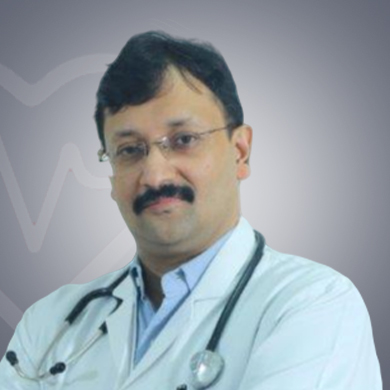
Dr. Mohit Agarwal
Medical Oncologist
14 Years of Experience
One of the finest Oncologist in New Delhi, India, Dr. Mohit Agarwal has worked with several world class multidisciplinary hospitals over the years. Dr. Mohit Agarwal has over 14+ years of experience in his field. The doctor treats and manages a wide range of conditions such as Stomach Cancer, Rectal Cancer, Breast Cancer, Brain Cancer View More
Last Reviewed - January 2026