Heart Failure Treatment in India
- Top Accredited Hospitals
- Global Medical Standards
- Cutting-Edge Technology
- Proven Treatment Options
- High Success Rate
- Trusted by Millions

What is Heart failure?
Heart failure occurs when the heart muscle doesn't pump blood as well as it should. Shortness of breath can result from fluid accumulation and blood backing up in the lungs.
The heart becomes too weak or stiff to adequately fill and pump blood due to certain heart diseases over time. These conditions include elevated blood pressure and cardiac artery narrowing. Congestive heart failure is another name for heart failure.
What is the Importance of Timely Treatment?
Heart failure must be treated promptly to preserve the patient's quality of life and prevent the illness from worsening. In addition to preventing additional heart muscle damage, early intervention can help manage symptoms, including fatigue, oedema, and shortness of breath. Serious side effects like kidney failure, stroke, or sudden cardiac arrest are also less likely to occur with prompt treatment.
Medication, lifestyle modifications, and suitable therapy can stabilise heart function, lower hospitalisation rates, and lengthen life expectancy by managing underlying causes (such as high blood pressure or coronary artery disease). Postponing therapy can increase the risk of life-threatening events, worsen heart failure, and impair heart function.
What are the Common Symptoms of Heart Failure?
Symptoms may develop slowly. Symptoms of heart failure can occasionally appear suddenly. Heart failure symptoms may include:
- Shortness of breath with activity or when lying down.
- Weakness and exhaustion.
- Foot, ankles, and legs swelling.
- Fast or irregular heartbeat.
- Diminished exercise capacity.
- Wheezing.
- A persistent cough or one that produces pink or white mucus with blood splatters.
- Swelling in the abdomen.
- Rapid weight gain due to fluid accumulation.
- Nausea and appetite loss.
- Reduced attentiveness or trouble focusing.
- Chest pain if a heart attack is the cause of heart failure.
Types of Heart Failure
- Right-sided heart failure: The lower right heart chamber, known as the right ventricle, is impacted by right-sided heart failure. Swelling may result from fluid backing up into the legs, foot, and abdomen.
- Left-sided heart failure: The lower left heart chamber, known as the left ventricle, is impacted by left-sided heart failure. The accumulation of fluid in the lungs can result in dyspnea.
- Systolic heart failure, another name for heart failure with reduced ejection fraction (HFrEF): This is a form of left-sided heart failure. The left ventricle is unable to squeeze as forcefully as it should. The body cannot get enough blood from the heart because it is not powerful enough.
- Heart failure with preserved ejection fraction (HFpEF), also called diastolic heart failure: This kind of cardiac failure is left-sided. The left ventricle is unable to inflate or relax fully. The heart struggles to pump blood.
Causes, Risk Factors and Complications of Heart Failure
Causes
Congestive heart failure has several causes, including:
- Heart attack and/or coronary artery disease
- Cardiomyopathy
- Birth defects of the heart (congenital heart disease)
- Diabetes
- Hypertension, or elevated blood pressure
- Arrhythmia
- Kidney illness
- Greater than 30 body mass index (BMI)
- Tobacco use
- Use of alcohol
- Cancer medications (chemotherapy)
Risk Factors
Diseases and conditions that increase the risk of heart failure include:
- Coronary artery disease
- Heart attack
- Heart valve disease
- High blood pressure
- Irregular heartbeats
- Congenital heart disease
- Diabetes
- Sleep apnea
- Obesity
Medicines that may increase the risk of heart failure include:
- Some diabetes medicines
- Some other medicines
Other risk factors for heart failure include:
- Ageing
- Alcohol use
- Smoking or using tobacco
Complications
Your age, general health, and the severity of your heart disease all affect the complications that can arise from heart failure. These could consist of:
- Kidney damage or failure.
- Other heart changes.
- Liver damage.
- Sudden cardiac death
Connect with our advisor for a PRIORITY response
Heart Failure Prevention Tips
Treating and managing the problems that can lead to heart failure is one strategy to avoid it. These ailments include obesity, diabetes, high blood pressure, and coronary artery disease.
Heart failure may be prevented by adopting some of the same lifestyle modifications that are used to treat it, which are as follows:
- Avoid smoking.
- Get a lot of exercise.
- Consume nutritious foods.
- Keep your weight in check.
- Manage and lessen stress.
- As prescribed, take your medications.
Treatment options for Heart Failure
Coronary Artery Bypass Grafting (CABG): During the procedure, a healthy blood vessel from the arm, leg, or chest is taken and connected below and above the heart's clogged arteries. The new pathway improves blood flow to the heart muscle.
Cost Start From USD 5000 - USD 6000Explore Options
ICD Combo Device: An ICD is a device that resembles a pacemaker. With wires running through the veins and into the heart, it is implanted beneath the skin in the chest.
Cost Start From USD 6000 - USD 8000Explore Options
Heart Transplantation: Some people's heart failure is so severe that neither medication nor surgery can help. It might be necessary for these individuals to have a healthy donor heart installed in place of their own.
Cost Start From USD 55000 - USD 65000Explore Options
Open Heart Surgery: Open heart surgery or minimally invasive surgery can be used to replace or repair a heart valve.
Tests that may be done to diagnose heart failure may include:
- Clinical Assessment:
- Blood tests: Blood testing is helpful in the diagnosis of heart-related conditions.
- Ejection fraction: The percentage of blood that leaves your heart with each squeeze is known as the ejection fraction.
- Imaging Tests:
- Chest X-ray: The state of the heart and lungs can be seen in the X-ray pictures.
- Echocardiogram: Images of the beating heart are produced by sound waves. The heart's size, shape, valves, and blood flow are all demonstrated by this test.
- CT scan of the heart: This examination, also known as a cardiac CT scan, creates cross-sectional images of the heart using X-rays.
- Coronary angiogram: This test helps identify cardiac artery blockages.
- Other Diagnostic:
- Electrocardiogram (ECG or EKG): This rapid and painless test records the electrical signals in the heart. It may display the heart's rhythm, either fast or slow.
- Exercise tests or stress tests: During these examinations, the heart is generally monitored while walking on a treadmill or pedalling a stationary bike. Exercise tests can reveal how the heart reacts to exertion.
- Myocardial biopsy: Microscopic sections of the heart muscle are removed for inspection by a medical specialist during this test.
Heart Failure rehabilitation options include:
Cardiac Rehabilitation Programs: Coordinated efforts that support cardiac rehabilitation via exercise, education, and therapy.
Exercise and Physical Activity: Exercise plans to improve cardiovascular health and endurance under supervision.
Lifestyle Changes: Encouraging heart-healthy habits include controlling weight, giving up smoking, and making dietary changes.
Heart failure may be treated with a combination of medications.
- Angiotensin-converting enzyme (ACE) inhibitors
- Angiotensin II receptor blockers (ARBs)
- Angiotensin receptor plus neprilysin inhibitors (ARNIs)
- Beta-blockers
- Diuretics
- Potassium-sparing diuretics
Instantly Connect with our Specialists


Hospitals for Heart Failure in India
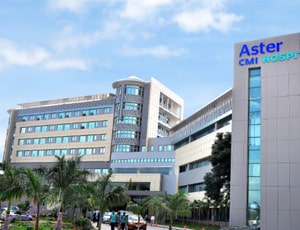
Aster CMI Hospital
Bangalore, India
Aster CMI Hospital located in Bengaluru, India is accredited by JCI, NABH. Also listed below are some of the most prominent infrastructural details:
- Around 500 bed capacity
- Primary care to Quaternary care services
- Outpatient and inpatient departments
- Day care center for small children
- Availability of Surgical suites
- Intensive Care Units
- 24-hour Emergency and Trauma Care
- Emergency Unit especially for children
- Newly launched the Lung and Heart Transplant Centre
- Video Consultation with doctors available on GraphMyHealth
- A specialised Aster Center of Excellence for Women & Children
- Latest Minimally Invasive Procedures being performed
- Safe Interventional Procedures
- Control of Infection protocols are strictly followed
- Aster Holistic Collaborative Care: Aster Palliative Care for lowering suffering if critically ill patients, Physical Medicine & Rehabilitation, Aster Wellness, Psychology, Chronic Pain Management, Nutrition & Dietetic, Podiatry Care etc.
- 11 Centers of Excellence
- An academics focus with BSc Program, MEM Program, Pediatric Fellowship Program
- A streamlined International patient care center with dedicated services and technology enabled processes

MGM Healthcare
Chennai, India
There are a wide variety of healthcare facilities and specialized, targeted treatments provided by MGM HealthCare. Some of its most prominent services are listed below:
Institute of Heart and Lung Transplant and Mechanical Circulatory Support: Well renowned for having the third-highest number of heart transplants in a year (102) and also the successful completion of several other transplant surgeries and cardiac surgeries.
Cardiac Sciences: They offer a variety of screening tests and facilities including Tilt Table Test, Coronary Angioplasty and Stenting, CT Angiography, Coronary Artery Bypass Grafting, Stress Echocardiogram, Cardiac Stress Test and Cardiac Catheterisation.
Obstetrics and Gynaecology: They provide all services to ensure a woman’s well-being. Some of the services offered are Menstrual Cramps Treatment, Colposcopy, Myomectomy, Vaginal Hysterectomy, Breastfeeding Support, Ovarian Cyst Removal, Menopause Management, Vaginal Birth After Caesarean (VBAC), and Menorrhagia Treatment.
Orthopedics: Bilateral Knee Replacement, Total hip Replacement, and Knee Arthroscopy are all the procedures that are offered in this department.
Liver Transplantation: An exceptionally skilled team of professionals who have performed over 4,000 liver transplant surgeries and an operation theatre and ICU specifically dedicated to HBP surgery is available at the patient’s disposal.
Emergency Medicine: MGM Healthcare has a fully functioning facility dedicated to emergency medicine that operates 24 hours a day and 7 days a week.
Oncology: The patients will be in the safe hands of well-trained medical personnel qualified in the field of oncology and specialize in procedures like Bowel resection surgery, Biopsy, Lumpectomy, Liver Resection Surgery, Lung Cancer resection surgery, Lymph Node Surgery, and Laparoscopic Prostatectomy. They also provide cancer treatments like Chemotherapy, Immunotherapy, and Targeted Therapy.
Anaesthesiology and SICU: They specialize in the field of local, general and regional anesthesia and work to assist doctors during surgical procedures.
Neurosciences and Spine: The doctors in this department handle difficult procedures like Brain Tumour Surgery, Spine Reconstructive Surgery, Neuro Surgeries, and Spine Surgeries with the utmost ease and professionalism. They also have a specific area dedicated to Neuroanaesthesia and NeuroCritical Care.
Do visit the environment-friendly medical facility in Chennai and experience medical excellence.

Apollo Hospitals Bannerghatta
Bangalore, India
Apollo Hospitals Bannerghatta located in Bengaluru, India is accredited by JCI, NABH. Also listed below are some of the most prominent infrastructural details:
- Bed Capacity is 250
- Largest and most sophisticated sleep laboratory in the world
- Technological powerhouse with latest equipments
- 120 slice CT angiogram
- 3 Tesla MRI
- Low energy & High energy Linear Accelerators
- Navigation System in surgical procedures
- 4-D Ultrasound for 4 dimensional sonography
- Digital Fluoroscopy
- Gamma Camera
- Stereotactic Robotic Radio- surgery
- Autologous Bone Marrow Transplantation
- Robotic assisted surgeries
- Thallium Laser-First in India
- Holmium Laser-First in South India
- Digital X-Ray-First in Karnataka
- 100 plus consultants
- Uses Y shaped stent for tracheoesophageal fistula
- Four autologous chondrocyte implantations procedure is performed and several more like Spinal angiolipoma excision, Tibial tuberosity shift with MPSL reconstruction
- Biggest series of airway stents in India
- The Minimal Access Surgery Centre (MASC) centre of excellence
Our Services to better your experience
Opinion & Option
We submit the most accurate opinion and options from one or more countries for your review
Consult Privately
Consult with a certified specialist privately on our telemedicine platform even before you decide to travel
Logistics
We handle flights, visas, transfers, and accommodation—so you can focus on your health.
Recovery
Our In-house rehabilitation service packages to better your recovery and treatment outcome
Why Choose India for Heart Failure Treatment?
Here are some of the reasons for choosing India:
- Due to advancements in medical facilities, such as minimally invasive surgical techniques.
- World-class experts include highly experienced doctors, JCI, and NABH-accredited healthcare institutions.
- Compared to other countries, treatment in Indian hospitals is cost-effective.
- Indian hospitals provide International patient services, including a multilingual support system.
- Improved treatment methods and biological therapies.
Frequently Asked Questions
Yes, many people with heart failure can have happy lives with the proper care, lifestyle modifications, and frequent monitoring. However, they may need to modify their activities to control their symptoms and avoid consequences.
A heart transplant may be an option for eligible individuals whose heart failure is severe and refractory to previous therapies. Long-term survival and better cardiac function are possible with this strategy.
India has a good success rate for treating heart failure because of efficient medical care, device therapies, and heart transplantation possibilities. With quick, adequate care, overall outcomes are positive, and heart transplant success rates range from 85 to 90% for 1-year survival.
The cause, severity, and course of treatment all affect the prognosis. Many heart failure patients can have a high quality of life and live for many years with the proper care.
The cause, severity, and course of treatment all affect the prognosis. Many heart failure patients can have a high quality of life and live for many years with the right care.
The inability of the heart to pump blood effectively is known as heart failure, whereas a heart attack happens when blood flow to a portion of the heart muscle is cut off, resulting in tissue damage.
Indeed, because heart failure reduces blood flow and oxygen availability, it can cause problems in other organs, including the kidneys, lungs, and liver.
Smoking damages blood vessels raises blood pressure, and increases the risk of heart attacks and other cardiovascular issues, all of which exacerbate heart failure.

Reviewer

Dr. Akash Khandelwal
Hematologist
9 Years of Experience
Dr. Akash Khandelwal is a distinguished Hematologist, Hemato-oncologist, and Bone Marrow Transplant (BMT) Physician with extensive training from the prestigious AIIMS New Delhi. His expertise encompasses a wide range of specialized techniques in bone marrow transplantation, including autologous and allogeneic transplants such as matched sibling donors, matched unrelated donors (MUD), and haploidentical donor transplants. Dr. Khandelwal has personally supervised and conducted over 100 bone marrow transplants. View More
Last Reviewed - January 2026