Glioma Treatment in India
- Top Accredited Hospitals
- Global Medical Standards
- Cutting-Edge Technology
- Proven Treatment Options
- High Success Rate
- Trusted by Millions

What is Glioma?
Gliomas are tumour growths of cells that arise in the spinal cord or brain. Glioma cells are similar to glial cells, which are healthy brain cells. Glial cells support and encompass nerve cells in their function.
A glioma becomes a tumour, which is a collection of cells. The tumour growth can compress the brain or spinal cord, causing symptoms. The location of the affected part of the brain or spinal cord determines the symptoms.
There are many kinds of gliomas. Some are not considered to be malignancies and develop slowly, while others are considered to be malignancies. Malignant is another term that means cancerous. Malignant gliomas can invade normal brain tissue and grow very quickly. Some gliomas are more prevalent in adulthood, while others only occur in children.
Types of glioma
The type of glial cells from which gliomas develop determines their classification. The main glioma types are as follows:
Astrocytoma: This originates from astrocytes, which are star-shaped glial cells. They consist of low-grade tumours, which are less malignant, and high-grade tumours, which are more malignant.
Oligodendrogliomas: Oligodendrocytes, the cells that originate oligodendrogliomas, form the myelin sheath that envelops nerve fibres. These tumours tend to develop more slowly.
Ependymomas: The ependymal cells lining the ventricles of the brain and spinal cord lead to ependymomas. Adults and children can develop them.
Glioblastoma (GBM) is among the most vicious and lethal of brain tumours and is a highly malignant and aggressive type of astrocytoma.
What is the Importance of Timely Treatment?
Glioma should be treated as early as possible to enhance outcomes and quality of life. Early management can achieve minimal symptoms, reduced tumour growth, and potentially enhanced effectiveness of chemotherapy, radiotherapy, and surgery. Delaying treatment may make the disease more challenging to manage by increasing pressure in the brain, exacerbating neurological deficits, and enhancing tumour growth. Early treatment may improve the options for personalised treatment, which may strengthen long-term survival.
What are the Common Symptoms of Glioma?
The location of a glioma determines its symptoms. The glioma's size, type, and growth rate may also affect the symptoms.
- Headache, especially one that is most painful in the morning.
- Vomiting, and nausea.
- Confusion or deterioration in brain function, including issues with information comprehension and thought processes.
- Loss of memory.
- Alterations in personality.
- Double vision, blurred vision, or loss of peripheral vision.
- Speech issues.
- Seizures
Causes and Risk Factors of Glioma
Causes
Studies have shown that gliomas and other spinal cord and brain cancers result from DNA alterations. DNA is found in our genes, which dictate how cells divide and grow. If the DNA of our genes mutates, cells can grow uncontrollably.
Your parents can pass down genetic mutations. They can also co-occur while you're alive.
Risk Factors
- Age
- Family history
- Radiation exposure
- Environmental factors
- Weakened immune system
Connect with our advisor for a PRIORITY response
Latest Research and Technologies in the Treatment of Glioma in India
Recent and future studies in India focus on enhancing the treatment of gliomas with advanced tools and therapies. Radiation, chemotherapy, and surgery are the current options, but newer approaches such as immunotherapy, targeted drugs, and gene therapies are also gaining attention. Personalised medicine focuses on treatments based on tumour genetic profiling and is increasingly being researched in India. New drug delivery technologies and proton therapy are some of the latest technologies that can potentially enhance glioma patients' treatment outcomes.
Treatment options for Glioma
Brain Cancer Treatment: Depending on the type, size, and location of the tumour, glioma is usually treated with a combination of chemotherapy, radiation therapy, and surgery.
Cost Start From USD 7500 - USD 12000Explore Options
Surgery: The first step in treating gliomas is typically to remove the tumour. If the glioma is eliminated, surgery may be the only necessary treatment.
Chemotherapy: Chemotherapy medications are used to kill tumour cells. Chemotherapy drugs are usually given intravenously or orally. Chemotherapy may sometimes be given directly to the glioma cells.
Cost Start From USD 600 - USD 700Explore Options
Radiation Therapy: Radiation destroys tumour cells with high-energy beams. The energy source can be protons, X-rays, or something else. After surgery, radiation therapy is often employed to treat gliomas. The radiation kills the leftover glioma cells after surgery. Radiation and chemotherapy are usually combined.
Targeted Therapy: Targeted therapy treatments focus on specific substances in cancer cells. Targeted therapy treatments can kill cancer cells by inhibiting these substances.
Cost Start From USD 8000 - USD 12000Explore Options
- Neurological Exam: A detailed neurological and physical exam to assess for symptoms like weakness, changes in vision, or coordination difficulty.
- MRI is the most common method of imaging used for glioma detection. It can take detailed brain pictures and determine the size, position, and type of tumours.
- Computed tomography (CT) scans are occasionally substituted for MRIs but are not as detailed.
- Biopsy: A tumour tissue biopsy is taken for laboratory analysis to determine the type and grade of the gliomas.
- PET scans (positron emission tomography) are sometimes combined to assess tumour metabolism and assist with therapy planning.
MediRehab (chain of Rehab centres - Part of MediGence) provides comprehensive rehabilitation services designed to support Glioma patients in India. These services include:
- Physical Therapy: To enhance mobility, strength, and coordination, particularly if the tumour or surgery has impacted motor function.
- Occupational Therapy: Assists patients in recovering the skills to do daily tasks and enhance fine movements, including dressing, eating, and writing.
- Speech Therapy assists in the recovery of speech and swallowing function if the glioma or its treatment has impaired these functions.
- Cognitive Rehabilitation helps patients cope with memory, attention, and other mental processes affected by the tumour or treatment.
- Depending on the situation, your healthcare professional may prescribe medicine to help control your symptoms and support the treatment plan.
Instantly Connect with our Specialists


Hospitals for Glioma in India

Metro Hospital
Noida, India
Metro Hospital located in Noida, India is accredited by ISO, NABH, NABL. Also listed below are some of the most prominent infrastructural details:
- Metro Hospital is a 317 bedded state-of-the-art super speciality hospital, which is functioning as two units- 110 beds capacity in Metro Heart Institute and 207 beds capacity in Metro Multispeciality Hospital
- 45 beds in Intensive Coronary Care and High Dependency Unit
- 24/7 Blood Bank
- 24/7 Pharmacy
- 24/7 Cardiac Ambulance
- 24/7 Emergency unit
- Different types of patients in-patient rooms are available for patients convenience- Super Deluxe rooms (8), Deluxe Rooms (2), Private Rooms (6), Semi-private rooms (14), Triple bedded rooms (6), Four bedded rooms (8), Five bedded rooms (5) and Six bedded rooms (12)
- Cafeteria/Restaurant

Sharda Hospital
Noida, India
Sharda Hospital located in Greater Noida, India is accredited by ISO, NABH. Also listed below are some of the most prominent infrastructural details:
- The hospital is equipped with the best of technologically advanced equipment.
- Sharda Hospital, Delhi has a bed capacity of 900.
- There are as many as 90 beds in the critical care section.
- The critical care facilities are present for general medicine, Pulmonology, Surgery, Paediatrics, Neonatology, Cardiology, Cardiothoracic surgery and Neurosciences.
- There are Centers of Excellence such as Institute of Child Care, Institute of Dental Sciences, Institute of Orthopedic & Spine,Institute of Neuro Sciences, Institute of Minimal Access Surgery etc.
- Virtual consultations in the form of Telemedicine and Teleradiology are a reality at an advanced hospital such as Sharda Hospital.
- There is also a Tele ICU facility that ensures that a virtual ICU is a functioning system. It is aided with audio visual communication systems, latest computers, a team which is networking and a physically present ICU team.
- 24/7 Emergency care available aided with buses as well as ambulances.
- Exceptional International patient care coordination is available throughout the system helping patients with transfer, travel, treatments.

The Madras Institute of Orthopedics and Traumatology
Chennai, India
MIOT started its journey with only 70 beds and focusing on Orthopedics and Trauma care. However, we grew into a multi-specialty hospital with time. MIOT is now a 1000-bedded hospital and can offer an extensive range of services across 63 specialties. The state of art laboratory of our hospital is ranked 8th internationally. We have 21 super-specialty operation theaters equipped with cutting-edge technology to help our doctors with complex procedures.
We take great care to make our patient rooms comfortable enough. The patient rooms get plenty of fresh air as well as natural light. The soothing views from the rooms do not let the patients feel cut off from the outside world. We use separate entrances for emergency patients, out-patients, in-patients, and their attendants. We put our patients’ safety first which is why we use a superior air system to ensure a near-zero infection healthy environment.
Apart from that, MIOT’s 24 hours blood bank provides all kinds of blood work related services which include blood collection to component separation. This state-of-art blood bank alone handles more than 30,000 units of blood over the course of a year. Every month around 600 blood transfusions are managed by this blood bank.
MIOT’s SIGNA Pioneer 3T MRI machine is made with noise reduction technology. This silent MRI machine can deliver superior quality neuroimages without wasting any time. The department of Radiology and Imaging Sciences can give tough competition to any international hospital with its advanced technology and accuracy.
The PET CT service at MIOT International is the first of its kind in South India enabling better and more accurate diagnosis than earlier. The superior diagnosis is also possible for the two digital cath labs at MIOT Heart Revive center.
We also have a physiotherapy team where a team of highly efficient physiotherapists deals with the mobility and functional disability issues of our patients. They listen to the patients carefully to identify the root of the pain and use therapeutic exercises to reduce their pain.
The CCU of MIOT is something to be proud of. The specially-trained staff of this unit is dedicated to ensuring top-quality medical support to serious patients. This unit along with the MIOT International Laboratory is the backbone of our facility.
Furthermore, what makes MIOT unique is our Telemedicine service. In the new normal, we are trying everything to reach our patients. Our one of its kind Telemedicine service connects our patients to our 250 full-time doctors over email, phone, chat and video consultations.
Our Services to better your experience
Opinion & Option
We submit the most accurate opinion and options from one or more countries for your review
Consult Privately
Consult with a certified specialist privately on our telemedicine platform even before you decide to travel
Logistics
We handle flights, visas, transfers, and accommodation—so you can focus on your health.
Recovery
Our In-house rehabilitation service packages to better your recovery and treatment outcome
Why Choose India for Glioma Treatment?
India's advanced medical technology, well-trained medical professionals, and low-cost care make it an attractive destination for glioma treatment. Compared to most Western countries, patients are provided top-notch care at a fraction of the price due to access to cutting-edge treatments such as proton therapy, targeted therapies, and trained neurosurgeons. In world-class hospitals with shorter waiting times, Glioma patients would benefit from India's holistic care, including surgery, radiation, and rehabilitation.
Frequently Asked Questions
The following are the main differences between high-grade and low-grade gliomas:
- Low-gradegliomas, typically grade I or II, are less aggressive, grow more slowly, and have a better prognosis.
- High-grade gliomas, like glioblastoma, are often graded as grade III or IV because they are more malignant and develop rapidly.
Surgery is usually advised in India for glioma, but it is not always necessary in all cases. Surgery is decided based on various factors, such as the tumour's type, size, and location and the patient's general health.
Gliomas may recur after treatment. Recurrence depends on several factors, such as the location, grade, and type of the glioma. Due to their aggressive nature, glioblastoma and other high-grade gliomas are more likely to recur. Despite successful initial treatment, glioma cells might remain in the brain, which may result in the tumour's recurrence.
Survival in glioma depends on the location, grade, and type of tumour. The prognosis for low-grade gliomas is generally favourable, with 5-year survival ranging from 60% to 80%. Glioblastoma and high-grade gliomas, however, have an inferior prognosis with a median survival of 12 to 18 months and a 5-year survival of around 5% to 10%. While outcomes can be optimised with early detection and treatment, survival remains unpredictable.
The following lifestyle modifications can help in the management of glioma symptoms:
- Regular, moderate exercise can enhance strength, decrease fatigue, and increase general well-being.
- A well-balanced diet containing plenty of fruits, vegetables, and whole grains can improve overall well-being, enhance energy levels, and boost the immune system.
- The relaxation skills of meditation, deep breathing, or yoga can be used to minimise stress and anxiety.
- Resting properly and getting quality sleep assists in managing tiredness and facilitating the body's healing process.
- Prescribed pain medications and complementary therapies like massage or acupuncture can help control discomfort.
- Participation in cognitive therapy or support groups can treat cognitive problems and offer emotional support throughout treatment.
Author

Alvina Hasan
Alvina Hasan is a dedicated medical researcher and scientific writer with a strong foundation in pharmaceutical sciences. She holds a B.Pharm from Jamia Hamdard University and an M.Pharm in Quality Assurance from DIPSAR University.
With deep medical expertise and a strong interest in healthcare communication, she focuses on transforming complex clinical and scientific information into clear, engaging, and easy-to-understand narratives. She develops insightful healthcare articles and research-driven content designed to support both medical professionals and patients, helping bridge the gap between advanced medical knowledge and practical understanding.
Readers can explore her published research and articles here:
https://carcinogenesis.com/index.php/JOC/article/view/868
https://carcinogenesis.com/index.php/JOC/article/view/870
View MoreReviewer
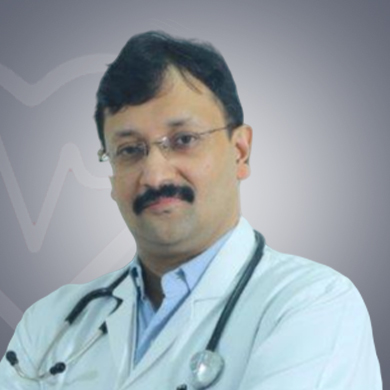
Dr. Mohit Agarwal
Medical Oncologist
14 Years of Experience
One of the finest Oncologist in New Delhi, India, Dr. Mohit Agarwal has worked with several world class multidisciplinary hospitals over the years. Dr. Mohit Agarwal has over 14+ years of experience in his field. The doctor treats and manages a wide range of conditions such as Stomach Cancer, Rectal Cancer, Breast Cancer, Brain Cancer View More
Last Reviewed - January 2026