Failed Back Surgery Syndrome Treatment in India
- Top Accredited Hospitals
- Global Medical Standards
- Cutting-Edge Technology
- Proven Treatment Options
- High Success Rate
- Trusted by Millions

What is Failed Back Surgery Syndrome?
Failed Back Surgery Syndrome (FBSS) is defined as continuing pain or discomfort after a surgical procedure such as laminectomy, discectomy, or spine fusion. A patient undergoes surgery, but the cause of pain remains or is aggravated.
What is the Importance of Timely Treatment?
- Prevent Catastrophic Progression of Symptoms: Early intervention can prevent the progress of a condition, which may worsen with increased and debilitating pain and complications. A delay in treatment could turn into chronic pain and even lead to permanent nerve damage.
- Enhances Treatment Outcomes: Early intervention improves the likelihood of successful outcomes. Most non-invasive strategies are thus more likely to be resolved early because they can cure a condition with physical therapy, medications, or injections.
- Avoids the Need for Further Surgery: Early treatment can prevent the necessity of further, more aggressive surgeries. It may be possible to use more conservative treatments that will help alleviate pain and improve function without the need for another surgery.
- Improves Quality of Life: Early intervention helps patients manage and maintain mobility, control pain, and resume daily activities, improving overall well-being and preventing long-term disability.
What are the Common Symptoms of Failed Back Surgery Syndrome?
- Persistent or Recurring Pain
- Nerve Pain
- Limited Mobility
- Weakness
- Sensory Changes
- Instability or Loss of Function
Causes and Risk Factors of Failed Back Surgery Syndrome
Causes
- Incorrect Diagnosis
- Unrecognised conditions
- Infection
- Scar Tissue Formation
- Incomplete Surgery
- Adjacent Segment Disease
- Psychological Factors
- Nerve Damage or Injury
- Spinal Instability or Deformities
- Overuse or Physical Stress
- Degenerative Changes
- Age and Health Conditions
- Unsuccessful Surgical Techniques
Risk Factors
- Age
- Weakened Immune System
- Chronic Health Conditions
- Intravenous Drug Use
- Previous Spinal Surgery or Invasive Procedures
- Poor Nutrition
- Obesity
Connect with our advisor for a PRIORITY response
Latest Research and Technologies in the Treatment of Failed Back Surgery Syndrome in India
The medical treatment of Failed Back Surgery Syndrome in India adapts the latest research and technologies to meet worldwide clinical standards and healthcare capabilities.
- Advanced Diagnostic Imaging: MRI is the mainstay diagnostic tool for Failed Back Surgery Syndrome, providing high-resolution imaging of disc inflammation and similar signal changes associated with fluid collections and vertebral abnormalities. This aids in prompt and precise diagnosis, directing suitable management.
- Extended Antibiotic Treatment: Patients typically start IV antibiotics, like vancomycin and amikacin, and continue oral antibiotics for up to 12 weeks. This technique is effective against bacterial infections that are common causes of Failed Back Surgery Syndrome.
- Surgical Interventions: In cases with serious problems such as spinal instability or abscesses, surgery might be necessary. Operations like spinal cleaning and using rods and screws for stability support spine health and healing.
- Technological Advancements in Surgery: There is a growing use of minimally invasive surgeries and robotic techniques in India. These methods improve accuracy and shorten recovery time. Such advancements improve results, particularly in complex Failed Back Surgery Syndrome cases.
Failed Back Surgery Syndrome Prevention Tips
Congenital Spinal Cord Malformation risk is reducible through lifestyle modifications and preventive practices despite unalterable risk variables such as age and gender.
- Minimally Invasive Spine Surgery (MISS): Endoscopic spine surgery is an example of new minimally invasive surgery techniques that enable faster recovery and fewer complications among FBSS patients with targeted treatment and small incisions.
- Stem Cell and PRP Therapies: Stem cell and PRP therapies are being studied as regenerative therapies to repair the damaged disc and reduce inflammation in FBSS patients to minimise invasive surgeries for their recovery.
- Spinal Cord Stimulation (SCS): New SCS technologies are used to treat chronic pain, whereby electrical impulses are sent to the spinal cord to disturb pain signals and provide long-term relief for FBSS patients.
- Robot-Assisted Spine Surgery: Robotic spine surgery systems enable more complex procedures with high precision, thus improving accuracy in spinal procedures and, more importantly, reducing complications in revision surgery for FBSS patients.
- Extensively Regenerative Treatment and Rehabilitation: Regenerative therapies, such as those of tissue engineering and post-surgical rehabilitation technologies like virtual reality, have started creating improvement in the long-term recovery and mobility of FBSS patients, resulting in better outcomes with less pain.
Treatment options for Failed Back Surgery Syndrome
The medical treatment for Failed Back Surgery Syndrome requires evaluating the fracture severity, neural involvement, and patient medical condition. The following are the treatment options:
Radiofrequency Ablation (RFA): They heat and deactivate the nerves that transmit pain signals.
Neurostimulation: The implantation of a spinal cord stimulator into a patient delivers electrical pulses to the spinal cord. Patients suffering from FBSS receive this therapy to prevent pain signals and, as a result, help heal chronic pain.
ADR: In some scenarios, artificial spinal discs might replace the damaged spinal discs within the spinal column.
Spinal Fusion remains an option in the case of persistent or recurrent pain after prior back surgery. Spinal fusion can be an option when more conservative treatments, like physical therapy, medicines, or injections, do not help to relieve the symptoms.
Cost Start From USD 6500 - USD 9500Explore Options
These are the standard diagnostic methods for diagnosing Failed Back Surgery Syndrome :
- Clinical Evaluation:
- History and Symptoms: During the assessment, the physician needs information about the previous surgical procedure and symptoms of back pain, numbness, and weakness to determine spinal cord involvement.
- Physical Examination: Physical check-ups examine spinal nerves and nerve compression and evaluate the spine tenderness levels.
- Imaging Studies:
- Magnetic Resonance Imaging: MRI is the best modality for diagnosing Failed Back Surgery Syndrome. It takes high-resolution spine images and gives information about early signs of infection, such as disc degeneration and/or abscesses, and changes in the vertebral endplates.
- Computed Tomography (CT) Scan: CT scan is the other way used in case MRI is unavailable or contraindicated; it provides detailed images of the vertebrae and disc spaces.
- X-rays: The most specific sensitivity in early detection is not very high; it can rule out fractures and other abnormalities in the spine and show late findings of narrowed disk spaces or vertebral destruction.
- CT Myelography: This method injects a contrast dye into the spinal canal and is most often used when MRI cannot be employed. It helps find compression of nerves, scar tissue, and hardware failures.
- Electrodiagnostic Studies:
- Nerve conduction studies: The nerve conduction study (NCS) measures the electrical activity in the nerves. It indicates any nerve damage or irritation that might explain the ongoing pain.
- Electromyography (EMG): EMG tests muscle response to nerve stimulation and can detect abnormal muscle activity related to nerve injury, neuropathy, or radiculopathy.
- Somatosensory Evoked Potentials (SSEP): Measures the electrical response of the spinal cord and brain as a result of stimulation from sensory nerves. SSEP assists in evaluating the function of the spinal cord and the conduction of nerves.
MediRehab (a chain of Rehab centres, part of MediGence) provides comprehensive rehabilitation services designed to support patients in India. Additional services are as per the patient's requirement. These services include:
- Physiotherapy: It aims to strengthen the muscles of the spine core and enhance the flexibility of body movements. It teaches proper postures and mechanical body movements, which could reduce strain and pain in the spine. It may also feature aquatic therapy and manual techniques.
- Pain management: Includes medications, epidural steroid injections, nerve blocks, and TENS for pain control, which, in turn, would enable rehabilitation exercises. Interventional procedures may be considered if conservative treatments fail to yield results.
- Psychological Support: Cognitive-behavioral therapy (CBT) and psychological counselling for addressing emotional factors such as anxiety and depression help not only in managing pain through unmindfulness but also in coping with chronicity.
- Multidisciplinary: The Rehabilitation Department is commonly made up of a plethora of experts such as physical therapists, pain management experts, and occupational therapists and, therefore, recognises a holistic treatment plan that is entirely individual.
The main medications for Failed Back Surgery Syndrome are pain medications: NSAIDs, and muscle relaxants, antidepressants, and anticonvulsants to control nerve pain and chronic discomfort.
Instantly Connect with our Specialists


Hospitals for Failed Back Surgery Syndrome in India
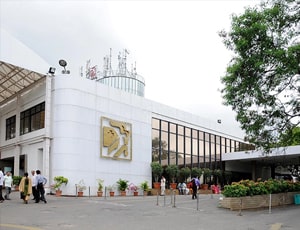
Apollo Hospitals
Hyderabad, India
Apollo Hospitals located in Hyderabad, India is accredited by JCI, NABH. Also listed below are some of the most prominent infrastructural details:
- A premier multi-specialty hospital with 477-bed capacity
- More than 50 specialties, super-specialties
- 12 Centers of Excellence
- The Institutes for Heart Diseases, Neurosciences, Cancer, Emergency, Orthopaedics, Renal Diseases, and Transplants
- Centers of Excellence are known for patient care, training and research
- Doctors with years of truly global experience in healthcare delivery

Star Hospitals
Hyderabad, India
Star Hospitals located in Hyderabad, India is accredited by NABH, NABL. Also listed below are some of the most prominent infrastructural details:
- The bed capacity of Star Hospitals, Hyderabad, India is 130.
- The hospital has Intensive Care Units which are upgraded with the latest technologies.
- International patient care services are applied to make the process of medical travel easier for international patients.
- Centres of Excellence across disciplines such as Cardiac Sciences, Renal Sciences, Critical Care, ENT, Spine Surgery etc.
- A radiology centre which has been digitised.
- There are Centers of Excellence for prominent specialties such as cardiac care and neurosciences, there are a total of six.

Sterling Wockhardt Hospital
Mumbai, India
Sterling Wockhardt Hospital located in Mumbai, India is accredited by NABH. Also listed below are some of the most prominent infrastructural details:
- The bed capacity of Sterling Wockhardt Hospital is 50.
- Critical care and complex cases resolution is done with excellent results.
- Emergency departments with 3 beds capacity and Intensive Care Unit with 10 beds capacity.
- The healthcare delivery focus of the hospital is both on prevention as well curing the conditions.
- Diagnostics are well developed with the latest technological developments.
- Pharmacy, operating rooms, lab services are at par with the best in the country.
- 24/7 ambulance services to cover healthcare requirements in Panvel and Vashi.
- Accommodation, airport transfers, flight bookings and translation services are all available for international patients.
Our Services to better your experience
Opinion & Option
We submit the most accurate opinion and options from one or more countries for your review
Consult Privately
Consult with a certified specialist privately on our telemedicine platform even before you decide to travel
Logistics
We handle flights, visas, transfers, and accommodation—so you can focus on your health.
Recovery
Our In-house rehabilitation service packages to better your recovery and treatment outcome
Why Choose India for Failed Back Surgery Syndrome Treatment?
- Effective Cost: The cost of medical treatment in India proves more economical than Western pricing yet remains equivalent to high-end treatment standards. The treatment path covers operative steps and follows all post-surgical phases.
- World-Class Infrastructure: The healthcare system in India operates multiple facilities accredited at the international level, which combine highly experienced orthopaedic surgeons who receive patients with complicated spine injuries, including Failed Back Surgery Syndrome.
- Advanced Technology: The diagnosis and treatment in Indian medical centres benefit from state-of-the-art equipment and cutting-edge procedures, including minimally invasive surgical methods and robotic-assisted solutions.
- Skilled Specialists: Doctors specialising in orthopaedics and neurosurgery are in high numbers throughout India because Indian medical specialists possess international recognition for their outstanding spinal treatment capabilities.
- Language Support: Indian hospitals offer multilingual support to fulfil international patient needs by assisting in numerous country languages.
Frequently Asked Questions
FBSS can result from incorrect surgical technique, new disc herniation, epidural fibrosis (scar tissue), degeneration of adjacent segments or continued irritation of the nerve roots after the intervention.
Research estimates suggest that between 20% and 40% continue to experience pain after any type of back surgery, although this may vary based on the type of surgery and patient factors.
Treatment comprises physical therapy, pain management (medications, injections), psychological support (CBT), and, in some cases, further surgical intervention or spinal cord stimulation for chronic pain alleviation.
Symptoms that may accompany surgery consist of chronic back pain, leg-related pain, numbness or tingling sensations, weakness, and limited movement. These symptoms may go on or worsen after intervention.
No, surgery is rarely the first option. Most treatments for FBSS typically include conservative therapies like physical therapy, medications, and injections. If a surgical reason causes the pain, reoperation is the best option.
Yes, some medications give pain relief, such as NSAIDs, acetaminophen, muscle relaxants, and opioids (for severe pain); antidepressants and anticonvulsants can also assist in their roles.
The recovery phase varies from patient to patient. Some patients progress with appropriate therapies over months, while others may need long-term pain relief, management, and rehabilitation.
Yes, it is well-recognized that depression, anxiety, or stress can magnify the perception of pain and may adversely affect recovery. Management of these, for instance, through cognitive behavioural therapy, can assist.
While there is no single cure-all for everyone, most patients with FBSS manage to get most of their pain significantly decreased and have much better function from the combination of treatment methods, which generally involve physical therapy and medications as well as lifestyle alterations.
Author

Alvina Hasan
Alvina Hasan is a dedicated medical researcher and scientific writer with a strong foundation in pharmaceutical sciences. She holds a B.Pharm from Jamia Hamdard University and an M.Pharm in Quality Assurance from DIPSAR University.
With deep medical expertise and a strong interest in healthcare communication, she focuses on transforming complex clinical and scientific information into clear, engaging, and easy-to-understand narratives. She develops insightful healthcare articles and research-driven content designed to support both medical professionals and patients, helping bridge the gap between advanced medical knowledge and practical understanding.
Readers can explore her published research and articles here:
https://carcinogenesis.com/index.php/JOC/article/view/868
https://carcinogenesis.com/index.php/JOC/article/view/870
View MoreReviewer

Dr Sonal Gupta
Neurosurgeon
29 Years of Experience
Dr. Sonal Gupta has an experienced neurosurgeon with more than 29+ years of clinical expertise. She is currently the Director, Neuro & Spine Surgery at Fortis Hospital, Shalimar Bagh. Before joining Fortis, she has been associated with various organizations such as Maharaja Agrasen Hospital, Action Balaji Hospital, and Max Hospital. View More
Last Reviewed - January 2026