Ductal Carcinoma In Situ Treatment in India
- Top Accredited Hospitals
- Global Medical Standards
- Cutting-Edge Technology
- Proven Treatment Options
- High Success Rate
- Trusted by Millions

What is Ductal Carcinoma In situ?
Ductal carcinoma in situ is an extremely early form of breast cancer. When it occurs, the cancer cells are contained within a breast milk duct, and the breast tissue is still free of cancerous cells. A common term for this type of breast cancer is DCIS. This type of breast cancer is sometimes referred to as stage 0, noninvasive, or preinvasive.
DCIS is usually found on a mammogram that is done to screen for breast cancer or to investigate a bulge in the breast. There is a minimal chance that DCIS will become invasive and threaten life. However, it must be evaluated, and treatment options must be considered.
DCIS is often treated with surgery. Other treatments may include hormone therapy or radiation therapy in addition to surgery.
What is the Importance of Timely Treatment?
Ductal Cell Carcinoma in Situ (DCIS) must be treated early to lower the chance of recurrence and spread to other body areas, as well as to stop it from developing into invasive breast cancer. Early detection reduces the psychological and physical effects of more invasive surgeries, increases survival rates, and permits breast-conserving therapy. Patients who receive immediate treatment for DCIS have a better prognosis and a higher quality of life, and their chances of the disease developing into something invasive or life-threatening are significantly decreased.
What are the Common Symptoms of Ductal Carcinoma In situ?
Usually, there are no symptoms associated with ductal carcinoma in situ. DCIS is another name for this early stage of breast cancer.
DCIS can occasionally result in symptoms like:
- A lump in the breast.
- Bloody discharge from the nipples.
Mammography is typically where DCIS is detected. In breast tissue, it manifests as microscopic calcium particles. These are calcifications, which are deposits of calcium.
Causes and Risk Factors of Ductal Carcinoma In Situ
Causes
A non-malignant breast cancer that starts in the milk ducts is referred to as ductal carcinoma in situ (DCIS). While their exact cause is not known, risk factors are age (typically greater than 50), radiation, family history or genetic defects (e.g., BRCA1/2), hormonal imbalances, and personal history of benign breast disease.
The risk can also be increased by lifestyle factors such as obesity, alcohol consumption, and lack of exercise, as well as previous reproductive history. Early detection screening is key to the management of DCIS.
Risk Factors
- Age
- Hormonal Factors
- History & Genetics
- Personal History of Breast Conditions
- Radiation Exposure
- Obesity
Connect with our advisor for a PRIORITY response
Latest Research and Technologies in the Treatment of Ductal Carcinoma In Situ in India
Ductal Carcinoma In Situ (DCIS) is a non-invasive form of breast cancer that is localised within the milk ducts. The latest developments involve targeted treatments and hormone therapies to treat specific tumour features. Major medical centres provide expert care for DCIS using advanced technologies and multidisciplinary treatment to maximise patient outcomes. Treatment usually consists of surgical methods like lumpectomy or mastectomy, followed by radiation therapy to minimise the risk of recurrence.
Treatment options for Ductal Carcinoma In Situ
Lumpectomy: The breast cancer and a portion of the surrounding normal tissue are cut out during a lumpectomy. There is no removal of the rest of the breast tissue. Wide local excision and breast-conserving surgery are alternative names for this procedure. Most patients who have a lumpectomy also undergo radiation therapy.
Mastectomy: The removal of all the breast tissue by operation is called a mastectomy. If you prefer, breast reconstruction to re-form the appearance of the breast may be performed at the same time or later on.
Cost Start From USD 3000 - USD 4000Explore Options
Hormone therapy: Endocrine therapy, also referred to as hormone therapy, involves using drugs that prevent the body from making specific hormones. It is applied in the treatment of breast cancers that are estrogen and progesterone-sensitive.
Cost Start From USD 3500 - USD 5500Explore Options
Radiation Therapy: To reduce the risk of recurrence, radiation therapy is often given after surgery for ductal carcinoma in situ (DCIS). It is typically recommended following a lumpectomy, especially if the tumour is large or has high-risk features. High-energy X-rays are employed in the treatment to locate and kill any remaining cancer cells in the breast tissue. Radiation therapy significantly decreases the possibility that DCIS could recur.
Mammography is the most common screening method for detecting breast calcifications that may indicate DCIS.
Breast ultrasound is often used together with mammography to evaluate areas of concern further.
MRI: Provides high-resolution images and helps to determine the extent of DCIS.
Biopsy: The best test for diagnosing DCIS is a biopsy, in which tissue is removed from the suspicious region to determine whether cancer cells are present.
MediRehab (chain of Rehab centres - Part of MediGence) provides comprehensive rehabilitation services designed to support Duct carcinoma in situ patients in India. These services include:
- Physical Therapy assists in the recovery of strength, improvement in mobility, and removal of any restrictions after surgery (e.g., mastectomy or lumpectomy).
- Lymphedema Management: Physical therapists can attempt to reduce arm or breast swelling in patients receiving radiation therapy or surgery.
- Depending on the severity of the condition, your healthcare professional may prescribe medicine to help control your symptoms and support the treatment plan.
Instantly Connect with our Specialists


Hospitals for Ductal Carcinoma In Situ in India
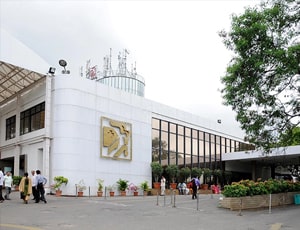
Apollo Hospitals
Hyderabad, India
Apollo Hospitals located in Hyderabad, India is accredited by JCI, NABH. Also listed below are some of the most prominent infrastructural details:
- A premier multi-specialty hospital with 477-bed capacity
- More than 50 specialties, super-specialties
- 12 Centers of Excellence
- The Institutes for Heart Diseases, Neurosciences, Cancer, Emergency, Orthopaedics, Renal Diseases, and Transplants
- Centers of Excellence are known for patient care, training and research
- Doctors with years of truly global experience in healthcare delivery

Medanta - The Medicity
Gurgaon, India
Medanta – The Medicity, Gurugram, founded by renowned cardiac surgeon Dr. Naresh Trehan, is a leading multi-super speciality hospital offering advanced yet affordable healthcare. Spread across a 43-acre campus, it houses 1,391 beds, 270 ICU beds, 40 operation theatres, and 900+ doctors across 30+ specialities. Accredited by JCI, NABH, and NABL, Medanta is designed per American Institute of Architects’ healthcare guidelines. Recognised as the Best Private Hospital in India (2020–2025) and among the World’s Top 250 Hospitals (Newsweek 2024), it excels in Cardiac Care, Cancer, Neurosciences, Gastro, Orthopaedics, and Renal Care, ensuring world-class, collaborative, and compassionate treatment.

Star Hospitals
Hyderabad, India
Star Hospitals located in Hyderabad, India is accredited by NABH, NABL. Also listed below are some of the most prominent infrastructural details:
- The bed capacity of Star Hospitals, Hyderabad, India is 130.
- The hospital has Intensive Care Units which are upgraded with the latest technologies.
- International patient care services are applied to make the process of medical travel easier for international patients.
- Centres of Excellence across disciplines such as Cardiac Sciences, Renal Sciences, Critical Care, ENT, Spine Surgery etc.
- A radiology centre which has been digitised.
- There are Centers of Excellence for prominent specialties such as cardiac care and neurosciences, there are a total of six.
Our Services to better your experience
Opinion & Option
We submit the most accurate opinion and options from one or more countries for your review
Consult Privately
Consult with a certified specialist privately on our telemedicine platform even before you decide to travel
Logistics
We handle flights, visas, transfers, and accommodation—so you can focus on your health.
Recovery
Our In-house rehabilitation service packages to better your recovery and treatment outcome
Why Choose India for Duct Carcinoma In Situ Treatment?
India is one of the most popular destinations for treating ductal carcinoma in situ (DCIS) due to its world-class medical centres, expert physicians, and state-of-the-art facilities. Treatment costs are significantly lower here than in many Western countries, but the quality is excellent and affordable. In addition, India provides total medical care, such as radiation, surgery, and rehabilitation, and it actively welcomes foreign patients through medical tourism.
Frequently Asked Questions
Yes, mammography can often detect ductal carcinoma in situ (DCIS). DCIS usually appears as microcalcifications, microscopic calcium deposits that appear as white specks on X-rays. Microcalcifications can also occur with benign conditions, but when they occur in specific patterns, they can be a marker for DCIS. Mammograms are a key early detection method for DCIS, often before symptoms develop.
In India, a biopsy is the gold standard for diagnosing ductal carcinoma in situ (DCIS). While mammograms and other imaging tests can identify problematic spots, a biopsy is necessary to collect a tissue sample for microscopic analysis. Doctors can use this to effectively diagnose DCIS, evaluate its features, and choose the best course of treatment.
In India, ductal carcinoma in situ (DCIS) often needs surgery, although this depends on the individual case. Based on the size, location, and other features of the DCIS, the most frequent surgical options are mastectomy (breast removal) or lumpectomy (tumour removal).
Surgery is not always needed for DCIS, especially if the issue is detected early and can be treated with hormone therapy or radiation. After consultation with the medical team, the choice is made according to the patient's condition and personal preferences.
Mastectomy can be suggested for Ductal Carcinoma In Situ (DCIS) in India if the DCIS is large or widespread or if it occurs in several locations within the breast so that breast-conserving surgery such as lumpectomy is not as effective. It can also be suggested if the patient is at high risk of recurrence or if prior surgery has not worked to remove the cancer.
Radiation therapy is often recommended in Indian healthcare environments for ductal carcinoma in situ (DCIS), particularly after a lumpectomy. It targets any remaining breast cancer cells, reducing the risk of recurrence. However, radiation therapy is not required for all DCIS patients. Tumor size, margins, grade, and other risk factors affect the decision.
In Indian patients, ductal carcinoma in situ (DCIS) may recur after treatment; the risk is low if proper treatment is undertaken. The opposite or the same breast (local recurrence) can suffer from recurrence. Several factors, such as the grade of DCIS, the surgical margins, the application of radiation therapy, and the patient's overall condition, can influence the risk of recurrence. Imaging tests, monitoring, and follow-up treatment are essential in detecting early recurrence.
Women with Ductal Carcinoma In Situ (DCIS) in India often have very high survival rates; women who receive appropriate therapy have a five-year survival of nearly 90%. The chances of full recovery are significantly enhanced by early detection through screening and timely therapies such as surgery, radiation, or hormone therapy since DCIS is curable and non-invasive. Nevertheless, several variables, such as the tumour's size, grade, and treatment plan, may influence survival rates.
Author

Alvina Hasan
Alvina Hasan is a dedicated medical researcher and scientific writer with a strong foundation in pharmaceutical sciences. She holds a B.Pharm from Jamia Hamdard University and an M.Pharm in Quality Assurance from DIPSAR University.
With deep medical expertise and a strong interest in healthcare communication, she focuses on transforming complex clinical and scientific information into clear, engaging, and easy-to-understand narratives. She develops insightful healthcare articles and research-driven content designed to support both medical professionals and patients, helping bridge the gap between advanced medical knowledge and practical understanding.
Readers can explore her published research and articles here:
https://carcinogenesis.com/index.php/JOC/article/view/868
https://carcinogenesis.com/index.php/JOC/article/view/870
View MoreReviewer

Dr. Mohit Agarwal
Medical Oncologist
14 Years of Experience
One of the finest Oncologist in New Delhi, India, Dr. Mohit Agarwal has worked with several world class multidisciplinary hospitals over the years. Dr. Mohit Agarwal has over 14+ years of experience in his field. The doctor treats and manages a wide range of conditions such as Stomach Cancer, Rectal Cancer, Breast Cancer, Brain Cancer View More
Last Reviewed - January 2026