Arrhythmias Treatment in India
- Top Accredited Hospitals
- Global Medical Standards
- Cutting-Edge Technology
- Proven Treatment Options
- High Success Rate
- Trusted by Millions

What is Arrhythmias?
An irregular heartbeat is called a heart arrhythmia. A cardiac arrhythmia results when the electrical signals instructing the heart to beat malfunction. Either overly fast or too sluggish heartbeats are possible. Alternatively, the heartbeat's rhythm could be irregular.
What is the Importance of Timely Treatment?
Treatment of arrhythmia should thus be timely due to the importance of preventing fatal complications such as stroke, heart failure, and even sudden death.
If unaddressed, arrhythmia may cause heartbeats faster than usual or slower than they should be while irregular, stopping the typical passage of blood all over the body. This hampers oxygen delivery through the blood, risking permanent destruction.
Early treatment restores normal heart rhythm, improves the functioning of the heart in general and significantly reduces the risk of any life-threatening event.
What are the Common Symptoms of Arrhythmias?
An arrhythmia can cause symptoms such as
- Chest sensation that is fluttering, racing, or pounding.
- A rapid heartbeat.
- A slow heartbeat.
- Chest discomfort.
- Breathlessness.
- Anxiety.
- Feeling exhausted.
- Dizziness or lightheadedness.
- Sweating.
- Fainting
Sometimes, an arrhythmia of the heart might be "silent" and show no symptoms.
Types of Heart Arrhythmias
- Tachycardia (Fast Heartbeat): When the heart rate is over 100 beats per minute.
- Atrial Fibrillation (AFib):Rapid, erratic heartbeats caused by disordered electrical signals are known as atrial fibrillation (AFib), and they are associated with stroke.
- Atrial Flutter: Linked to stroke, this condition is similar to AFib but has more regular heartbeats.
- Supraventricular Tachycardia: Supraventricular tachycardia is an irregular heartbeat that originates above the ventricles and results in pounding heartbeats.
- Ventricular Fibrillation: If left untreated, ventricular fibrillation, a condition characterised by unstable electrical signals in the lower chambers, can be fatal.
- Ventricular Tachycardia: In patients with heart problems, ventricular tachycardia, a rapid, irregular heart rate from the ventricles, can be deadly.
- Bradycardia (Slow Heartbeat):A heart rate lower than 60 beats per minute is known as bradycardia or slow heartbeat; this condition is not usually harmful, especially in healthy people.
- Sick Sinus Syndrome: When the sinus node malfunctions, the heart beats more slowly and quickly.
- Conduction Block: Slower or missed heartbeats due to blocked electrical paths.
- Premature Heartbeats: Extra heartbeats that could seem like a missed beat are known as premature heartbeats.
- Premature Atrial Contractions (PACs): Extra heartbeats from the upper chambers are known as premature atrial contractions.
- Premature Ventricular Contractions (PVCs): Extra heartbeats from the lower chambers are called premature ventricular contractions (PVCs).
Though usually not an issue, it can cause more persistent arrhythmias, particularly in people with cardiac problems.
Causes, Risk Factors and Complications of Arrhythmias
CausesIssues with your heart's muscles, valves, or arteries cause most arrhythmias. Arrhythmia causes include:
- Coronary artery disease
- Your heart's irritable tissue (caused by acquired or inherited factors)
- increased blood pressure.
- Cardiac muscle alterations (cardiomyopathy).
- Issues with the valves.
- Imbalances in your blood's electrolytes.
- A heart attack injury.
- The recovery period following cardiac surgery.
- Other medical conditions.
Risk Factors
Risk factors for arrhythmia include:
- Using tobacco products
- Consuming alcohol.
- Consuming caffeine-containing meals and beverages.
- Consuming stimulants such as herbal pills or cold remedies.
- Having elevated blood pressure.
- Possessing a body mass index (BMI) which is more than thirty.
- Having elevated blood sugar levels.
- Suffering from sleep apnea (a sleep disorder that causes breathing to stop and start during sleep repeatedly)
Complications
Depending on the kind of cardiac arrhythmia, complications can arise. Among the potential side effects of cardiac arrhythmias are:
- Blood clots, which may result in stroke.
- Heart failure.
- Unexpected cardiac death.
Connect with our advisor for a PRIORITY response
Latest Research and Technologies in the Treatment of Arrhythmias
- Miniaturised, long-lasting implantable monitors and leadless pacemakers are two recent developments in arrhythmia treatment that provide more effective, minimally invasive alternatives for ongoing cardiac rhythm monitoring.
- These developments are revolutionising arrhythmia care by facilitating real-time data sharing and better patient management at home, in conjunction with mobile apps and remote monitoring.
Arrhythmias Prevention Tips
Heart arrhythmias can be prevented with lifestyle modifications used to treat heart disease. Check out these heart-healthy suggestions:
- Avoid smoking.
- Consume a diet that includes a minimum amount of saturated fat and sodium.
- Get at least 30 minutes of exercise daily on most days of the week.
- Keep your weight in check.
- Manage and lessen stress.
- Control high blood pressure, increased cholesterol, and diabetes.
- Get enough rest. Adults should strive for a sleep of 7 to 9 hours per day.
- Avoid or stay away from alcohol and caffeine consumption.
Treatment options for Arrhythmias
Types of procedures and surgeries used to treat cardiac arrhythmias include:
Catheter ablation: The doctor inserts one or more catheters into the heart's blood arteries during this surgery. Tiny scars are made in your heart by sensors at the catheter tips using either cold or heat energy. The scars repair the heartbeat by blocking abnormal heart signals.
Pacemaker: A little device called a pacemaker is inserted into the chest that helps in regulating the heartbeat.
Cost Start From USD 3000 - USD 5500Explore Options
Implantable cardioverter-defibrillator (ICD): This device continuously monitors your heart rhythm. When it detects a very rapid, irregular heartbeat, it gives your heart muscle energy to beat normally.
Cost Start From USD 6000 - USD 8000Explore Options
Coronary bypass graft surgery: A new blood vessel can bypass a blocked or partially obstructed cardiac artery through surgery.
Cost Start From USD 5000 - USD 6000Explore Options
- Clinical Assessment
- Physical Exam: During a physical examination, a medical professional might listen to your heart and take your pulse to detect an irregular beating.
- Electrocardiogram (ECG or EKG): An EKG test is a quick and straightforward method to determine whether you have a cardiac condition.
- Blood tests to check your electrolyte levels.
- Stress test: An exercise stress test can help you determine how well your heart works when exerting itself.
- Electrophysiology study (EPS): An electrophysiology investigation, often known as an EP study, examines the electrical activity of your heart.
- Imaging Tests
- Echocardiogram: An ultrasound examination called an echocardiography examines the anatomy and physiology of your heart.
- Holter monitor: This portable ECG gadget can be worn for a day or longer to record the heart's activity while performing daily tasks.
- Computed tomography (CT): An imaging test called a CT (computed tomography) scan aids medical professionals in identifying illnesses and wounds.
- Other Diagnostic:
- Ambulatory monitors: Devices that can capture your heart's electrical activity over extended periods are called ambulatory electrical monitors.
- Tilt table test: Your body's reaction to standing up after lying down is demonstrated by a tilt table test. It accomplishes it safely with fabric straps that prevent you from falling if your blood pressure drops.
- Cardiac catheterisation: Your doctor inserts a long, thin tube, called a catheter, into a blood vessel in your arm or leg and guides it to your coronary arteries during a cardiac catheterisation.
Rehabilitation therapies for arrhythmias primarily focus on enhancing overall cardiovascular health, managing symptoms, and improving heart function after treatment or surgery. A few options for rehabilitation are as follows:
- Physical therapy: Physical therapists can offer exercises to improve strength, endurance, and mobility, mainly if cardiac surgery has left the patient with physical weakness or limited mobility.
- Lifestyle Changes:
- Avoid tobacco usage and smoking
- Consume heart-healthy food.
- Maintain a healthy weight.
- Get frequent exercise.
- Reduce stress and regulate blood pressure, cholesterol, and blood sugar.
- Schedule routine medical examinations
- Avoid alcohol consumptions
- Get enough rest.
The type of irregular heartbeat and its problems determine the medications used to treat cardiac arrhythmias.
Instantly Connect with our Specialists


Hospitals for Arrhythmias in India

Jaypee Hospital
Noida, India
Jaypee Hospital located in Noida, India is accredited by ISO, NABH, NABL. Also listed below are some of the most prominent infrastructural details:
- 525 beds in the first phase
- 150 Critical Care beds
- 325 ward beds with Suite, Deluxe, Twin Sharing, and Economy options
- 18 Modular OTs
- 4 Cardiac Catheterization Lab with unqie Hybrid Operating Room
- 24 bedded Advanced Neonatal ICUs20 bedded Dialysis Units
- 2 Linear Accelerator (IMRT, VMAT, I
- GRT), Wide Bore CT Simulator, one Brachytherapy Suite
- True Beam STx Linear Accelerator
- 2 MRI (3.0 Tesla) with High-Intensity Focused Ultrasound
- 64 Slice PET CT, Gamma Camera, Dual Head 6 Slice SPECT CT
- 256 Slice CT Scan, CT Simulation
- Amongst the few GOLD LEED-certified hospital buildings in India
- Appointment Scheduling
- Flow motion 64 Slice PET CT technology
- Pick and drop facility from/to the Airport
- Foreign exchange facility
- Treatment packages
- Visa assistance
- Admission in the hospital
- Wi-Fi/internet service in the room
- Travel arrangement for patient & attendant after discharge
- Tele-consults after discharge
- Dedicated Guest House for International Patients maintained by Jaypee Hospital
- In-house translators for patient’s comfort
- Assistance in getting doctor’s opinion
- Registration with the Foreigners Regional Registration Office
- Accommodation arrangements after discharge
- Accommodation arrangement for the accompanying attendant
- Customized diet for patient and attendant
- Laundry services
- Prayer room
- Dialysis facility for 60 patients
- Cadaver organs
- Blood bank facilities
- Advanced Laboratory facilities
- Diagnostic and Radiology facilities
- High-end Ultrasound facilities

Fortis Hospital, Shalimar Bagh
Delhi, India
- Fortis Hospital, Shalimar Bagh, New Delhi, is a leading multi-super-speciality hospital established in 2010, known for advanced medical technology and compassionate patient care.
- The hospital has 375 beds, including 166 ICU beds, and features 10 modular operating theatres along with specialised ICUs and Level III NICU/PICU. Fortis Shalimar Bagh offers care across Cardiology, Neurosciences, Oncology, Orthopaedics, Transplants, Urology, and Mother & Child Health, supported by NABH and NABL accreditation.
- Equipped with cutting-edge technology like the Da Vinci Surgical Robot, PET-CT Scanner, and CORI Robotic System, the hospital is recognised for excellence in treatment outcomes, patient comfort, and multidisciplinary care, making it a trusted destination for both domestic and international patients.
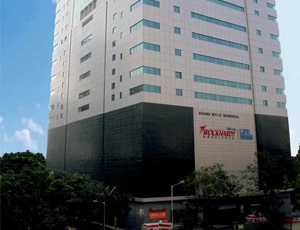
Wockhardt Hospital - A new Age Hospital
Mumbai, India
Wockhardt Hospital - A New Age Hospital located in Mumbai, India is accredited by NABH. Also listed below are some of the most prominent infrastructural details:
- 20-storeyed building at Mumbai Central (South Mumbai)
- Capacity of 350-beds
- Two highly-advanced cath labs with ultra-modern technologies to perform high risk coronary procedures and neurological surgeries
- 8 Operation Theatres- Cardiac, Joint Replacement, Neurology, Oncology, MAS and Organ Transplantation
- 100 beds dedicated to Critical Care, which are connected to IntelliSpace Critical Care & Anaesthesia (ICCA) system
- Largest Paediatric Cardiac Unit
- It has the largest Intelligent ICCA System
- Possess Hi-tech GPS-enabled Ambulances and largest state-of-the-art Accident & Emergency unit in South Mumbai
- As far as accommodation facility is considered, the Hospital makes it easily accessible for the patients in nearby hotels/lodges
Our Services to better your experience
Opinion & Option
We submit the most accurate opinion and options from one or more countries for your review
Consult Privately
Consult with a certified specialist privately on our telemedicine platform even before you decide to travel
Logistics
We handle flights, visas, transfers, and accommodation—so you can focus on your health.
Recovery
Our In-house rehabilitation service packages to better your recovery and treatment outcome
Why Choose India for Arrhythmias Treatment?
Here are some of the reasons for choosing India:
- Due to advancements in medical facilities, such as minimally invasive surgical techniques.
- World-class experts include highly experienced doctors, JCI, and NABH-accredited healthcare institutions.
- Compared to other countries, treatment in Indian hospitals is cost-effective.
- Indian hospitals provide International patient services, including a multilingual support system.
- Improved treatment methods and biological therapies.
Frequently Asked Questions
Your cardiac arrhythmia type will determine whether you have mild, severe, or no symptoms.
Some people require medication or a procedure, but you might not need therapy.
Many people can lead full lives after receiving therapy for cardiac arrhythmias.
Some individuals with more severe arrhythmias may or may not survive a cardiac arrest.
India has a good success rate for treating arrhythmias, with modern treatments including pacemaker implantation, catheter ablation, and sophisticated medications producing favorable results.
Many patients quality of life is enhanced by procedures like catheter ablation, which hospitals in India record success rates of over 85–90% for, particularly for common arrhythmias like atrial fibrillation.
Yes, several leading hospitals in India are equipped with cutting-edge technology for treating arrhythmias. These hospitals utilise advanced diagnostic tools such as ECGs, 3D mapping systems, and electrophysiological studies to accurately diagnose arrhythmias.
Additionally, they offer innovative treatments like catheter ablation and pacemaker implantation, all performed by highly skilled cardiologists and electrophysiologists, ensuring optimal outcomes for patients.
They can be life-threatening depending on their type and severity. However, most arrhythmias, for instance, atrial fibrillation, do not pose a direct risk of causing death but instead increase the risk of complications, such as stroke, so immediate treatment is necessary for proper management of the condition.
Arrhythmias that are harmless disappear and reappear depending on what causes them. But those with other kinds of arrhythmias, particularly those that increase the risk of cardiac arrest, require lifelong care.
Knowing how to take your pulse could be helpful if you have a heart arrhythmia. The number of times your heart beats in a minute is known as your pulse rate. Each person has a different pulse rate. At rest, your pulse is slower, and during exercise, it is faster. The normal range for a resting heart rate is 60–100 beats per minute. . Your heart rate can be monitored via a smartwatch or fitness tracker.
Additionally, you should ensure that your loved ones are aware of the signs of your arrhythmia. If they learn how to perform CPR, it can help you feel more at ease.
You should minimise your intake of coffee and alcohol if you have an arrhythmia. Arrhythmias can be caused by either of these.
The frequency of your visits will be determined by your provider. If your symptoms worsen or become more frequent between visits, give them a call.Regular follow-up appointments with your provider are necessary to:
- Verify the effectiveness of your arrhythmia therapy.
- Make the right medication adjustments.
- Assess the effectiveness of any implanted devices.
- Verify that you are remaining healthy and that you are not experiencing any other health problems.

Reviewer
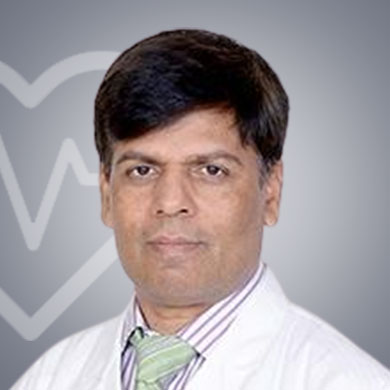
Dr. Nityanand Tripathi
Interventional Cardiologist
29 Years of Experience
With a rich experience of more than 29 years, Dr. Nityanand has gained a vast spectrum of skills and expertise in performing all types of complex cardiac procedures. He is an expert in clinical & interventional cardiology and electrophysiology. He studied his medicine (MBBS) and MD from the Institute of Medical Sciences of Banaras Hindu University, Varanasi, and later completed his DM in Cardiology from the prestigious King George Medical University, Lucknow. View More
Last Reviewed - January 2026