38 Specialists
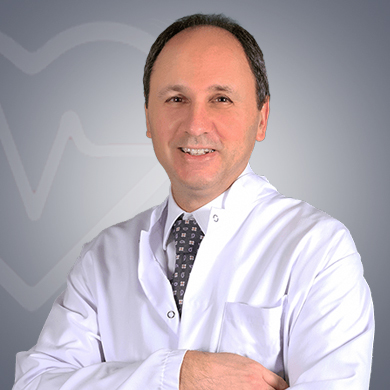
Dr. Siret Ratip
Acibadem Altunizade Hospital, Turkey, Istanbul
Hematologist • 37 years experience
Turkish EnglishSiret Ratip, 2000 Marmara University Faculty of Medicine , is a Hematologist based in Istanbul, Turkey. The doctor has 37 years of professional experience. Siret Ratip areas of expertise include Sickle Cell Disease, Orthopedic Conditions, Lymphoma, Hematological Disorders, Aplastic Anemia.
Work Experiences
- 2002 Acibadem Saglik Grubu
- 2000 Marmara Universitesi Tıp Fakultesi Hastanesi
- 1998 Marmara Universitesi Tıp Fakultesi Hastanesi
- 1996 - 1996 University College Hospital, Londra, Hemotoloji Doktorası
- 1996 - 2002 Marmara Universitesi Tıp Fakultesi
- 1996 University College Hospital
- 1995 - 1998 Marmara Universitesi Tıp Fakultesi Hastanesi
- 1994 - 1995 University College Hospital, Londra
- 1994 - 1995 University College Hospital
- 1993 - 1993 Mastır Klinik Genetik, Institute of Child Health, Londra
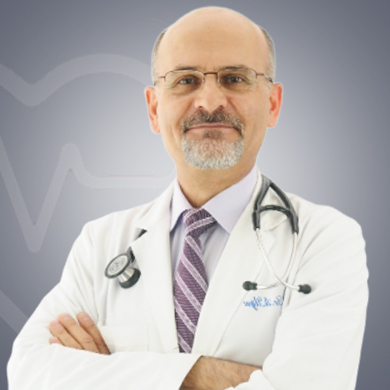
Ali Ugur Ural, Education Abroad- Karolinska Institute, Hematology Department, Stocholm Education Abroad- Memorial Sloan-Kettering Cancer Center, New York Specialization Training- Gulhane Military Medical Academy, Department of Internal Medicine and Hematology Medical School - Gazi University Faculty of Medicine, Gulhane Military Medical Faculty, is a Hematologist based in Ankara, Turkey. The doctor has 28 years of professional experience. Ali Ugur Ural areas of expertise include Hematological Disorders, Multiple Myeloma, Various Autoimmune Diseases, Neuromuscular Disorders, Sickle Cell Disease.
Work Experiences
- Gulhane Military Medical Academy 2004-2012
- Gulhane Military Medical Academy 1998-2004
- Gulhane Military Medical Academy 1996-1998
- Gulhane Military Medical Academy 1993-1995
- Girne Military Hospital 1992-1993
- Gulhane Military Medical Academy 1988-1992
- Chief Medical Officer, Military Academy 1986-1988
- Gulhane Military Medical Academy 1985-1986
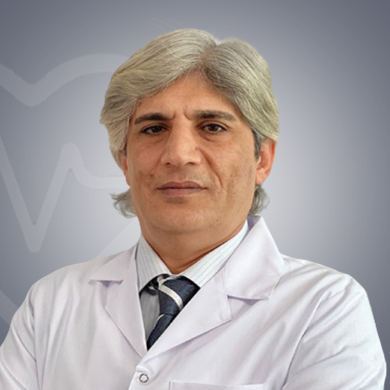
Dr. Abdullah Altintas
Medicana Bahcelievler Hospital, Turkey, Istanbul
Hematologist • 29 years experience
Turkish EnglishAbdullah Altintas, Bursa Uludag University School of Medicine (1995), is a Hematologist based in Istanbul, Turkey. The doctor has 29 years of professional experience. Abdullah Altintas areas of expertise include Aplastic Anemia, Spinal Injury, Multiple Myeloma, Orthopedic Conditions, Sickle Cell Disease.
Work Experiences
- Dicle University, Faculty of Medicine
- Van Education Research Hospital
- Diyarbakir Memorial Hospital
- Bahcelievler Medicana Hospital
Do you know?
Using MediGence’s Telemedicine Platform, you can book a personalized video consultation with renowned doctors around the world

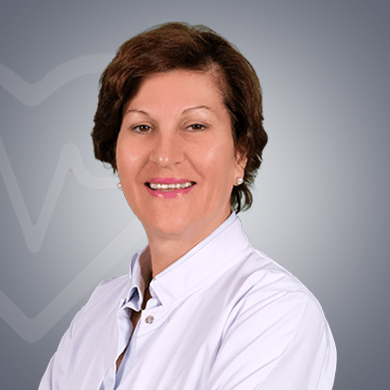
Dr. Inci Ayan
Acibadem Maslak Hospital, Turkey, Istanbul
Hematologist • 46 years experience
Turkish EnglishInci Ayan, 1991 Istanbul University Oncology Institute / Associate Professor, is a Hematologist based in Istanbul, Turkey. The doctor has 46 years of professional experience. Inci Ayan areas of expertise include Aplastic Anemia, Acute Myelogenous Leukemia (AMI), Thalassemia, Spinal Injury, Hematological Disorders.
Work Experiences
- 2008 - 2008 Istanbul University Cerrahpasa Faculty of Medicine Department of Pediatric Health and Diseases Pediatric Hematology-Oncology Department
- 2002 - Currently Acibadem Health Group
- 1998 Istanbul Un. Oncology Institute Pediatric Oncology Department
- 1994 - 2001 Istanbul Un. Oncology Institute Pediatric Oncology Department
- 1994 - 1995 Pittsburg University Childrens Hospital of Pittsburg, Peripheral Stem Cell Transplantation and Clinical Laboratory
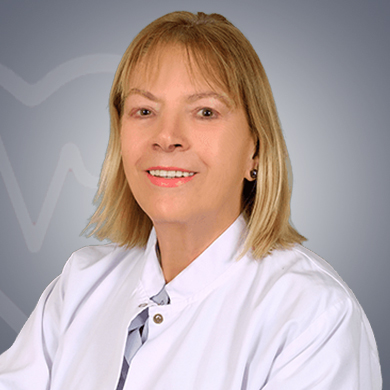
Dr. Leyla Agaoglu
Acibadem Fulya Hospital, Turkey, Istanbul
Hematologist • 47 years experience
Turkish EnglishLeyla Agaoglu, 1997 Istanbul Universitesi Istanbul Tip Fakultesi Cocuk Hematolojisi ve Onkolojisi, is a Hematologist based in Istanbul, Turkey. The doctor has 47 years of professional experience. Leyla Agaoglu areas of expertise include Lymphoma, Acute Myelogenous Leukemia (AMI), Multiple Myeloma, Spinal Injury, Aplastic Anemia.
Work Experiences
- 2007 Acibadem Saglik Grubu
- 1997 - 2013 Istanbul Universitesi Istanbul Tip Fakultesi Cocuk Sagligi ve Hastaliklari, Hematoloji /Onkoloji Bilim Dali / Ogretim Uyesi
- 1994 - 1997 Istanbul Universitesi Istanbul Tip Fakultesi Cocuk Sagligi ve Hastaliklari, Hematoloji ve Onkoloji Bilim Dali / Baskan
- 1987 - 1988 Chicago Universitesi Pediatrik Kemik Iligi Transplantasyonu Unitesi / Fellow
- 1985 - 1993 Istanbul Universitesi Onkoloji Enstitusu Pediatrik Onkoloji Bilim Dali / Baskan
- 1982 - 1986 Istanbul Universitesi Istanbul Tip Fakultesi Cocuk Sagligi ve Hastaliklari Hematoloji ve Onkoloji Bilim Dali / Baskan
- 1979 - 1981 Chicago Universitesi Pediatrik Hematoloji ve Onkoloji Bilim Dali / Fellow
- 1973 - 1979 Istanbul Universitesi Istanbul Tip Fakultesi Cocuk Sagligi ve Hastaliklari Anabilim Dali / Uzman
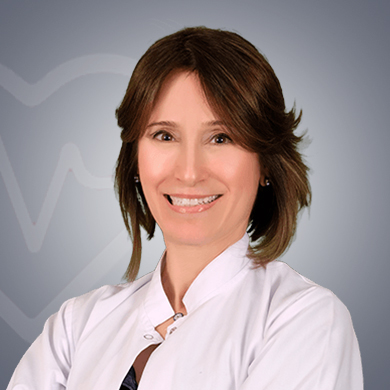
Dr. Ece Cetin
Acibadem International Hospital, Turkey, Istanbul
Hematologist • 24 years experience
Turkish EnglishEce Cetin, 1996 Istanbul Universitesi Cerrahpasa Tip Fakultesi Cocuk Sagligi ve Hastaliklari, is a Hematologist based in Istanbul, Turkey. The doctor has 24 years of professional experience. Ece Cetin areas of expertise include Acute Myelogenous Leukemia (AMI), Multiple Myeloma, Sickle Cell Disease, Acute Lymphocytic Leukemia, Neuromuscular Disorders.
Work Experiences
- 1996 Acibadem Saglik Grubu
- 1992 - 1996 Istanbul Universitesi Cerrahpasa Tip Fakultesi, Pediatri Asistanligi
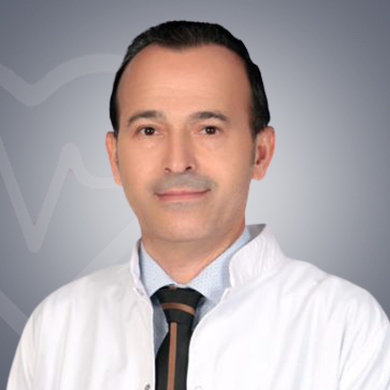
Dr. Mehmet Akin
Medical Park Goztepe Hospital, Turkey, Istanbul
Hematologist • 46 years experience
Turkish EnglishMehmet Akin, 1985 - 1991 Istanbul University Cerrahpasa Faculty of Medicine, is a Hematologist based in Istanbul, Turkey. The doctor has 46 years of professional experience. Mehmet Akin areas of expertise include Hematological Disorders, Neuromuscular Disorders, Spinal Injury, Congenital Neutropenia, Multiple Myeloma.
Work Experiences
- 1992 - 1997 Zeynep Kamil Obstetrics and Children's Hospital Assistant Child Health and Diseases
- 2006 - 2009 Ege University Faculty of Medicine Associate Professorship In The Department of Child Hematology Experience
- 1991 - 1992 Gumushacikoy-Amasya General practitioner
- 1998 - 1999 Ankara Gata Children Aslieutenantlik
- 2000 - 2005 Istanbul Haydarpasa Numune Hospital Pediatric Health and Diseases Clinic Specialist.
- 2014 Pediatric Hematology Specialist at Denizli State Hospital
- 2014 - 2017 Pamukkale University Pediatric Hematology Science Associate Professor.Dr. Ogretim Officer
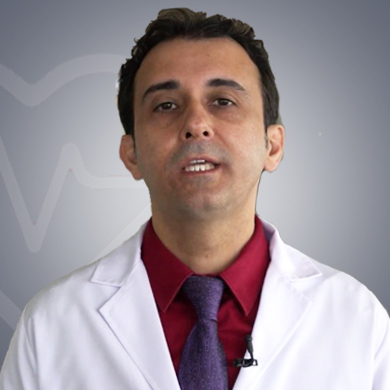
Dr. Omer Onder Savas
Medicana Bursa Hospital, Turkey, Bursa
Hematologist • 20 years experience
Turkish EnglishOmer Onder Savas, Marmara University School of Medicine (1994) , is a Hematologist based in Bursa, Turkey. The doctor has 20 years of professional experience. Omer Onder Savas areas of expertise include Orthopedic Conditions, Congenital Neutropenia, Thalassemia, Acute Lymphocytic Leukemia, Hematological Disorders.
Work Experiences
- Internal Medicine Specialization Training (2005-2010)
- Compulsory Military Service (2010-2011)
- Hematology Specialization Training (2011-2014)
- Hematologist at Corum Research and Education Hospital (2015-2017)
- Faculty Member, Hitit University (2017-2019)
How it Works
- Choose the doctor/doctor type
- Book a Slot based on availability
- Fill in your personal details (Name, Phone Number, Symptoms)
- Make online payment via payment gateway
- Our patient care team will assist you in getting in touch with the doctor in the meeting room
What do we recommend?
Please make sure to see your doctor using Telemedicine before you even board a flight