Your Notifications
All done, no notifications

2 Specialists

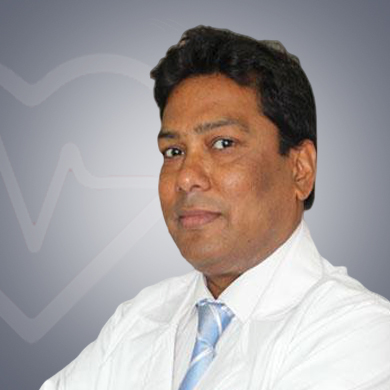
Dr. Sunil Kumar Swain

Pediatric Cardiac Surgeon

, Hyderabad, India

25 Years of experience

Speaks: Telugu , English


Dr Sunil Kumar Swain is one of the top Pediatric Cardio Thoracic Surgeon in Hyderabad, India. The clinician holds over 17 years of experience and is associated with Apollo Hospitals.

Dr. B R Jagannath

Pediatric Cardiac Surgeon

, Hyderabad, India

41 Years of experience

Speaks: Telugu , English


Dr B R Jagannath is one of the foremost Pediatric Cardio Thoracic Surgeon in Hyderabad, India. The doctor holds over 38 years of experience and is associated with Star Hospitals.

Frequently Asked Questions
Who are the top Pediatric CTVSs in Hyderabad, India offering online consultation?

Given below are some of the most sought after Pediatric CTVSs available for online consultation in Hyderabad, India:

Which are some of the best hospitals Pediatric CTVSs in Hyderabad, India are associated with?

Given below are some of the most popular hospitals in Hyderabad, India where Pediatric CTVSs work:

Which are some of the procedures performed by Pediatric CTVSs in Hyderabad, India?

Some of the most popular procedures performed by pediatric ctvss in Hyderabad are:

Which are some of the conditions treated by Pediatric CTVS in Hyderabad, India?

Check out the conditions performed by pediatric ctvss in Hyderabad, India:

  • Patent Ductus Arteriosus
  • Hypoplastic Left Heart Syndrome
  • Tetralogy of Fallot
  • Atrial Septal Defect
What are the qualifications of a Pediatric CTVS?

Candidates aspiring to become a Pediatric CTVSmust have a 5½ years MBBS degree followed by 2 to 3 years MS course.

Cardiothoracic surgeons would graduate from medical school and complete general surgery residency followed by a 2- or 3-year cardiothoracic surgery residency program, or complete integrated cardiothoracic surgery residency.

Some cardiothoracic surgeons prefer to do additional training in a subspecialized area. However, this training is optional with the exception of congenital heart surgery, which includes completion of a one-year fellowship.

What conditions do Pediatric CTVS treat?

Some conditions treated by pediatric CTVS are:

  • Tetralogy of Fallot
  • Atrial Septal Defect
  • Patent Ductus Arteriosus
  • Hypoplastic Left Heart Syndrome
  • Ventricular Septal Defects
  • Coarctation of the Aorta
  • Single Ventricle Disease
What diagnostic tests are required by Pediatric CTVS?

Your Pediatric CTVSmay order some medical tests to help find out what heart condition you are suffering from. Some of these tests are explained below.

  • Nuclear cardiac stress test: This is also called an ‘exercise thallium scan’ or an ‘exercise nuclear scan’.
  • Coronary angiogram: A coronary angiogram may be done after angina or a heart attack.
  • Electrocardiogram (ECG): An ECG measures your heart’s electrical impulses and indicates heart health.
  • Echocardiogram: It is a common test that gives a picture of the heart using ultrasound.
  • Coronary computed tomography angiogram (CCTA): It is a specialized type of computed tomography (CT) scan that is used to help diagnose coronary artery disease.
  • Magnetic resonance imaging (MRI): It shows the structure of your heart and how it is working, so the best treatment can be decided for you.
When should you visit a Pediatric CTVS?

There are many signs and symptoms of congenital CTV disease in children. You need to see a Pediatric CTVS if you see the below-listed signs and symptoms:

  • Difficulty feeding
  • Fatigue
  • Blue colour around the lips and blue skin
  • Shortness of breath
  • Pale skin
  • Poor growth
  • Weakened pulse
  • Weakened grip
  • Sudden pains in neck or shoulders
  • Chest pain
  • Shortness of breath
  • Rapid or irregular pulse
  • Pain in the jaw, neck, upper back
  • Nausea or vomiting
  • Dizziness or fainting
  • Unexplained weakness or fatigue
  • Difficulty swallowing
  • Heart palpitations
  • Anxiety
What can you expect from your first visit with a Pediatric CTVS?

A Pediatric CTVScan help find out the cause of symptoms and develop a treatment plan for both complex and common neurological conditions. During a neurological exam, various instruments may be used to evaluate the cardiothoracic system.

A Pediatric CTVS will ask about your complete health history. They will conduct a physical exam to test your cardiothoracic system.

In addition to tests and physical exams, you could get a lot of information at your first appointment. You may need to bring a family member or friend along with you. The person you bring can help ask questions, listen, and take notes.

Which are the most common procedures performed by a Pediatric CTVS?
  • SD/VSD Surgical Closure
  • Coarctation of the Aorta Repair
  • Fontan Operation
  • Hypertrophic Cardiomyopathy Repair
  • Heart Valve Repair and Replacement
  • Bicuspid Aortic Valve Repair
  • Blalock-Taussig Shunt
  • Norwood Procedure
  • PDA Surgical Closure
  • Ross Procedure
  • Hypoplastic Left Heart Syndrome Repair
  • Mitral Stenosis Repair
  • Mitral Valve Prolapse Repair

FAQs related to India