Your Notifications
All done, no notifications

Top Heart Specialist in Herzliya: Online Consultations

Explore trusted hospitals and care options, or get personalised support to find a suitable option based on your treatment needs, preferences, and budget.

4
Verified Doctors
1,00,000+
Global Patients Assisted
Enquire Now
+
JCI/ISO 100,000+ Patients 24X7 Coordinator Visa & Travel handled

Our Platform Features
100,000+
Consultations Completed
HIPAA
Compliant Secure & Encrypted
24-48 Hours
Expert Medical Opinion
End-to-End Support
Dedicated Care Manager
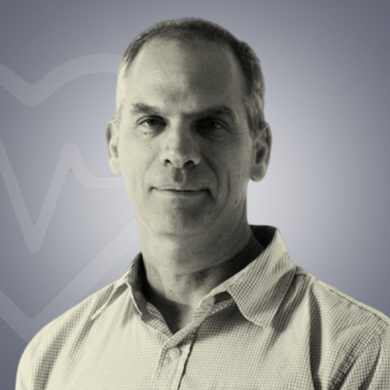
Dr. Michael Yonash

, Israel, Herzliya

Cardiologist • 20 years experience

English Hebrew
View Telemedicine Doctors

Michael Yonash, Graduate, Hadassah Medical School Ein Kerem, Jerusalem , is a Interventional Cardiologist based in Herzliya, Israel. The doctor has 20 years of professional experience. Michael Yonash areas of expertise include Cardiac Arrhythmias, Coronary Artery Disease, Bradycardia, Blocked Arteries, Atherosclerosis.

Work Experiences

  • Head of the Structural Heart Disease Unit - Catheterization, Heart Institute, Kaplan Hospital
  • Senior Cardiologist in the Invasive Cardiology Unit, Heart Institute, Kaplan Hospital
Dr. Ram Sharoni

, Israel, Herzliya

Cardiac enterologist • 15 years experience

Hebrew English
View Telemedicine Doctors

Ram Sharoni, Graduated from Ben-Gurion University, MD, is a Cardiac Surgeon based in Herzliya, Israel. The doctor has 15 years of professional experience. Ram Sharoni areas of expertise include False.

Work Experiences

  • Previously senior cardio-surgeon at Tel-Aviv Medical Center
  • Head of minimally invasive cardio-thoracic surgery, Rabin Medical Center
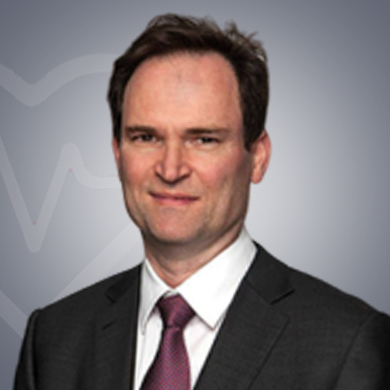
Dr. Ran Kornowski

, Israel, Herzliya

Cardiologist • 38 years experience

English Hebrew
View Telemedicine Doctors

Ran Kornowski, Graduate of the Medical Faculty of the Hebrew University, Jerusalem , is a Interventional Cardiologist based in Herzliya, Israel. The doctor has 38 years of professional experience. Ran Kornowski areas of expertise include Blocked Arteries, Bradycardia, Angina, Atherosclerosis, Coronary Artery Disease.

Work Experiences

  • Director of the Cardiology Center at Rabin Medical Center (Beilinson and Hasharon Hospitals)

Do you know?

Using MediGence’s Telemedicine Platform, you can book a personalized video consultation with renowned doctors around the world

Explore Telemedicine Platform

Featured Telemedicine Doctors

Dr. Dan Arvut

, Israel, Herzliya

Cardiac enterologist • 38 years experience

Hebrew English
View Telemedicine Doctors

Dan Arvut, Graduate of the Medical Faculty of the Hebrew University, Jerusalem, is a Cardiac Surgeon based in Herzliya, Israel. The doctor has 38 years of professional experience. Dan Arvut areas of expertise include False.

Work Experiences

  • 1988 - developed the Domino method for heart transplant (with prof. Magdi)
  • 1990-1992 - head of lung and heart transplant unit at Cambridge University Hospital, England
  • 1994 - performed the first transplant of an external artificial heart in Israel
  • 1992-2002 - founder and head of lung and heart transplant unit at Beilinson Medical Center, Israel
  • 2002-2013 - chief of cardiothoracic surgery department at Carmel Medical Center, Israel
  • 2006 - performed the first transplant of an internal artificial heart in Israel
  • Since 2013 - chief of cardiothoracic surgery complex at Beilinson Medical Center, Israel
  • Leading cardiosurgeon at Herzliya Medical Center
Frequently Asked Questions
Which are some of the best hospitals Heart Specialists in Herzliya, Israel are associated with?

Given below are some of the most popular hospitals in Herzliya, Israel where Heart Specialists work:

Who is a Heart Specialist?

A cardiologist or a heart specialist is a doctor who studies, diagnoses, and treats conditions of the cardiovascular system, i.e., the heart and blood vessels. Cardiologists are also qualified to treat heart attacks, arrhythmia, heart failure, heart valve disease, and high blood pressure.

To make a diagnosis, cardiologists may carry out physical exams, order tests like an electrocardiogram (EKG), blood tests, exercise stress tests, and interpret tests. They also prescribe medications and recommend lifestyle changes such as reducing stress levels, diet, exercise, and managing weight. Heart specialists or cardiologists can perform various procedures, such as inserting a cardiac catheter or implanting a pacemaker. Cardiologists may also teach at universities and conduct research within labs to develop new treatments.

Different types of heart doctors are:

  • Non-Invasive Cardiologist: A Non-Invasive Cardiologist focuses on various cardiology procedures that do not involve heart surgery. Most of their work includes performing cardiology consultations. Their responsibility is generally to help the patients in diagnosing, preventing, and managing any potential heart conditions.
  • Invasive Cardiologist: An Invasive Cardiologist’s responsibilities include everything that of a Non-Invasive Cardiologist. They are also trained in cardiac catheterization and many other minor procedures or surgeries.
  • Interventional Cardiologist: When a patient is needed to undergo more advanced procedures other than Invasive and Non-Invasive Cardiology, an interventional cardiologist can help with treatment.
  • Cardiac Surgeons: The sub-type of Invasive Cardiology is Cardiothoracic Surgery or Cardiac Surgery. A cardiac surgeon specializes in the treatment of heart diseases through surgery. Over their years of experience, they can get additional qualifications to become specialist cardiologists.
  • Electrophysiologist Cardiologist: The responsibilities of an Electrophysiologist Cardiologist include a number of tasks, including evaluating the heart’s bio-electrical impulses to get vital information about a patient’s cardiac health.
What are the qualifications of a Heart Specialist?

To become a heart specialist or cardiologist, you need to go through a long period of medical education for acquiring board certification and licensure. After completing 10+2 with PCB, a candidate can continue your further studies towards becoming a cardiologist.

These doctors have special training in the field of cardiology. Cardiologists have to complete MBBS before focusing on heart-related specialties.

A cardiologist undergoes many years of medical training. Basic steps to become a cardiologist are:

  • Gain a bachelor’s degree with MBBS after 10+2.
  • Get admission in a PG course like Doctor of Medicine (MD) in general medicine.
  • After finishing a three-year degree of MD, they pursue a super specialty course of 3-year DM in cardiology to become a cardiologist.
What conditions do Heart Specialist treat?

Some common cardiac conditions treated by a heart specialist are:

  • Congestive heart disease
  • High blood cholesterol and triglycerides
  • Hypertension
  • Atherosclerosis
  • Atrial fibrillation
  • Arrhythmias
  • Congenital heart disease
  • Pericarditis
  • Ventricular tachycardia
  • High blood pressure, or hypertension
  • Valvular Heart Disease
  • Peripheral Vascular Disease
  • Patent Foramen Ovale
  • Palpitations
  • Hypertrophic Cardiomyopathy
  • Myocardial Infarction
  • Chest pain
  • Atrial Septal Defect
  • Atrial Fibrillation / Atrial Flutter
What diagnostic tests are required by a Heart Specialist?

Your cardiologist may order some medical tests to help find out what heart condition you are suffering from. Some of these tests are explained below.

  • Electrocardiogram (ECG): An ECG measures your heart’s electrical impulses and indicates heart health.
  • Echocardiogram: It is a common test that gives a picture of the heart using ultrasound.
  • Nuclear cardiac stress test: This is also called an ‘exercise thallium scan’ or an ‘exercise nuclear scan’.
  • Coronary angiogram: A coronary angiogram may be done after angina or a heart attack.
  • Magnetic resonance imaging (MRI): It shows the structure of your heart and how it is working, so the best treatment can be decided for you.
  • Coronary computed tomography angiogram (CCTA): It is a specialized type of computed tomography (CT) scan that is used to help diagnose coronary artery disease.
When should you visit a Heart Specialist?

Called a silent killer, heart diseases often occur with no symptoms until a major health event like a heart attack or a stroke occurs. This is the reason why it’s important to assess your risk factors now to recognize the early signs and seek preventative treatment. The presence of any of the below nine factors may the reason to seek the help of a heart specialist or cardiologist:

  • Chest Discomfort
  • High Blood Pressure
  • High Blood Cholesterol
  • Preeclampsia
  • Family history with heart disease
  • Shortness of breath, dizziness, palpitations
  • Peripheral arterial disease
  • Swelling in the legs
  • Abnormally slow or fast heart rate
  • Leg pain or ulcers due to blood vessel diseases
What can you expect from your first visit with a Heart Specialist?

Your first appointment with a heart specialist will involve a check of your vitals, which is a non-invasive method to measure your heart’s electrical activity. Also, the clinical staff will note all details about your family and health history that a cardiologist or heart specialist should know.

Your cardiologist will thoroughly examine your heart health and might suggest some tests that can include urine or blood tests, an electrocardiogram (EKG), an PET, MRI, or CT scan, or a stress test. A heart specialist can diagnose any existing condition and determine future risks. They will also help create a routine that benefits your overall heart health and reduces your risk of developing heart conditions.

Which are the most common procedures performed by a Heart Specialist?

Below are somecommon procedures performed by a Heart Specialist:

  • Cardiac catheterization
  • Pulse palpation and auscultation
  • A cardiac stress test
  • Cardiac catheterization
  • Biventricular pacing
  • Pacemaker implantation
  • Rotational atherectomy
  • Percutaneous transluminal coronary angioplasty (PTCA)
  • Angioplasty and Stenting
  • Atherectomy
  • Embolic Protection
  • Percutaneous Valve Repair
  • Balloon Angioplasty
  • Percutaneous Coronary Intervention
  • Atherectomy
  • Stent Implantation
  • Patent Foramen Ovale Closure
  • Hypothermia/Intra-Aortic Balloon Pump
  • Coronary artery bypass graft
  • Minimally invasive heart surgery
  • Heart Transplant
  • Valvuloplasty
  • Valve repair
  • Valve replacement

FAQs related to Israel

Which are the most common Medical Specialities available in Herzliya, Israel