Your Notifications
All done, no notifications

Online Surgical Oncologist Consultations in Seoul

Explore trusted hospitals and care options, or get personalised support to find a suitable option based on your treatment needs, preferences, and budget.

8
Verified Doctors
1,00,000+
Global Patients Assisted
Enquire Now
+
JCI/ISO 100,000+ Patients 24X7 Coordinator Visa & Travel handled

Our Platform Features
100,000+
Consultations Completed
HIPAA
Compliant Secure & Encrypted
24-48 Hours
Expert Medical Opinion
End-to-End Support
Dedicated Care Manager
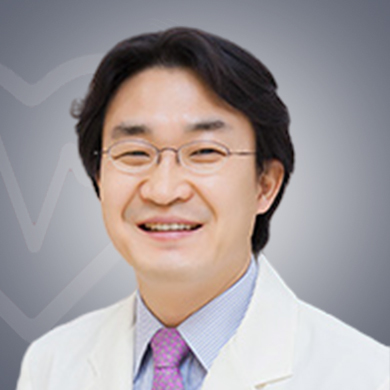
Dr. Lee Il Kyun

, South Korea, Seoul

Surgical Oncologist • 20 years experience

Korean English
View Telemedicine Doctors

Lee Il Kyun, M.D. Anderson Cancer Center, U.S., is a Surgical Oncologist based in Seoul, South Korea. The doctor has 20 years of professional experience. Lee Il Kyun areas of expertise include Pancreatic Cancer, Prostate Cancer, Lung Cancer, Ovarian Cancer, Cervical Cancer.

Work Experiences

  • Director,Breast Center, Mizmedi Hospital
  • Clinical Instructor,Gangnam Severance Hospital
  • Residency, Gangnam Severance Hospital
  • Internship, Yeouido St. Mary's Hospital
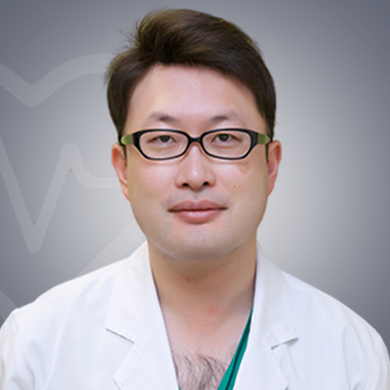
Dr. Dae Yeon Kim

, South Korea, Seoul

Obstetrics & Gynaecologist • 23 years experience

Korean English
View Telemedicine Doctors

Dae Yeon Kim, Seoul National University (Ph.D.), is a Gynecologist based in Seoul, South Korea. The doctor has 23 years of professional experience. Dae Yeon Kim areas of expertise include Polycystic Ovarian Syndrome (Pcos), Cervical Cancer, Ovarian Cancer, Endometriosis, Dysfunctional Uterine Bleeding (DUB).

Work Experiences

  • Professor of Obstetrics and Gynecology, Ulsan University School of Medicine
  • Massachusetts General Hospital Research Fellow
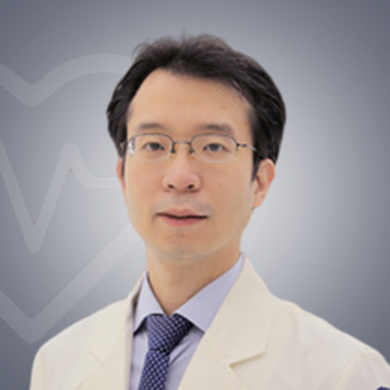
Dr. Chang Hyun

, South Korea, Seoul

Surgical Oncologist • 18 years experience

Korean English
View Telemedicine Doctors

Chang Hyun, Medical Graduate, is a Surgical Oncologist based in Seoul, South Korea. The doctor has 18 years of professional experience. Chang Hyun areas of expertise include Breast Cancer, Ependymomas, Skin Cancer, Pancreatic Cancer, Colorectal or Colon Cancer.

Work Experiences

  • Vice Director, Patient-focused Cancer Treatment Hospital, Catholic Kwandong Univ. Intl. St. Mary's Hospital
  • Associate Professor, Catholic Kwandong Univ. Intl. St. Mary's Hospital(2017)
  • Professor, Seoun National University Bundang Hospital(2012-2014)

Do you know?

Using MediGence’s Telemedicine Platform, you can book a personalized video consultation with renowned doctors around the world

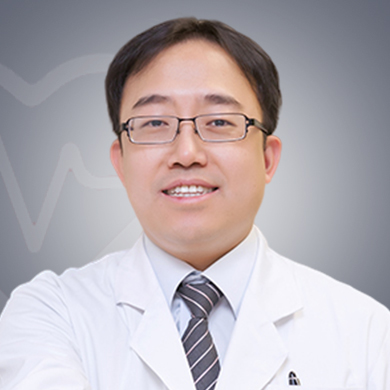
Explore Telemedicine Platform

Featured Telemedicine Doctors

Dr. Jeong-Yeol Park

, South Korea, Seoul

Obstetrics & Gynaecologist • 24 years experience

Korean English
View Telemedicine Doctors

Jeong-Yeol Park, M.D. from Gyeongsang University Medical College, Korea, is a Gynecologist based in Seoul, South Korea. The doctor has 24 years of professional experience. Jeong-Yeol Park areas of expertise include Ovarian Cancer, Cervical Cancer.

Work Experiences

  • Internship at the College of Medicine - University of Ulsan, Asan Medical Center, Seoul, Korea
  • Residency at the Department of Obstetrics and Gynecology College of Medicine - University of Ulsan, Asan Medical Center, Seoul, Korea
  • Public Health Care Doctor at Division of Gynecologic Oncology - Department of Obstetrics and Gynecology, Center for Uterine Cancer, National Cancer Center, Research Institute and Hospital, Korea
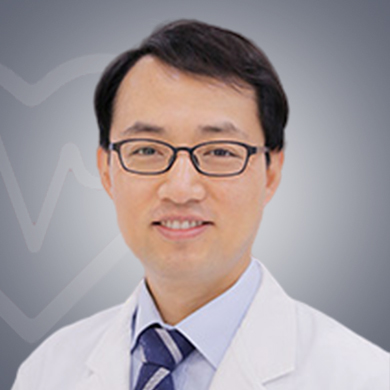
Dr. Kim Bo Wook

, South Korea, Seoul

Surgical Oncologist • 12 years experience

Korean English
View Telemedicine Doctors

Kim Bo Wook, Medical graduate, is a Surgical Oncologist based in Seoul, South Korea. The doctor has 12 years of professional experience. Kim Bo Wook areas of expertise include Mixed Gliomas, Prostate Cancer, Colorectal or Colon Cancer, Meningiomas, Oligodendrogliomas.

Work Experiences

  • Assistant Professor, Hallym University College of Medicine
Dr. Kyung Hae Jung

, South Korea, Seoul

Surgical Oncologist • 24 years experience

Korean English
View Telemedicine Doctors

Kyung Hae Jung, 1998 to 2005 Seoul National University (Ph.D.), is a Surgical Oncologist based in Seoul, South Korea. The doctor has 24 years of professional experience. Kyung Hae Jung areas of expertise include Skin Cancer, Mixed Gliomas, Stomach Cancer, Meningiomas, Ependymomas.

Work Experiences

  • 2014 to present Professor, Seoul Asan Hospital
  • 2008 to 2008 Visit doctor at the Dana-Farber Cancer Institute in Boston, USA
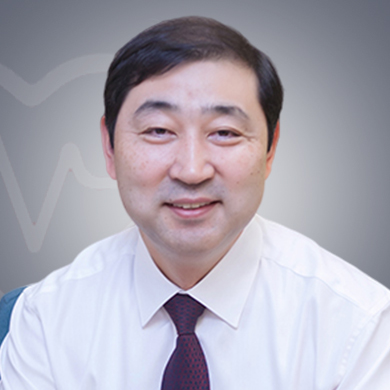
Dr. Kim Yong Man

, South Korea, Seoul

Surgical Oncologist • 25 years experience

Korean English
View Telemedicine Doctors

Kim Yong Man, 1995 to 1997 Kyung Hee University (Ph.D.), is a Surgical Oncologist based in Seoul, South Korea. The doctor has 25 years of professional experience. Kim Yong Man areas of expertise include Cervical Cancer, Ovarian Cancer, Ependymomas, Pancreatic Cancer, Brain Cancers- Astrocytoma.

Work Experiences

  • 2016 to present | Clinical Division of Obstetrics and Gynecology, Seoul Asan Hospital
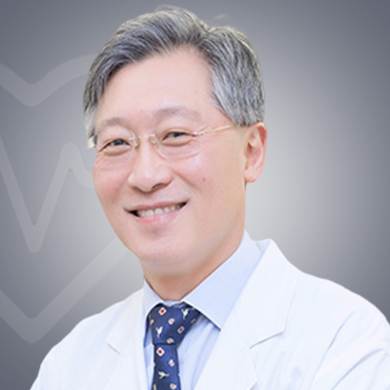
Dr. Hanjong Ahn

, South Korea, Seoul

Urologist • 20 years experience

Korean English
View Telemedicine Doctors

Hanjong Ahn, Doctor of Medicine : Seoul National University, is a Urosurgeon based in Seoul, South Korea. The doctor has 20 years of professional experience. Hanjong Ahn areas of expertise include Benign Prostatic Hyperplasia, Colorectal or Colon Cancer, Male Sterilization or Contraception, Prostate Cancer, To restore Fertility in Males.

Work Experiences

  • Visiting Scholar at Northwestern University, Chicago, USA
  • Clinical Instructor, Assistant Professor, Associate Professor, Professor in Urology, UUCM AMC
  • Residency in Urology, Seoul National University Hospital
Frequently Asked Questions
Which are some of the best hospitals Surgical Oncologists in Seoul, South Korea are associated with?

Given below are some of the most popular hospitals in Seoul, South Korea where Surgical Oncologists work:

Which are some of the conditions treated by Surgical Oncologist in Seoul, South Korea?

Check out the conditions performed by surgical oncologists in Seoul, South Korea:

  • Brain Cancers- Astrocytoma
  • Pancreatic Cancer
  • Acoustic Neuroma
  • Cervical Cancer
  • Kidney Cancer
  • Brain Tumor - Glioblastoma
  • Ovarian Cancer
  • Brain Tumor
  • Uterine cancer
  • Stomach Cancer
  • Skin Cancer
  • Oligodendrogliomas
  • Larynx Cancer
  • Colon Cancer and Bowel Diseases
  • Brain Abscess
  • Pancreatic or Duodenal Trauma
  • Pituitary Adenoma
  • Lung Cancer
  • Chronic Pancreatitis
  • Breast Cancer
  • Ependymomas
  • Meningioma
  • Crohn's Disease Or Severe Diverticulitis
  • Primitive Neuroectodermal Tumors
  • Cerebral Edema
  • Pancreatic Head Cancer
  • Glioma
  • Brain Infection
  • Arteriovenous Malformation
  • Mixed Gliomas
  • Prostate Cancer
  • Astrocytoma
  • Oral or Mouth Cancer
  • Meningiomas
  • Aneurysm
  • Colorectal or Colon Cancer
  • Traumatic Head Injury
  • Brain Cancers
Who is a Surgical Oncologist?

Surgical oncologists are also general surgeons with training in procedures for diagnosing, staging (finding the stage of cancer), and removing any cancerous growths. The most common procedures done by a surgical oncologist are surgery for cancerous growth removal and biopsies. These surgeons can also perform surgery to find the stage of cancer and determine the areas cancer has spread. Under some circumstances, surgical oncologists might also do preventive surgeries. In some specific cases, surgery might be the only treatment you may need. In other cases, you may have surgery as well as get additional treatments like chemotherapy or radiation. In such cases, a surgical oncologist might be an important part of the cancer care team.

To diagnose cancer, a surgical oncologist can perform biopsies. Biopsy procedures might include:

  • Needle biopsies like fine-needle aspiration and core biopsies
  • Abdominal surgery/laparotomy
  • Laparoscopic or endoscopic (surgery using a scope)
  • Excisional (removing a suspicious area, like a mole/tumor)
  • Skin biopsy
  • Incisional (removing a portion of the suspicious area)

After a biopsy, a surgical oncologist will send all tissue samples to a pathologist, who looks for cancer cells. In case cancer is present, you can see a surgical oncologist again to have a tumor removed. A surgical oncologist might also choose to do a staging surgery to determine the size of a tumor and find if cancer has spread.

What are the qualifications of a Surgical Oncologist?

Surgical oncologists are medical doctors who are trained in surgery with a focus on cancer treatments and diagnosis. Similar to other types of surgeons and doctors, surgical oncologists complete medical school as well as pass an exam to practice medicine.

Becoming a surgical oncologist involves the below educational steps:

  • Obtain five-and-half-year MBBS degree
  • Complete MS course.
  • Finish a residency in general surgery
  • Optionally compete General Surgery Certifying Examination
  • Pursue a fellowship in surgical oncology
  • Some surgical oncologists prefer to specialize in their area with additional research into specific types of cancer, such as skin, gynecological, or gastrointestinal. A surgical oncologist’s specialties could also be in particular age groups, like pediatrics.
What conditions do Surgical oncologists treat?

Surgical oncologists treat a wide variety of conditions as given below:

  • Ovarian Cancer
  • Brain Tumor
  • Uterine cancer
  • Stomach Cancer
  • Skin Cancer
  • Brain Cancers
  • Brain Tumor
  • Larynx Cancer
  • Pancreatic Cancer
  • Acoustic Neuroma
  • Cervical Cancer
  • Kidney Cancer
  • Brain Abscess
  • Pancreatic/Duodenal Trauma
  • Pituitary Adenoma
  • Meningioma
  • Crohn's Disease
  • Lung Cancer
  • Chronic Pancreatitis
  • Breast Cancer
  • Ependymomas
  • Primitive Neuroectodermal Tumors
  • Pancreatic Head Cancer
  • Arteriovenous Malformation
  • Mixed Gliomas
  • Prostate Cancer
  • Mouth Cancer
  • Meningioma
  • Aneurysm
  • Colon Cancer
  • Traumatic Head Injury
  • Brain Cancers
What diagnostic tests are required by Surgical Oncologist?

Different diagnostic tests are recommended by a surgical oncologist to detect cancer. Depending on the symptoms you have, you may have other tests, too. Some common tests are:

  • CT scan
  • MRI
  • Nuclear scan
  • Bone scan
  • PET scan
  • Ultrasound
  • X-ray
  • Biopsy
When should you visit a Surgical Oncologist?

You might see a surgical oncologist if you have a tumor. If a primary care doctor suspects you have cancer, they may refer you to a surgical oncologist for biopsy. If you have been already diagnosed with cancer, the doctor might refer you to a surgical oncologist to get advice on your cancer treatment.

Consult a surgical oncologist if you experience any of the below-given signs and symptoms:

  • Unexplained weight change
  • Persistent cough
  • Skin changes
  • Neurological issues
  • Lumps and bumps
  • Breast changes
  • Chronic headache
  • Difficulty swallowing
  • Excessive bruising
  • Fatigue
  • Stomach pain or nausea
  • Postmenopausal bleeding
What can you expect from your first visit with a Surgical Oncologist?

When a patient visits for the first consultation, a surgical oncologist will perform a thorough examination. The oncologist will ask various questions and also review the patient’s health history. It will include an assessment of all the tests and scans the person may have had beforehand. Besides this, the oncologist can design a treatment plan that suits the patient.

The surgical oncologist plays an important role in the patient’s welfare and ensures the patient feels comfortable. They will hear the patient’s concerns and answer all questions the patient may have about the treatment and procedures. Both will have a detailed conversation about the patient’s needs. They may also discuss any fears and anxiety the patient may have.

Which are the most common procedures performed by a Surgical Oncologist?

Surgical procedures used will differ based on the purpose of the surgical procedures and the area of the body and the size of the tissues affected. A surgical oncologist can perform open surgery or minimally invasive procedures as listed below:

  • Laparoscopy
  • Microscopically controlled surgery
  • Cryosurgery (freezing of cells and skin)
  • Robotic surgery
  • Appendectomy
  • Bowel resection
  • ERBEJET2
  • Flex Robotic System
  • HIPEC Treatment
  • Vascularized lymph node transfer surgery
  • Lymphaticovenular bypass surgery
  • PneumonectomyRobotic surgery (da Vinci Surgical System)
  • Thoracotomy
  • Thyroidectomy
  • Tracheoesophageal puncture
  • Video-assisted thoracoscopic surgery
  • Laser surgery
  • Hyperthermia (heating of tissue)

FAQs related to South Korea