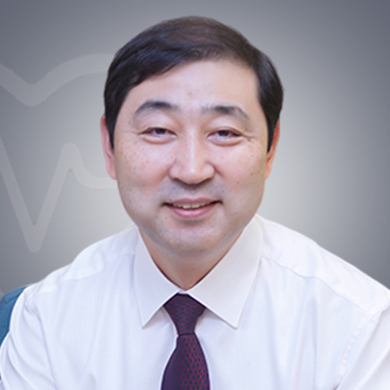
Condition Treated by Dr. Kim Yong Man
Here is the list of some of the conditions Dr Kim Yong Man treats:
- Cervical Cancer
- Ovarian Cancer
- Ependymomas
- Pancreatic Cancer
- Brain Cancers- Astrocytoma
- Oligodendrogliomas
- Colorectal or Colon Cancer
- Prostate Cancer
- Mixed Gliomas
- Skin Cancer
- Meningiomas
- Stomach Cancer
- Lung Cancer
- Primitive Neuroectodermal Tumors
- Oral or Mouth Cancer
- Breast Cancer
Breast cancer surgery is performed to remove the specific area of cancer in the breasts. The surgeon removes cancer and healthy tissues all around it. You usually have to undergo radiotherapy for the breast after this kind of surgery.
Signs and Symptoms treated by Dr. Kim Yong Man
Your symptoms depend on the type of cancer you are affected with, what is the stage, the location of cancer, and how far it has spread in the body. Cancer may cause any type of symptoms or signs. A sign can be seen by others, such as a fever, vomiting, and breathing. Symptoms can be perceived only by the person is suffering from the condition. Around 200 types of cancer are known till date and all these can cause different symptoms. Cancer can produce the below-listed conditions However, symptoms might vary from person to person. Every condition has its symptoms:
- Shortness of breath
- Hoarseness
- A new cough that doesn't go away
- Bone pain
- Headache
- Coughing up blood, even a small amount
- Losing weight without trying
- Chest pain
Operating hours of Dr. Kim Yong Man
Dr Kim Yong Man is available for consultation from 11 am to 6 pm (Monday to Saturday). The doctor’s clinic is closed on Sunday.
Procedures performed by Dr. Kim Yong Man
The below-listed popular procedures for cancer treatment are performed by Dr. Kim Yong Man
- Cervical Cancer Treatment
- Ovarian Cancer Treatment
The surgical oncologist can perform even the most complicated cases with ease. The doctor has reported a high success rate in performing various procedures with high precision and accuracy. The doctor also holds a rich experience in handling complex cases with ease. The specialist is proficient in using the latest techniques to perform the procedures. There are two types of cancer surgery - minimally invasive surgery and open surgery. In open surgery, a surgical oncologist makes a large incision, to remove the tumor and some of the adjacent healthy tissues. Minimally invasive surgery involves laser surgery, cryosurgery, robotic surgery, laparoscopy, cryosurgery.