Your Notifications
All done, no notifications

Online Neurologist Consultations in Tel Aviv

Explore trusted hospitals and care options, or get personalised support to find a suitable option based on your treatment needs, preferences, and budget.

5
Verified Doctors
1,00,000+
Global Patients Assisted
Enquire Now
+
JCI/ISO 100,000+ Patients 24X7 Coordinator Visa & Travel handled

Our Platform Features
100,000+
Consultations Completed
HIPAA
Compliant Secure & Encrypted
24-48 Hours
Expert Medical Opinion
End-to-End Support
Dedicated Care Manager
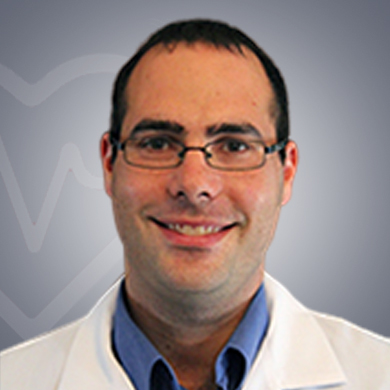
Dr. Meir Kestenbaum

, Israel, Tel Aviv

Neurologist • 17 years experience

Hebrew English
View Telemedicine Doctors

Meir Kestenbaum, 1996-2003 MD Sackler school of medicine Tel Aviv, is a Neurologist based in Tel Aviv, Israel. The doctor has 17 years of professional experience. Meir Kestenbaum areas of expertise include Epilepsy, Myelitis, Meningitis, Brain Stroke, Brachial Plexus Avulsion.

Work Experiences

  • 2003-2004- Internship, Western Galilee hospital, Nahariya
  • 2004-2005- Medical doctor combat unit, Israel Defense Forces
  • 2006-2008- Head of medical clinic, Israel Defense Forces
  • 2008-2013- Residency in Neurology, Tel Aviv Sourasky Medical Center
  • 2013-2015- Fellowship, movement disorders, Columbia Presbyterian hospital, New York, NY, USA
  • 2015- Head of neurology day care service and senior neurologist at the movement disorders unit
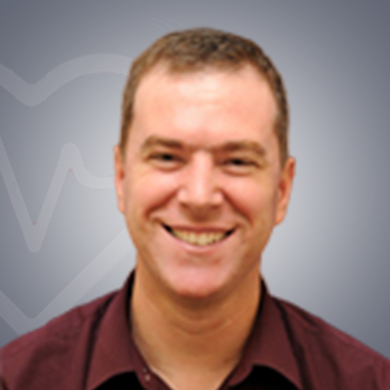
Dr. Jeffrey M Hausdorff

, Israel, Tel Aviv

Neurologist • 35 years experience

Hebrew English
View Telemedicine Doctors

Jeffrey M Hausdorff, The Cooper Union, New York, NY BSE 1982-1985, Biomechanics , is a Neurologist based in Tel Aviv, Israel. The doctor has 35 years of professional experience. Jeffrey M Hausdorff areas of expertise include Meningitis, Erb's Palsy, Neurosyphilis, Myelitis, Encephalitis.

Work Experiences

  • 1986 – 1988 Research Associate, MIT Newman Biomechanics Laboratory
  • 1990 – 1995 Biomedical Scientist, Harvard Medical School
  • 1995 – 1998 Instructor in Medicine, Harvard Medical School
  • 1996 – 1997 NRSA Fellow, Harvard Medical School
  • 1997 – 2002 Research Affiliate, Massachusetts Institute of Technology
  • 1999 – 2002 Associate Director, Institute for Nonlinear Dynamics in Physiology and Medicine
  • 1999 – 2002 Assistant Professor of Medicine, Harvard Medical School
  • 2002 – Present Lecturer in Medicine, Harvard Medical School
  • 2000 – Present Director, Laboratory for Gait Analysis and Neurodynamics, Tel-Aviv Sourasky Medical Center
  • 2002 – 2006 Senior Lecturer, Sackler Faculty of Medicine
  • 2006 – Present Associate Professor, Sackler Faculty of Medicine
  • 2005 – Present Director of Research, National Parkinson Foundation Center of Excellence, Tel-Aviv Sourasky Medical Center
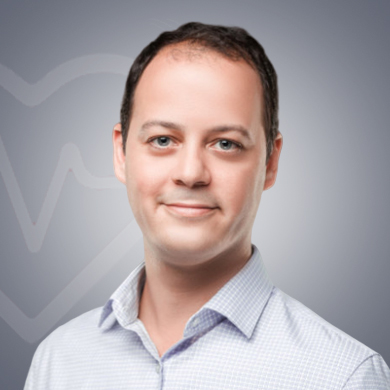
Dr. Saipin Tangkaratt

, Israel, Tel Aviv

Pediatric Neurologist • 45 years experience

Thai English
View Telemedicine Doctors

Saipin Tangkaratt, Hebrew University in Jerusalem, Faculty of Medicine Specialization , is a Pediatric Neurologist based in Tel Aviv, Israel. The doctor has 45 years of professional experience. Saipin Tangkaratt areas of expertise include Neurosyphilis, Epilepsy, Encephalitis, Brachial Plexus Avulsion, Reye Syndrome.

Work Experiences

  • 2001-2005 Pediatric Neurology, Institute for Child Development and Pediatric Neurology Department, Dana Children’s Hospital, Tel Aviv Sourasky Medical Center, affiliated with the Sackler Faculty of Medicine, Tel Aviv University, Tel Aviv, Israel
  • 2007 – 2010 Postdoctoral Clinical and Research Fellow, Division of Movement Disorders, and the Colleen Giblin Laboratories for Pediatric Neurology, Columbia University Medical Center, New York, NY, USA.
  • Clinical experience
  • Senior Pediatric Neurologist, the Pediatric Neurology Unit
  • Senior Pediatric Neurologist, Child Development Unit.
  • Senior Pediatric Neurologist, The ADHD and learning disabilities clinic, Child Development Unit."

Do you know?

Using MediGence’s Telemedicine Platform, you can book a personalized video consultation with renowned doctors around the world

Explore Telemedicine Platform

Featured Telemedicine Doctors

Dr. Firas Fahoum

, Israel, Tel Aviv

Neurologist • 14 years experience

Hebrew English
View Telemedicine Doctors

Firas Fahoum, 1997-2004 The Hebrew University Hadassah Medical School, Jerusalem, Israel, is a Neurologist based in Tel Aviv, Israel. The doctor has 14 years of professional experience. Firas Fahoum areas of expertise include Myelitis, Reye Syndrome, Brain Stroke, Brachial Plexus Avulsion, Epilepsy.

Work Experiences

  • 2017- Director, Epilepsy and EEG Service, Neurology Division, Tel Aviv Sourasky Medical Center, Tel Aviv, IsraeI
  • 2013- Senior Neurologist, Epilepsy and EEG Unit, Neurology Department, Tel Aviv Sourasky Medical Center, Tel Aviv, IsraeI
  • 2012-2013 Neurology Resident, Neurology Department, Tel Aviv Sourasky Medical Center, Tel Aviv, Israel"
Dr. Anat Mirelman

, Israel, Tel Aviv

Neurologist • 18 years experience

Hebrew English
View Telemedicine Doctors

Anat Mirelman, Ben Gurion University (BPT), is a Neurologist based in Tel Aviv, Israel. The doctor has 18 years of professional experience. Anat Mirelman areas of expertise include Brachial Plexus Injuries - Brachial Plexus Injury At Bith, Brachial Plexus Rupture, Myelitis, Encephalitis, Neurosyphilis.

Work Experiences

  • Senior Lecturer, Department of Neurology, Sackler School of Medicine, Tel Aviv University.
Frequently Asked Questions
Which are some of the best hospitals Neurologists in Tel Aviv, Israel are associated with?

Given below are some of the most popular hospitals in Tel Aviv, Israel where Neurologists work:

Which are some of the procedures performed by Neurologists in Tel Aviv, Israel?

Check out the procedures performed by neurologists in Tel Aviv:

Which are some of the conditions treated by Neurologist in Tel Aviv, Israel?

Listed below are some of the most common conditions performed by neurologists in Tel Aviv, Israel are:

  • Seizures in epilepsy
  • Myelitis
  • Neurosyphilis
  • Brachial Plexus Avulsion
  • Brain Stroke
  • Epilepsy
  • Brain Cancer
  • Reye Syndrome
  • Erb's Palsy
  • Encephalitis
  • Meningitis
  • Seizures
  • Brachial Plexus Rupture
  • Brachial Plexus Injuries - Brachial Plexus Injury At Bith
Who is a Neurologist?

A neurologist is a medical doctor who specializes in diagnosing, evaluating, and treating conditions that affect the nervous system. Because of the complex nature of the nervous system, most neurologists focus on treating certain people with specific neurological conditions. Neurologists are generally highly trained clinicians who are capable of diagnosing complex diseases through a complete history and physical examination, including testing of vision, mental status, strength, speech, coordination, sensation, reflexes, and gait. Even when medicine becomes more dependent on newer technology, the neurological exam would remain a critical part of the patient evaluation. A neurologist does not perform surgery. If a patient requires surgery, they usually refer them to a neurosurgeon.

Since neurology deals with the brain and the entire nervous system, there are several conditions that neurologists can diagnose and treat. Most of them go on to study a specific subset of neurology after finishing their residency training. During your appointment with a neurologist, they will talk ask about your medical history as well as your symptoms. They will also do a physical exam that focuses on your nerves, spines, and brain. They have a good idea of your diagnosis from your thorough exam, but you'll need other tests to confirm it.

What are the qualifications of a Neurologist?

A person who wants to become a neurologist needs to first complete a 5½ year- MBBS degree and then a 2-3-year MD/DNB course. After obtaining the master's degree in neurology, the candidate will have to complete D.M. (neurology) course to specialize in the field of neurology.

The first step to becoming a neurologist is to get a bachelor’s degree from an accredited college or university. A medical student needs to complete a five-and-a-half-year MBBS program that prepares a student to work as a medical doctor. A student’s final two years will include clinical rotations in his or her chosen medical specialty.

A neurosurgeon residency program prepares a doctor to work in the field and also offers the opportunity to complete rotations in many areas of surgery and sub-specialties. As a doctor has additional experience and responsibilities, they can start focusing on neurosurgery. A neurologist has the opportunity to extend their training after doing residency by completing a spine fellowship program.

What conditions do Neurologists treat?

Some conditions a neurologist treats are:

  • Brain and spinal cord injury or infection
  • Brain tumor
  • Epilepsy
  • Alzheimer's disease
  • Amyotrophic lateral sclerosis
  • Back pain
  • Peripheral neuropathy (a disease affecting your nerves)
  • Pinched nerves
  • Seizures
  • Headaches
  • Multiple sclerosis
  • Parkinson's disease
  • Stroke
  • Tremors (uncontrollable movement)
  • Seizures in epilepsy
  • Myelitis
  • Brain Stroke
  • Neurosyphilis
  • Brachial Plexus Avulsion
  • Brain Cancer
  • Reye Syndrome
  • Erb's Palsy
  • Encephalitis
  • Meningitis
  • Brachial Plexus Rupture
  • Brachial Plexus Injuries
What diagnostic tests are required by a Neurologist?

To diagnosis a nervous system disorder, a neurologist starts with a complete medical history as well as a physical exam. They might also use one or more of these tests:

  • CT Scan: This shows detailed images of various parts of the brain.
  • Electroencephalogram (EEG): This test measures the brain's continuous electrical activity.
  • MRI: This test uses a combination of radio waves, large magnets, and a computer to make detailed images of the brain.
  • Positron emission tomography (PET): This test measures the metabolic activity of cells.
  • Arteriogram (angiogram). This X-ray of the arteries and veins helps detect blockage of the vessels.
  • Spinal tap (lumbar puncture): In this test, a special needle is inserted into the lower back.
  • Myelogram. This uses dye placed into the spinal canal for proper visibility of the structure on X-rays.
  • Neurosonography: It allows the doctor to analyze blood flow in stroke.
  • Ultrasound (sonography): This imaging test uses high-frequency sound waves to make images of tissues, blood vessels, and organs.
When should you visit a Neurologist?

A person needs to consult a neurologist if he/she experiences below signs and symptoms:

  • Headache
  • Weakness of limbs or face
  • Sleep disturbances
  • Difficulty maintaining your balance
  • Visual problems
  • Neuropathic pain
  • Migraines
  • Seizures
  • Problems with memory
  • Clumsiness or confusion
  • Trembling, slow movements, clumsiness
  • Chronic pain, Difficulty balancing, Burning sensations, Poor coordination
What can you expect from your first visit with a Neurologist?

When you reach the clinic, you will meet with a skilled neurologist for a physical exam and diagnostic tests. The doctor would ask you about what you are experiencing, and will ask you about your medical and prescription history. Neurologists will do a physical exam addressing your nervous system responses. Following a physical exam, a neurologist might also want to run diagnostic testing to get more information. After your consultation, the neurologist would explain your next steps, including any diagnostic tests, new prescriptions, future appointments, and therapies.

Which are the most common procedures performed by a Neurologist?
  • Lumbar Puncture
  • Carotid endarterectomy
  • Concussion testing
  • Deep brain stimulation
  • Diaphragm pacing
  • Electromyography (EMG)
  • Tensilon Test
  • Electroencephalogram
  • Functional electrical stimulation
  • Locomotor training
  • Auditory brainstem implant
  • Awake brain surgery
  • Botox injection
  • Carotid angioplasty
  • Pediatric cervical spine surgery
  • Spinal fusion
  • Stereotactic radiosurgery

FAQs related to Israel

Which are the most common Medical Specialities available in Tel Aviv, Israel