Your Notifications
All done, no notifications

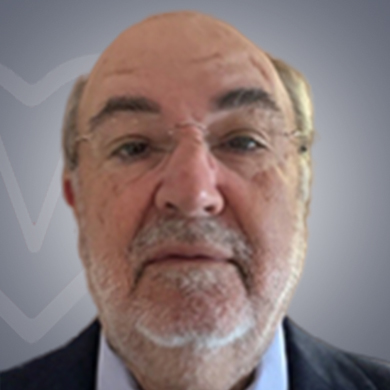
Dr. Tsafantakis Emmanuel

Bone and Joint Specialist

Pireas, Greece

of experience

Speaks: Greek , English


Dr. Tsafantakis Emmanuel is a specialized Orthopedic Surgeon in Greece. And one of the most sought after medical specialists in Athens, Greece. The doctor has over 25 Years of experience and is associated with Metropolitan Hospital.

Association and Memberships Dr. Tsafantakis Emmanuel is part of:

  • Hellenic Society of Orthopedic Surgery and Traumatology (EEXOT)
  • College of Greek Orthopedic Surgeon (KEOX)
  • EEXOT Spinal Disease Department: Founding member
  • EEXOT Bone Tumor Department: Founding member
  • Pan-Hellenic Medical Association (PIS)
  • Medical Association of Athens (ISA)
  • Spinal Disease Society: Founding member
  • ARGOSpine: Association of European Research Groups for Spinal Osteosynthesis
  • EFORT: European Federation of National Association of Orthopedics and Traumatology

Qualifications :

  • Graduate of the School of Medicine of the National Kapodistrian University of Athens.

Hospital Address :

Metropolitan Hospital, Ethnarchou Makariou, Pireas, Greece

What is the medical expertise of Dr Tsafantakis Emmanuel?

  • Dr Tsafantakis Emmanuel has years of experience as an orthopedic surgeon. His areas of expertise include spinal scoliosis, trauma, slipped discs, arthroscopy, rheumatoid arthritis, and hip and knee replacements.
  • Dr Emmanuel is a member of leading organizations such as the Pan Hellenic Medical Association, Hellenic Society of Orthopedic Surgery and Traumatology, and Association of the European Research Groups for Spinal Osteosynthesis. He is the Founding member of the Spinal Disease Society.
  • Over the course of his career, Dr Emmanuel has published 6 research papers in many reputed journals.

Top Brain And Spine Specialist in Greece

About Brain and Spine Specialist

Neurology is the branch of medicine that deals with the treatment of disorders of the nervous system. A brain and spine specialist specializes in the diagnosis, treatment, and prevention of the disorders of the brain, spinal cord, and nerves.

The nervous system is made of two parts:

  • Central nervous system: including the brain and spinal cord.
  • Peripheral nervous system: including all other neural elements such as eyes, skin, ears and other sensory receptors.

If you are facing the disorders, illnesses and injuries involving the nervous system, then you should consider visiting a brain and spine doctor for your neurological management and treatment. Common symptoms requiring a visit with the neurologists include:

  • Muscle weakness
  • Coordination problems
  • Confusion
  • Constant headaches, migraine
  • Dizziness
  • Changes in sensation such as touch, vision or via other sensory receptors
  • Seizure disorders, epilepsy
  • Stroke
  • Multiple sclerosis
  • Neuromuscular disorders
  • Infections of the nervous system eg. Encephalitis, Meningitis
  • Brain abscesses
  • Neurodegenerative disorders like Alzheimer's disease, Lou Gehrig's disease
  • Spinal cord disorders like cluster headaches and migraine

Procedures Performed by Brain and Spine Specialists

  • Laboratory screening tests
  • Genetic testing
  • Computed tomography (CT scan)
  • Magnetic resonance imaging (MRI)
  • Positron emission tomography (PET)
  • Single photon emission computed tomography (SPECT)
  • Angiography
  • Biopsy
  • Cerebrospinal fluid analysis
  • Electroencephalography (EEG)
  • Electromyography (EMG)
  • Electronystagmography (ENG)
  • Evoked potentials
  • Myelography
  • Polysomnogram
  • Thermography
  • Ultrasound imagingX-rays

Top Brain And Spine Specialists in Greece

DoctorAssociated Hospital
Dr. Triantafyllidis AgathangelosMedical Inter-Balkan Thessaloniki, Thessaloniki
Dr. Stavrinou PantelisMetropolitan Hospital, Pireas
Dr. Basskinis NikolaosMedical Inter-Balkan Thessaloniki, Thessaloniki
Dr. Charitidis CharalambosMetropolitan Hospital, Pireas
Dr. Tsementzis SotirioMetropolitan Hospital, Pireas
Dr. Koutoula OlgaMedical Inter-Balkan Thessaloniki, Thessaloniki
Dr. Kapitzoglou VasilikiMedical Inter-Balkan Thessaloniki, Thessaloniki
Dr. Papadopoulos StefanosMedical Inter-Balkan Thessaloniki, Thessaloniki

Reasons to avail Online Consultation with Brain and Spine Specialist in Greece

Not only does Greece have modern healthcare, but it also has specialized administrative and healthcare workers. The best way to interact with specialists of your choice is to use an online platform to consult the best healthcare providers. Medical treatment in Greece is world-class, and it is offered to Greek nationals, international residents, and tourists alike. Consider these compelling reasons to book an online consultation with Greece's Brain and Spine Specialists.

  • The confluence of a National Health System (NHS), obligatory social insurance, and a robust optional private healthcare system characterizes the healthcare system in Greece.
  • Greece's Brain and Spine specialists are distinguished not just for their professional accomplishments, but also for their outstanding research and academic credentials.
  • Neurosurgery has seen far reaching advancements among healthcare organisations and providers in Greece which speaks to the benefit of patients seeking online consultations from specialists here.
  • The specialization of brain and spine treatments has experienced the most rapid adoption of new techniques and their use in the country.
  • There are several private hospitals in Greece who are in partnership with best of healthcare organisations across the world which ensures consistent service quality and upgradation.
  • Before recommending the appropriate treatment for any illness, Greece's Brain and Spine doctors conduct a thorough examination.
  • Brain and Spine specialists in Greece are known to provide effective consultations and treatments in the field of neurosurgery, advanced spine care and pain management, among others.
  • Greece has many places that marry both healthcare as well as tourism aspects such as Crete, Peloponnese, Thessaloniki, Corfu, Alexandroupolis, Kalamata and Athens.
  • Communication via technology or in-person consultations is a breeze thanks to the multilingual specialists and healthcare professionals.
  • The healthcare systems are all in place, integrated, and working together to provide the best results possible.
  • The hospitals are accredited by world-class organizations and follow the most stringent healthcare guidelines.

About Brain and Spine Surgeons in Greece

Types of Brain and Spine specialists

Brain and spine specialists can be broadly categorized into two types depending on the nature of their specialization and the procedures they carry out. The types are given below:

  • Neurologist
  • Neurosurgeon

About Neurologist

A Neurologist is a doctor who helps in the diagnosis, treatment and management of the disorders of the nervous system, constituting the brain, spinal cord and nerves. A neurologist specializes in treating the disorders of the nervous system, such as epilepsy, migraine, multiple sclerosis, Parkinson's disease, stroke, etc. A child neurologist, also called pediatric neurologist, is a doctor who treats children having problems with their nervous system. More details on pediatric neurologist can be found in the below section of this page.

Procedures Performed by Neurologists:

  • Lumbar Puncture (also known as Spinal Tap)
  • Electromyography (EMG)
  • Tensilon Test
  • Electroencephalogram
  • Auditory brainstem implant
  • Awake brain surgery
  • Botox injections
  • Carotid angioplasty and stenting
  • Carotid endarterectomy
  • Concussion testing
  • Deep brain stimulation
  • Diaphragm pacing
  • Functional electrical stimulation
  • Locomotor training
  • Pediatric cervical spine surgery
  • Spinal fusion
  • Stereotactic radiosurgery

Who Is a Pediatric Neurologist?

Pediatric neurologist, also called a child neurologist, is a doctor that specializes in the diagnosis, treatment and prevention of the diseases and disorders affecting the nervous system of a child.

Your pediatrician might ask you to take you baby or child for visiting a pediatric neurologist if he witnesses a risk or abnormality in the neurological condition of the child as observed through the below (but not limited to) signs:

  • Seizures and epilepsy
  • Muscle problems which may cause muscle weakness
  • Headaches (including migraines and concussions)
  • Behavioural disorders
  • Developmental disorders
  • Intellectual disability
  • Congenital malformations
  • Stroke and traumatic brain injury (TBI)
  • Genetic conditions
  • Autoimmune problems
  • Infections or inflammation
  • Brain tumors

Procedures Performed by Pediatric Neurologists

Some of the common procedures performed by a pediatric neurologist are:

  • Blood tests
  • EEG (Electroencephalogram)
  • Nerve Conduction Study (NCS) /Electromyography test (EMG)
  • Botox Injections for Spasticity
  • MRI (magnetic resonance imaging) or CT scan
  • Lumbar puncture (spinal tap)

About Neurosurgeon

A neurosurgeon, also known as a brain surgeon, is a physician who specialises in the surgical treatment of the conditions or disorders that affect the nervous system. Some of the common treatments that are carried out by a neurosurgeon are for cerebral aneurysms, benign or cancerous brain and spinal tumors and injuries of brain or spinal cord. They also perform surgeries that involve patient rehabilitation after the treatment. A neurosurgeon works in coordination with other specialists and healthcare professionals as a part of a team. While neurosurgeons provides surgical as well as non operative treatment meant for patients of all ages, some of them are specialised specially for the surgical treatment of infants or children, and they are known as pediatric neurosurgeon. A detailed section will appear later on this page.

Procedures Performed by Neurosurgeons

  • Acoustic neuroma surgery
  • Aneurysm surgery
  • Arteriovenous malformation surgery
  • Auditory brainstem implant
  • Awake brain surgery
  • Brachial plexus surgery
  • Brain aneurysm surgery
  • Brain rehabilitation
  • Brain stereotactic radiosurgery
  • Brain tumor surgery
  • Carotid angioplasty and stenting
  • Carotid endarterectomy
  • Chiari malformation surgery
  • Computer-assisted brain surgery
  • Deep brain stimulation
  • Diaphragm pacing for spinal cord injury
  • EC-IC Bypass (Extracranial-Intracranial Bypass Surgery)
  • Endoscopic procedures
  • Endovascular treatment
  • Epilepsy surgery
  • Fetal surgery
  • Functional electrical stimulation for spinal cord injury
  • Hemifacial spasm surgery
  • Hyperhidrosis surgery
  • Locomotor training for spinal cord injury
  • Minimally invasive endovascular treatment
  • Minimally invasive neurosurgery
  • Minimally invasive surgery
  • Neurogenic bladder and bowel management
  • Pediatric brain tumor surgery
  • Pediatric cervical spine surgery
  • Pediatric neurosurgery
  • Peripheral nerve tumor surgery
  • Pituitary tumor surgery
  • Robotic surgery
  • Seizure surgery
  • Managing sexuality and fertility related issue arising spinal cord injury
  • Spasticity management for spinal cord injury
  • Spinal fusion
  • Spine procedures
  • Stereotactic radiosurgery
  • Transcranial endoscopic procedures
  • Transnasal endoscopic procedures
  • Trigeminal neuralgia surgery
  • Vertebroplasty
  • Aneurysm Repair
  • Carotid Artery Endarterectomy
  • Craniotomy
  • Disk Removal
  • Endovascular Surgery
  • Laminectomy
  • Sympathectomy
  • Spinal Tap (lumbar puncture)

Who Is a Pediatric Neurosurgeon?

A pediatric neurosurgeon is a doctor specialized in the medical and surgical treatment of the conditions and disorders related to the nervous system of children. Nervous system is comprised of two parts: central nervous system constituting brain and spinal cord and peripheral nervous system comprising of the nerves that branch out off the spinal cord. While a neurosurgeon is a specialized in treating the conditions of the nervous system requiring surgical treatment, a pediatric neurosurgeon is an expert, trained and experienced for the same specifically for pediatric patients i.e. children.

When should you consider visiting a Pediatric Neurosurgeon?

A pediatric neurosurgeon does the diagnosis, treatment and management of conditions pertaining to children’s nervous system as well as head and spinal deformities including the following:

  • Head deformities
  • Spine deformities
  • Problems and injuries of the brain, spine or nerves
  • Gait abnormalities (spasticity)
  • Birth injuries (weakness of arms and legs)
  • Loss of grip in hands and feet

Procedures Performed by Pediatric Neurosurgeon

  • Biopsy
  • Stereotactical Biopsy
  • Debulking
  • Gross Total Resection (GTR)
  • Endonasal Endoscopy
  • Post-Surgery and Recovery
  • Tumor Board
  • Radiation
  • Stereotactic Radiation (Radiosurgery)
  • Proton Beam Therapy
  • Chemotherapy

Which are the countries where we can find Brain And Spine Specialist?

Popular Brain And Spine Specialist in Top Countries are :

Type of Brain And Spine Specialist available in Greece?

Top Speciality Doctors in Greece:

Top Rated Hospitals Where We Can Find Brain And Spine Specialist in Greece?

List of Top Rated Hospitals where we can find Brain And Spine Specialist in Greece are as followed:

Can we get the list of Brain And Spine Specialist in Greece in any other language?

Yes, we provide the list of Brain And Spine Specialist in Greece in the following languages:
Frequently Asked Questions
Which are some of the best hospitals in Greece, All are associated with?

Listed below are some of the top hospitals in Greece where brain and spine specialist work:

Who is a Brain and Spine Specialist?

A brain and spine specialist specializes in the medical or surgical treatment of diseases and conditions of the brain, spine, and nervous system, including nerves, the spinal cord, muscles, and related blood vessels. They also diagnose and treat many neurological diseases, such as stroke, back problems, seizure disorders, brain and spine tumors, injuries, and birth defects. Neurosurgeons also perform surgery on the neck, back, brain, spinal cord, and peripheral nerves to treat neurological issues.

Brain and spine specialists are also experts who specialize in the prevention of brain, spine, and nervous system conditions and in reducing neurological disability. A neurologist might help your primary care doctor take care of you. A brain and spine specialist typically:

  • Evaluates a medical history and educate patients about the brain and nervous system health and disease prevention.
  • Carry out physical exams that involve evaluating blood pressure, vital signs, and the overall health of the brain and nervous system.
  • Recommends and interprets laboratory as well as imaging tests and prescribes medications.
  • Diagnoses and treats acute and chronic conditions that affect the brain, spinal cord, and nervous system including spinal cord and brain injuries and tumors, movement disorders, and different types of back problems.
  • Screens, treats, as well as monitors conditions that escalate the risk of complex brain and nervous system conditions like a head injury that can result in long-term memory loss and headaches.
  • Performs diagnostic procedures or surgery to treat brain cancer, back pain, and birth defects of the brain and spinal cord.
  • Provides direct care for spine, brain, and nervous system conditions in the clinic and hospital.
  • Works closely with a primary care doctor and other specialists and your healthcare team to provide optimal care.
What are the qualifications of a Brain and Spine Specialist?

Candidates aspiring to become a neurologist must have a 5½ years MBBS degree followed by 2 to 3 years MD/DNB course. After gaining the Master's degree, candidates have to pursue D.M. (neurology) to specialize in the field of neurology.

The first step to becoming a brain and spine specialist is to get a bachelor’s degree from an accredited college or university. Students must choose a degree that weighs heavy in the sciences. After clearing a competitive examination, a student can gain entrance into a medical school.

A medical student needs to complete a five-and-a-half-year MBBS program that prepares a student to work as a medical doctor. A student’s final two years will include clinical rotations in his or her chosen medical specialty.

A neurosurgeon residency program prepares a doctor to work in the field and also offers the opportunity to complete rotations in many areas of surgery and sub-specialties. As a doctor has additional experience and responsibilities, they can start focusing on neurosurgery. A brain and spine specialist has the opportunity to extend their training after doing residency by completing a spine fellowship program.

What conditions do a Brain and Spine Specialist treat?

A brain and spine specialist treats the below conditions:

  • Epilepsy
  • Alzheimer’s disease
  • Stroke
  • Migraine
  • Multiple Sclerosis
  • Parkinson’s disease
  • Brain tumors
  • Tourette’s Syndrome
  • Dementia
  • Arthritis
  • Degenerative disc disease
  • Herniated disc
  • Spinal stenosis
  • Spondylosis
  • Scheuermann's kyphosis
  • Scoliosis
  • Spinal cord cancer
  • Chronic spine and back pain
  • Kyphosis
  • Myelopathy
  • Neck pain
  • Osteoporosis and vertebral fractures
  • Radiculopathy
What diagnostic tests are required by a Brain and Spine Specialist?

Diagnostic tests and procedures are vital tools that help doctors confirm or rule out a neurological, spine disorder, or other medical condition. Doctors now use powerful and accurate tools to better diagnose disease. Many tests can be recommended by a brain and spine specialist to identity brain and spine disorders. Some common diagnostic tests recommended by a brain and spine specialist include:

  • Computed tomography (CT scan)
  • Magnetic resonance imaging
  • Positron emission tomography (PET)
  • Single-photon emission computed tomography (SPECT)
  • Angiography
  • Cerebrospinal fluid analysis
  • Electroencephalography
  • Electromyography
  • Electronystagmography
  • Ultrasound imaging
  • Lumbar Puncture
  • Arteriogram
  • Neurosonography
  • Myelogram
  • Arteriogram
When should you visit a Brain and Spine Specialist?

If you or a loved one experiences unexplained symptoms that could be related to the brain, brain, or nervous system, your doctor may recommend a neurological exam with a brain and spine specialist.

If you experience any of the below symptoms, you should see a brain and spine specialist:

  • Muscle weakness
  • Coordination problems
  • Confusion
  • Chronic pain
  • Constant headaches, migraine
  • Dizziness
  • Seizure disorders, epilepsy
  • Neuromuscular disorders
  • Changes in sensation such as touch, vision or via other sensory receptors
  • Infections of the nervous system eg. Encephalitis, Meningitis
  • Brain abscesses
  • Numbness or tingling
  • Movement problems
  • Seizures
  • A brain or spinal cord injury
  • Multiple sclerosis
  • Parkinson’s disease
What can you expect from your first visit with a Brain and Spine Specialist?

A brain and spine specialistcan help find out the cause of symptoms and develop a treatment plan for both complex and common neurological conditions. During a neurological exam, various instruments may be used to evaluate the nervous system. Motor skills, balance, coordination, and mental status may also be tested.

A brain and spine specialist will ask about your complete health history. They will conduct a physical exam to test your coordination, sight, reflexes, strength, mental state, and sensation.

In addition to tests and physical exams, you could get a lot of information at your first appointment. You may need to bring a family member or friend along with you. The person you bring can help ask questions, listen, and take notes.

Which are the most common procedures performed by a Spine Specialist?

Neurosurgical procedures can be performed for both pediatric and adult patients. There are a number of surgical and non-surgical procedures which are performed based on the nature of the disorder, type of injury, or disease. Modern non-invasive and invasive surgical procedures have simplified various brain surgeries up to a great extent. Below are some procedures performed by a brain and spine specialist:

  • Anterior Cervical Discectomy
  • Craniotomy
  • Chiari Decompression
  • Laminectomy
  • Lumbar Puncture
  • Epilepsy Surgery
  • Spinal Fusion
  • Microdiscectomy
  • Ventriculostomy
  • Ventriculoperitoneal Shunt
  • Vertebroplasty
  • Kyphoplasty
  • Artificial disk replacement

FAQs related to Greece

How to avail online consultation with some of the top doctors in Greece?

Online video consultations are the ideal option to approach an expert for the diagnosis of your medical concern in today's fast-paced world. For this reason, MediGence has implemented Telemedicine, which is one of the world's best services in the health market. MediGence's telemedicine makes virtual care for critical conditions convenient for you. With us, everything is straightforward and secure. You can chat with a specialist through video conference from a remote place, real-time report screening will be performed, and you will receive a diagnosis right away. You can also make a recording of the talk for later use. Since we appreciate your privacy, all of your medical records and teleconsultations are securely maintained on HIPAA-compliant cloud servers.

How to access Telemedicine?

Exploring & Booking an appointment with the specialist in 3 simple steps-