Browse verified doctors or let our care team help you find the doctor best suited to your condition, treatment goals, and budget.
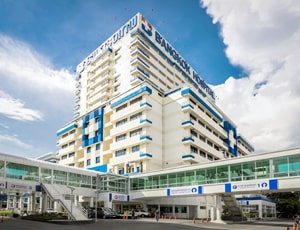
Choosing Bangkok Hospital for Lung Transplant gives patients access to experienced transplant specialists, advanced thoracic surgery facilities, and comprehensive postoperative care. Established in 1972, the JCI hospital in Bangkok, Thailand has 580 beds and provides specialized transplant services.
Lung Transplant may be considered when advanced lung disease causes severe respiratory impairment and available medical or surgical treatments are no longer sufficient. The transplant may involve a single lung or both lungs, depending on the underlying disease, the patient's health, and transplant assessment. Before surgery, doctors conduct extensive testing to evaluate lung and heart function, nutritional status, infection risks, and overall suitability. After transplantation, immunosuppressive treatment and pulmonary rehabilitation help support recovery and reduce complications.
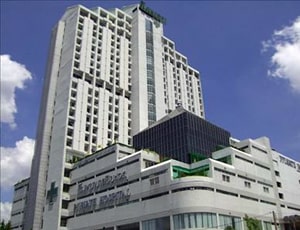
Choosing Vejthani Hospital for Lung Transplant gives patients access to experienced transplant specialists, advanced thoracic surgery facilities, and comprehensive postoperative care. Established in 1994, the JCI hospital in Bangkok, Thailand has 263 beds and provides specialized transplant services.
Lung Transplant may be considered when advanced lung disease causes severe respiratory impairment and available medical or surgical treatments are no longer sufficient. The transplant may involve a single lung or both lungs, depending on the underlying disease, the patient's health, and transplant assessment. Before surgery, doctors conduct extensive testing to evaluate lung and heart function, nutritional status, infection risks, and overall suitability. After transplantation, immunosuppressive treatment and pulmonary rehabilitation help support recovery and reduce complications.
Choosing Bangpakok 9 International Hospital for Lung Transplant gives patients access to experienced transplant specialists, advanced thoracic surgery facilities, and comprehensive postoperative care. Established in 2003, the JCI, GHA hospital in Bangkok, Thailand has 300 beds and provides specialized transplant services.
Lung Transplant may be considered when advanced lung disease causes severe respiratory impairment and available medical or surgical treatments are no longer sufficient. The transplant may involve a single lung or both lungs, depending on the underlying disease, the patient's health, and transplant assessment. Before surgery, doctors conduct extensive testing to evaluate lung and heart function, nutritional status, infection risks, and overall suitability. After transplantation, immunosuppressive treatment and pulmonary rehabilitation help support recovery and reduce complications.
At Phyathai 2 International Hospital, Lung Transplant is performed using advanced thoracic transplant techniques and personalized treatment plans based on the patient's condition. Established in 1987, this JCI hospital in Bangkok, Thailand has 550 beds and provides comprehensive transplant and critical care services.
Lung Transplant may be recommended for patients with severe, progressive lung disease that has significantly affected breathing and quality of life despite appropriate medical treatment. Depending on the underlying disease and transplant assessment, patients may receive one or both lungs. Before surgery, a multidisciplinary transplant team evaluates lung function, cardiovascular health, infection risks, and other factors. Following transplantation, lifelong immunosuppression and regular follow-up are required to reduce the risk of rejection and monitor lung function.
Yanhee International Hospital is a trusted healthcare provider for Lung Transplant, offering specialized lung transplantation supported by experienced transplant surgeons, pulmonologists, and modern medical infrastructure. Established in 1984, the ISO, JCI hospital is situated in Bangkok, Thailand and has 400 beds.
Lung Transplantation is an advanced treatment option for patients with end-stage lung disease, including certain cases of pulmonary fibrosis, chronic obstructive pulmonary disease, cystic fibrosis, and pulmonary hypertension. Depending on the patient's condition, transplantation may involve one or both lungs. A comprehensive pre-transplant assessment is performed to determine eligibility and identify potential risks. After surgery, patients require immunosuppressive therapy, regular medical monitoring, and rehabilitation to support long-term graft function.
At Sikarin Hospital, Lung Transplant is performed using advanced thoracic transplant techniques and personalized treatment plans based on the patient's condition. Established in 1979, this JCI hospital in Bangkok, Thailand has 354 beds and provides comprehensive transplant and critical care services.
Lung Transplant may be recommended for patients with severe, progressive lung disease that has significantly affected breathing and quality of life despite appropriate medical treatment. Depending on the underlying disease and transplant assessment, patients may receive one or both lungs. Before surgery, a multidisciplinary transplant team evaluates lung function, cardiovascular health, infection risks, and other factors. Following transplantation, lifelong immunosuppression and regular follow-up are required to reduce the risk of rejection and monitor lung function.
Kasemrad Ramkhamhaeng Hospital offers advanced Lung Transplant using modern transplant and thoracic surgical techniques and internationally accepted treatment protocols. Established in 1992, the JCI hospital is located in Bangkok, Thailand and has 120 beds, providing comprehensive transplant care for local and international patients.
Lung Transplant may be considered for patients with advanced lung disease when other treatments no longer provide adequate control of the condition. Depending on the patient's diagnosis and clinical status, a single-lung or double-lung transplant may be performed. Before transplantation, patients undergo detailed evaluation of lung function, heart health, overall medical condition, and transplant suitability. After surgery, immunosuppressive medicines, close monitoring, and pulmonary rehabilitation are essential to support graft function and recovery.
Choosing Piyavate Hospital for Lung Transplant gives patients access to experienced transplant specialists, advanced thoracic surgery facilities, and comprehensive postoperative care. Established in 1993, the JCI, ISO hospital in Bangkok, Thailand has 150 beds and provides specialized transplant services.
Lung Transplant may be considered when advanced lung disease causes severe respiratory impairment and available medical or surgical treatments are no longer sufficient. The transplant may involve a single lung or both lungs, depending on the underlying disease, the patient's health, and transplant assessment. Before surgery, doctors conduct extensive testing to evaluate lung and heart function, nutritional status, infection risks, and overall suitability. After transplantation, immunosuppressive treatment and pulmonary rehabilitation help support recovery and reduce complications.

Marsha Akatu from Kenya was suffering from Sickle Cell Anaemia. She got her treatment done at Medanta Hospital, Gurgaon, India.

Patient Testimonial: Bushra Masoud for Brain Marrow Treatment from Apollo Hospitals