Browse verified doctors or let our care team help you find the doctor best suited to your condition, treatment goals, and budget.

Choosing Mount Elizabeth Novena Hospital for Legg-Calve-Perthes Disease (LCPD) Treatment gives children access to experienced pediatric orthopedic specialists, advanced imaging technology, and multidisciplinary rehabilitation services. Established in 2012, the JCI hospital in Novena, Singapore has 313 beds and provides specialized pediatric orthopedic care.
Legg-Calve-Perthes Disease (LCPD) Treatment may be recommended when the disease affects hip movement, causes pain or limping, or places the femoral head at risk of permanent deformity. Doctors may initially use activity modification, physiotherapy, pain management, or bracing to preserve hip mobility and containment. In selected patients, surgical procedures such as femoral or pelvic osteotomy may be performed to maintain proper positioning of the femoral head. Regular imaging helps guide treatment decisions.
Mount Elizabeth Hospital provides specialised Legg-Calve-Perthes Disease (LCPD) Treatment with a focus on preserving hip function, maintaining mobility, and supporting healthy skeletal development. Established in 1979, the JCI hospital is located in Singapore, Singapore and operates 345 beds with modern pediatric orthopedic infrastructure.
Legg-Calve-Perthes Disease (LCPD) requires individualised management because it progresses through several stages of femoral head breakdown, revascularisation, and remodelling. Treatment may include observation, physiotherapy, activity restrictions, pain management, bracing, or surgical containment depending on the child's age and severity of disease. The primary goal is to maintain hip motion and encourage the femoral head to heal in a functional shape. Long-term orthopedic follow-up helps monitor hip development and identify potential complications.
Gleneagles Hospital is a trusted healthcare provider for Legg-Calve-Perthes Disease (LCPD) Treatment, offering specialized pediatric hip care supported by experienced orthopedic surgeons and modern medical infrastructure. Established in 1959, the JCI hospital is situated in Singapore, Singapore and has 258 beds.
Legg-Calve-Perthes Disease Treatment aims to preserve the shape and function of the hip while the affected femoral head undergoes healing and remodelling. The treatment approach depends on the child's age, disease stage, hip range of motion, and degree of femoral head involvement. Younger children with less extensive disease may be managed conservatively, while older children or those with significant deformity may require surgical containment procedures. Long-term follow-up is important to monitor hip development and function.
At Parkway East Hospital, Legg-Calve-Perthes Disease (LCPD) Treatment is performed using advanced pediatric orthopedic techniques and personalised treatment plans based on the child's condition. Established in 1942, this JCI hospital in Singapore, Singapore has 143 beds and provides comprehensive pediatric orthopedic care.
Legg-Calve-Perthes Disease (LCPD) is a childhood hip disorder caused by a temporary disruption of blood supply to the femoral head, which can lead to weakening and deformity of the bone. Treatment aims to maintain hip movement and keep the femoral head properly positioned within the hip socket during healing. Depending on disease severity, management may include physiotherapy, activity modification, bracing, traction, or surgery. Regular imaging is used to monitor the progression and remodelling of the hip.
Farrer Park Hospital offers advanced Legg-Calve-Perthes Disease (LCPD) Treatment using modern pediatric orthopedic techniques and internationally accepted treatment protocols. Established in 2016, the hospital is located in Singapore, Singapore and has 220 beds, providing comprehensive orthopedic care for local and international patients.
Legg-Calve-Perthes Disease (LCPD) Treatment is planned according to the child's age, disease stage, extent of femoral head involvement, hip mobility, and overall condition. Treatment may include observation, activity modification, pain management, physiotherapy, and measures to maintain hip movement. In children with more advanced disease or significant loss of hip containment, surgical procedures such as osteotomy may be considered. Regular X-rays and clinical assessments help monitor healing and hip development.

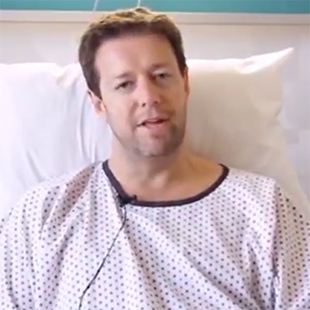
Kevin Stewart from Scotland could barely walk straight due to a Slip Disc. He faced many discomforts for the past 2 years and eventually had…

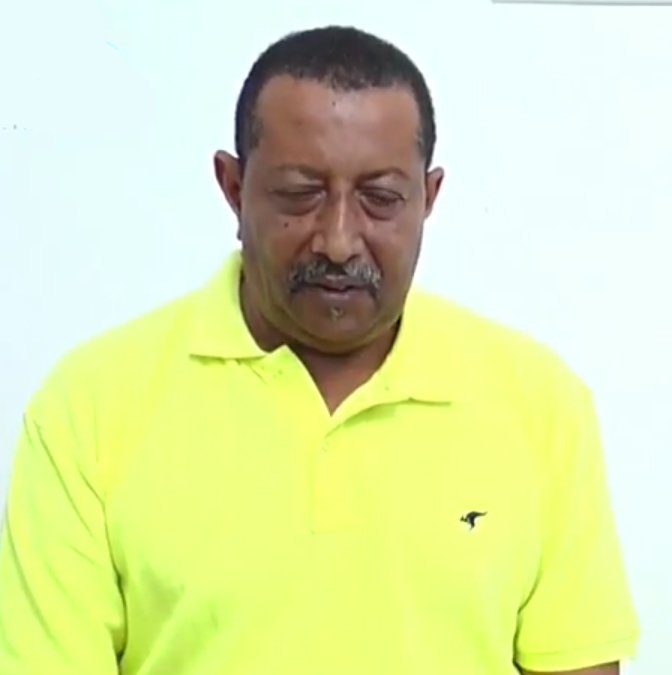
Mr. Muhammed Dumia was suffering from painful left Knee and was in considerable pain for the last 2 months. He eventually underwent Knee Replacement Surgery…