Explore trusted hospitals and care options, or get personalised support to find a suitable option based on your treatment needs, preferences, and budget.

At Dr. Rela Institute and Medical Centre, patients can access comprehensive Cholangiocarcinoma Treatment supported by advanced diagnostic, surgical, and oncology facilities. Established in 2018, the NABH, NABL accredited hospital is located in Chennai, India, and has 450 beds.
Bile duct cancer treatment is personalised according to the tumour's location, stage, and overall health of the patient. Potentially operable tumours may be treated with surgery, while patients with advanced disease may receive systemic therapies such as chemotherapy, targeted medicines, or immunotherapy. Biliary drainage or stenting may also be used to relieve obstruction when required.
Hyderabad, India
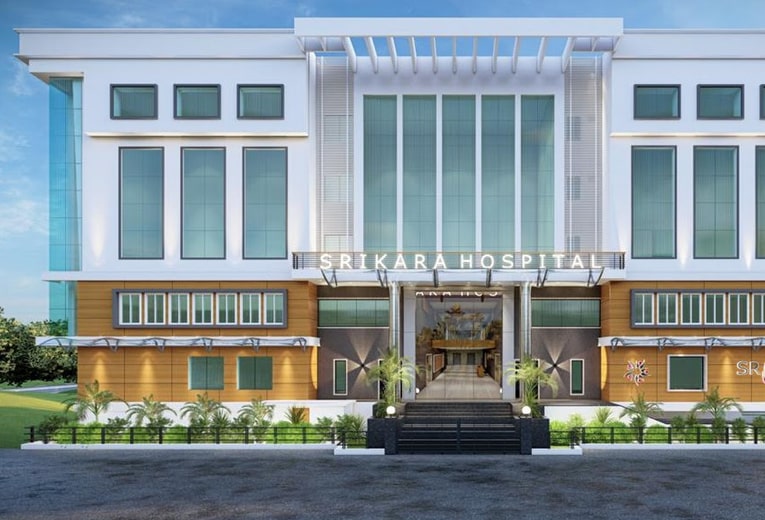
With advanced hepatobiliary oncology infrastructure, Srikara Hospital, RTC Cross Roads offers Cholangiocarcinoma Treatment for patients requiring specialised care for bile duct cancer. Established in 2013, the NABH accredited hospital is located in Hyderabad, India, and has 120 beds.
For selected patients with resectable disease, surgery may involve removal of the affected bile duct, part of the liver, or other nearby tissues, depending on tumour location. Advanced disease may require systemic treatment or palliative procedures such as biliary stenting. A multidisciplinary team evaluates imaging, pathology, tumour stage, and overall health before recommending treatment.
Bangalore, India
Apollo Hospitals Bannerghatta offers specialised Cholangiocarcinoma (Bile Duct Cancer) Treatment using modern surgical and medical oncology technologies and established treatment protocols. Established in 2007, the JCI accredited hospital is situated in Bangalore, India, with 350 beds, serving local and international patients.
Treatment may include surgery, chemotherapy, targeted therapy, immunotherapy, radiation therapy, or biliary drainage procedures, depending on the cancer's location and stage. Molecular testing may identify specific alterations that could make targeted treatment appropriate. Before therapy, specialists conduct comprehensive imaging, pathology, staging, and liver-function assessments to develop an individualised treatment plan.
With advanced hepatobiliary oncology infrastructure, HCG Kalinga Rao Road offers Cholangiocarcinoma Treatment for patients requiring specialised care for bile duct cancer. Established in 1989, the ISO, NABH accredited hospital is located in Bangalore, India, and has 250 beds.
For selected patients with resectable disease, surgery may involve removal of the affected bile duct, part of the liver, or other nearby tissues, depending on tumour location. Advanced disease may require systemic treatment or palliative procedures such as biliary stenting. A multidisciplinary team evaluates imaging, pathology, tumour stage, and overall health before recommending treatment.
Fortis Hospital offers specialised Cholangiocarcinoma (Bile Duct Cancer) Treatment using modern surgical and medical oncology technologies and established treatment protocols. Established in 2001, the NABH, NABL, JCI accredited hospital is situated in Bangalore, India, with 375 beds, serving local and international patients.
Treatment may include surgery, chemotherapy, targeted therapy, immunotherapy, radiation therapy, or biliary drainage procedures, depending on the cancer's location and stage. Molecular testing may identify specific alterations that could make targeted treatment appropriate. Before therapy, specialists conduct comprehensive imaging, pathology, staging, and liver-function assessments to develop an individualised treatment plan.
Fortis Hospital offers specialised Cholangiocarcinoma (Bile Duct Cancer) Treatment using modern surgical and medical oncology technologies and established treatment protocols. Established in 2011, the NABH, NABL accredited hospital is situated in Kolkata, India, with 400 beds, serving local and international patients.
Treatment may include surgery, chemotherapy, targeted therapy, immunotherapy, radiation therapy, or biliary drainage procedures, depending on the cancer's location and stage. Molecular testing may identify specific alterations that could make targeted treatment appropriate. Before therapy, specialists conduct comprehensive imaging, pathology, staging, and liver-function assessments to develop an individualised treatment plan.
With advanced hepatobiliary oncology infrastructure, Ruby Hall Clinic offers Cholangiocarcinoma Treatment for patients requiring specialised care for bile duct cancer. Established in 1959, the NABH, NABL accredited hospital is located in Pune, India, and has 600 beds.
For selected patients with resectable disease, surgery may involve removal of the affected bile duct, part of the liver, or other nearby tissues, depending on tumour location. Advanced disease may require systemic treatment or palliative procedures such as biliary stenting. A multidisciplinary team evaluates imaging, pathology, tumour stage, and overall health before recommending treatment.
Hyderabad, India
At Yashoda Hospital, Malakpet, patients can access comprehensive Cholangiocarcinoma Treatment supported by advanced diagnostic, surgical, and oncology facilities. Established in 1989, the NABH, NABL accredited hospital is located in Hyderabad, India, and has 404 beds.
Bile duct cancer treatment is personalised according to the tumour's location, stage, and overall health of the patient. Potentially operable tumours may be treated with surgery, while patients with advanced disease may receive systemic therapies such as chemotherapy, targeted medicines, or immunotherapy. Biliary drainage or stenting may also be used to relieve obstruction when required.
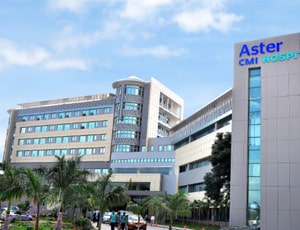
At Aster CMI Hospital, patients can access comprehensive Cholangiocarcinoma Treatment supported by advanced diagnostic, surgical, and oncology facilities. Established in 2014, the JCI, NABH, NABL accredited hospital is located in Bangalore, India, and has 500 beds.
Bile duct cancer treatment is personalised according to the tumour's location, stage, and overall health of the patient. Potentially operable tumours may be treated with surgery, while patients with advanced disease may receive systemic therapies such as chemotherapy, targeted medicines, or immunotherapy. Biliary drainage or stenting may also be used to relieve obstruction when required.
MGM Healthcare offers specialised Cholangiocarcinoma (Bile Duct Cancer) Treatment using modern surgical and medical oncology technologies and established treatment protocols. Established in 2016, the NABH, NABL, JCI accredited hospital is situated in Chennai, India, with 400 beds, serving local and international patients.
Treatment may include surgery, chemotherapy, targeted therapy, immunotherapy, radiation therapy, or biliary drainage procedures, depending on the cancer's location and stage. Molecular testing may identify specific alterations that could make targeted treatment appropriate. Before therapy, specialists conduct comprehensive imaging, pathology, staging, and liver-function assessments to develop an individualised treatment plan.
With advanced hepatobiliary oncology infrastructure, Batra Hospital offers Cholangiocarcinoma Treatment for patients requiring specialised care for bile duct cancer. Established in 1987, the NABH accredited hospital is located in Delhi, India, and has 495 beds.
For selected patients with resectable disease, surgery may involve removal of the affected bile duct, part of the liver, or other nearby tissues, depending on tumour location. Advanced disease may require systemic treatment or palliative procedures such as biliary stenting. A multidisciplinary team evaluates imaging, pathology, tumour stage, and overall health before recommending treatment.
Seven Hills Hospital provides Cholangiocarcinoma (Bile Duct Cancer) Treatment using contemporary hepatobiliary and oncology techniques and evidence-based care. Founded in 1986, the NABH, NABL, JCI accredited hospital is based in Mumbai, India, with 1500 beds and services for domestic and international patients.
The treatment approach depends on whether the cancer is intrahepatic, perihilar, or distal bile duct cancer and whether it can be surgically removed. Depending on the diagnosis, treatment may involve liver or bile duct surgery, chemotherapy, radiation, targeted therapy, or immunotherapy. Imaging, pathology, and molecular profiling help guide treatment planning.
Mumbai, India
Wockhardt Hospital - A new Age Hospital offers specialised Cholangiocarcinoma (Bile Duct Cancer) Treatment using modern surgical and medical oncology technologies and established treatment protocols. Established in 2014, the NABH, NABL, JCI accredited hospital is situated in Mumbai, India, with 350 beds, serving local and international patients.
Treatment may include surgery, chemotherapy, targeted therapy, immunotherapy, radiation therapy, or biliary drainage procedures, depending on the cancer's location and stage. Molecular testing may identify specific alterations that could make targeted treatment appropriate. Before therapy, specialists conduct comprehensive imaging, pathology, staging, and liver-function assessments to develop an individualised treatment plan.
With advanced hepatobiliary oncology infrastructure, Sri Ramachandra Medical Centre offers Cholangiocarcinoma Treatment for patients requiring specialised care for bile duct cancer. Established in 1985, the JCI, NABH accredited hospital is located in Chennai, India, and has 1800 beds.
For selected patients with resectable disease, surgery may involve removal of the affected bile duct, part of the liver, or other nearby tissues, depending on tumour location. Advanced disease may require systemic treatment or palliative procedures such as biliary stenting. A multidisciplinary team evaluates imaging, pathology, tumour stage, and overall health before recommending treatment.
Jaypee Hospital offers specialised Cholangiocarcinoma (Bile Duct Cancer) Treatment using modern surgical and medical oncology technologies and established treatment protocols. Established in 2014, the NABH, JCI accredited hospital is situated in Noida, India, with 1200 beds, serving local and international patients.
Treatment may include surgery, chemotherapy, targeted therapy, immunotherapy, radiation therapy, or biliary drainage procedures, depending on the cancer's location and stage. Molecular testing may identify specific alterations that could make targeted treatment appropriate. Before therapy, specialists conduct comprehensive imaging, pathology, staging, and liver-function assessments to develop an individualised treatment plan.

Monica from Ghana suffered from AV malformation. She decided to look for options for medical treatment when she started experiencing episodes of unconsciousness. After a…

Nasrin (Sister of the patient ) explains the journey of how MediGence helped for the treatment of Silim Shabani for Ovarian Cancer Treatment in Turkey.