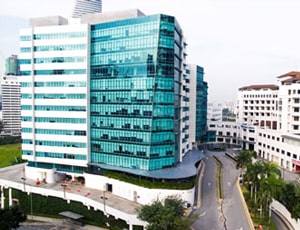
Kuala Lumpur, Malaysia
Number of Beds: 277
Year of Establishment: 2007
Medical Tourism Hospital of the Year 2024
Clinical Service Initiative of the Year 2024
Best in Community Involvement of the Year 2023
Brand of the Year in Healthcare of the Year 2023
Orthopaedic Service Provider of the Year 2023
Clinical Service Initiative of the Year 2023
Medical Tourism Hospital of the Year of the Year 2023
Top Children’s Hospital of the Year 2022
MRO Service Star of the Year 2022


Kuala Lumpur, Malaysia
Number of Beds: 724
Year of Establishment: 1999
Frost & Sullivan: 2024 Malaysian Hospital Market Leadership Award
College of American Pathologists (CAP) Accreditation
Healthcare Asia Awards 2024: Hospital of the Year (Malaysia)
Healthcare Asia Awards 2024: Health Promotion Initiative of the Year
Reader’s Digest Trusted Brand 2024
Newsweek World’s Best Hospitals 2024
World Stroke Organisation (WSO) Angels Awards 2023 - Gold Award (Q4)
World Stroke Organisation (WSO) Angels Awards 2023 - Gold Award (Q3)

2023, Best Specialized Hospital Asia Pacific – Endocrinology
2023, Best Specialized Hospital Asia Pacific – Cardiology
2022, GlobalHealth Asia Pacific Child Development and Paediatric Service Provider of the Year in Asia Pacific
2022, Frost & Sullivan – Malaysia Emerging Hospital Company of the year award
2022, Malaysian Healthcare Tourism Corporation (MHTC) Elite member (Jan 2022 - Dec 2022)
2022, Malaysian Society for Quality in Health (MSQH) - (2020-2024)
2019, Healthcare Infection Control Management Resources (HICMR)
2018, The Brand Laureate Best Brand – Brand leadership Award (2018-2019)

Kuala Lumpur, Malaysia
Number of Beds: 442
Year of Establishment: 1985
Healthcare Asia Awards 2024, Subang Jaya Medical Centre wins ESG Program of the Year
Frost & Sullivan, Subang Jaya Medical Centre wins Best Practices Award, Malaysian Best Hospital Company of the Year
GlobalHealth Asia-Pacific Awards, Subang Jaya Medical Centre wins Hospital of the Year in Asia-Pacific
GlobalHealth Asia-Pacific Awards, Subang Jaya Medical Centre wins Advanced Genetic Centre Provider of the Year in Asia-Pacific
GlobalHealth Asia-Pacific Awards, Subang Jaya Medical Centre wins Diabetes Service Provider of the Year in Asia-Pacific
GlobalHealth Asia-Pacific Awards, Subang Jaya Medical Centre wins Multi-Disciplinary Oncology Service Provider of the Year in Asia-Pacific
GlobalHealth Asia-Pacific Awards, Subang Jaya Medical Centre wins CSR Service of the Year in Asia-Pacific
GlobalHealth MedTech Awards, Subang Jaya Medical Centre wins the Excellence in Digital Health Innovation of the Year

Global Health Asia Pacific Awards 2023, Sports Rehabilitation and Physiotherapy Service Provider Of The Year In Asia Pacific
Newsweek Best Specialized Hospital APAC 2023, Paediatrics
Healthcare Asia Awards 2023, Vaccination Delivery of the Year - Malaysia
Malaysian Healthcare & Wellness Excellence Award 2023

Kuala Lumpur, Malaysia
Number of Beds: 171
Year of Establishment: 2016
Ask your healthcare adviser for the best multiple options and choose the one that meets your expectations

| Speciality | Neurology |
| Procedure | Epilepsy Treatment |
| Success Rate | Varies by condition |
| Recovery Time | Varies by condition |
| Treatment Time | Varies by condition |
| Chances of Recurrence | Varies by condition |
Epilepsy, also known as seizure disease, is a chronic medical condition that occurs due to abnormal signals in the brain produced by damaged brain cells. This uncontrolled activity can lead to changes in the state of awareness, muscle twitches and jerks, emotions, sensations, and behavior. The available surgical options include surgical resection, which involves removing abnormal brain tissue, disconnection of fiber bundles connecting different brain areas, and stereotactic radiosurgery, which targets and destroys abnormal brain tissue. Additionally, neuromodulation devices can be implanted to deliver electrical impulses to the brain, gradually reducing seizures.
Epilepsy treatment is primarily used to manage and control seizures in individuals diagnosed with epilepsy. It can help reduce the frequency and severity of seizures, improve a person's quality of life, and reduce the risk of injury during a seizure.
The recovery period following epilepsy treatment varies according to the type of treatment used. Patients taking medications may need to adhere to a specific dosage regimen and attend regular check-ups with their healthcare provider to monitor their response to the medication and adjust the dosage as needed. In the case of surgical interventions, the recovery process may include a hospital stay, post-operative care, and follow-up appointments to assess the procedure's success and the patient's overall condition. The recovery may take 3-6 weeks.
According to the procedure, hospitals are ranked based on a variety of components. To rank these hospitals in Malaysia for Epilepsy Treatment, take the following aspects into account- Infrastructure, Procedure Availability, Procedure Popularity, Technology, Affordability, Experienced Specialists, Quality of Resources, and Success Rate
Your health is a top priority for MediGence, and we make sure you get it effortlessly. We make sure that your healthcare journey should be easy and hassle-free while receiving treatment overseas. Dedicated Case Manager, Video Consultation, Hotel stays or Accommodation, Recovery packages, round-the-clock assistance, and personalized packages with discounts of up to 30% are some of the best caregiving services offered. We also provide several additional advantages to help you receive first-rate medical care.
Yes, it's simple to do that. While talking to one of our experts, you can request a video consultation appointment. They will get in touch with the doctor to check his/her availability. After receiving confirmation, the appointment will be scheduled and you will receive a payment link to book your session.
Due to the country's cutting-edge healthcare system and high success rate, many people have begun traveling to Malaysia for Epilepsy Treatment. Epilepsy Treatment is the best option when it comes to Malaysia for a variety of reasons including:
The recovery time of the patients can be determined based on the patient’s overall health and the criticality of the procedure undergone. Other factors like continuously taking rehab sessions and enrolling in postoperative care sessions also greatly impact the recovery time of the patient. Patient must keep in touch with their surgeon for a few months after surgery in order to speed up recovery.