Browse verified doctors or let our care team help you find the doctor best suited to your condition, treatment goals, and budget.

Prince Court Medical Centre provides specialized Spinal Decompression and Fixation with a focus on relieving spinal cord or nerve compression, restoring spinal stability, and supporting functional recovery. Established in 2007, the MSQH accredited hospital is located in Kuala Lumpur, Malaysia and operates 277 beds with modern neurosurgical and orthopedic spine facilities.
Spinal Decompression and Fixation combines procedures that relieve pressure on the spinal cord or nerves with techniques used to stabilize the affected vertebrae. Decompression may involve removing bone, ligament, or other tissue contributing to nerve compression, while fixation uses implants such as screws, rods, or plates to maintain spinal alignment and stability. The approach depends on the underlying condition, spinal level, and extent of instability. Imaging such as MRI or CT scans helps guide surgical planning.
At Acibadem International Hospital, Spinal Decompression and Fixation is performed using advanced spinal surgical techniques and individualized treatment planning. Established in 1989, the JCI accredited hospital in Istanbul, Turkey has 112 beds and provides comprehensive neurosurgical and orthopedic spine care.
Spinal Decompression and Fixation may be recommended for conditions involving significant nerve or spinal cord compression together with spinal instability or deformity. Decompression procedures such as laminectomy or discectomy can create more space for compressed neural structures, while fixation stabilizes the treated spinal segment. Depending on the case, bone grafting and spinal fusion may also be performed to promote lasting stability. Preoperative imaging and neurological assessment help determine the appropriate surgical approach.
Dubai, United Arab Emirates
Burjeel Hospital for Advanced Surgery Dubai offers dedicated Spinal Decompression and Fixation supported by experienced spine surgeons, advanced imaging, and modern operating facilities. Established in 2023, the JCI accredited hospital is situated in Dubai, United Arab Emirates and has 100 beds supporting specialized spinal care.
Spinal Decompression and Fixation is designed to address both neural compression and mechanical instability when both require surgical management. During decompression, the surgeon removes structures that are pressing on the spinal cord or nerve roots. Fixation may then be performed using screws and rods to hold the vertebrae in the desired position, sometimes with fusion to encourage bone healing between adjacent vertebrae. The exact technique varies according to the affected spinal region and underlying condition.
Mount Elizabeth Novena Hospital offers dedicated Spinal Decompression and Fixation supported by experienced spine surgeons, advanced imaging, and modern operating facilities. Established in 2012, the JCI accredited hospital is situated in Novena, Singapore and has 313 beds supporting specialized spinal care.
Spinal Decompression and Fixation is designed to address both neural compression and mechanical instability when both require surgical management. During decompression, the surgeon removes structures that are pressing on the spinal cord or nerve roots. Fixation may then be performed using screws and rods to hold the vertebrae in the desired position, sometimes with fusion to encourage bone healing between adjacent vertebrae. The exact technique varies according to the affected spinal region and underlying condition.
Asan Medical Centre provides specialized Spinal Decompression and Fixation with an emphasis on precise nerve decompression, stable spinal reconstruction, and personalized postoperative care. Established in 1989, the ISO accredited hospital is based in Seoul, South Korea and has 2700 beds supported by modern neurosurgical and orthopedic facilities.
Spinal Decompression and Fixation involves relieving pressure on the spinal cord or nerve roots and stabilizing the affected vertebral segment when necessary. Depending on the diagnosis, decompression may include removal of part of a vertebral bone, thickened ligament, or herniated disc material. Fixation with screws, rods, or other implants helps maintain alignment and stability, while fusion may be performed when indicated. A detailed neurological examination and spinal imaging are generally used to plan the procedure and determine the extent of treatment.
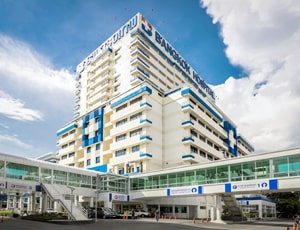
Bangkok Hospital provides specialized Spinal Decompression and Fixation with a focus on relieving spinal cord or nerve compression, restoring spinal stability, and supporting functional recovery. Established in 1972, the JCI accredited hospital is located in Bangkok, Thailand and operates 580 beds with modern neurosurgical and orthopedic spine facilities.
Spinal Decompression and Fixation combines procedures that relieve pressure on the spinal cord or nerves with techniques used to stabilize the affected vertebrae. Decompression may involve removing bone, ligament, or other tissue contributing to nerve compression, while fixation uses implants such as screws, rods, or plates to maintain spinal alignment and stability. The approach depends on the underlying condition, spinal level, and extent of instability. Imaging such as MRI or CT scans helps guide surgical planning.
At Mount Elizabeth Hospital, Spinal Decompression and Fixation is performed using advanced spinal surgical techniques and individualized treatment planning. Established in 1979, the JCI accredited hospital in Singapore, Singapore has 345 beds and provides comprehensive neurosurgical and orthopedic spine care.
Spinal Decompression and Fixation may be recommended for conditions involving significant nerve or spinal cord compression together with spinal instability or deformity. Decompression procedures such as laminectomy or discectomy can create more space for compressed neural structures, while fixation stabilizes the treated spinal segment. Depending on the case, bone grafting and spinal fusion may also be performed to promote lasting stability. Preoperative imaging and neurological assessment help determine the appropriate surgical approach.
Delhi, India
BLK-Max Super Speciality Hospital provides specialized Spinal Decompression and Fixation with a focus on relieving spinal cord or nerve compression, restoring spinal stability, and supporting functional recovery. Established in 1959, the JCI, NABH accredited hospital is located in Delhi, India and operates 650 beds with modern neurosurgical and orthopedic spine facilities.
Spinal Decompression and Fixation combines procedures that relieve pressure on the spinal cord or nerves with techniques used to stabilize the affected vertebrae. Decompression may involve removing bone, ligament, or other tissue contributing to nerve compression, while fixation uses implants such as screws, rods, or plates to maintain spinal alignment and stability. The approach depends on the underlying condition, spinal level, and extent of instability. Imaging such as MRI or CT scans helps guide surgical planning.
Vejthani Hospital provides specialized Spinal Decompression and Fixation with an emphasis on precise nerve decompression, stable spinal reconstruction, and personalized postoperative care. Established in 1994, the JCI accredited hospital is based in Bangkok, Thailand and has 263 beds supported by modern neurosurgical and orthopedic facilities.
Spinal Decompression and Fixation involves relieving pressure on the spinal cord or nerve roots and stabilizing the affected vertebral segment when necessary. Depending on the diagnosis, decompression may include removal of part of a vertebral bone, thickened ligament, or herniated disc material. Fixation with screws, rods, or other implants helps maintain alignment and stability, while fusion may be performed when indicated. A detailed neurological examination and spinal imaging are generally used to plan the procedure and determine the extent of treatment.
Memorial Ankara Hospital provides specialized Spinal Decompression and Fixation with an emphasis on precise nerve decompression, stable spinal reconstruction, and personalized postoperative care. Established in 2014, the JCI accredited hospital is based in Ankara, Turkey and has 230 beds supported by modern neurosurgical and orthopedic facilities.
Spinal Decompression and Fixation involves relieving pressure on the spinal cord or nerve roots and stabilizing the affected vertebral segment when necessary. Depending on the diagnosis, decompression may include removal of part of a vertebral bone, thickened ligament, or herniated disc material. Fixation with screws, rods, or other implants helps maintain alignment and stability, while fusion may be performed when indicated. A detailed neurological examination and spinal imaging are generally used to plan the procedure and determine the extent of treatment.
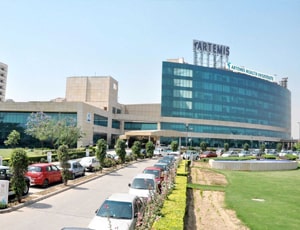
Artemis Health Institute provides specialized Spinal Decompression and Fixation with a focus on relieving spinal cord or nerve compression, restoring spinal stability, and supporting functional recovery. Established in 2007, the JCI, NABH accredited hospital is located in Gurgaon, India and operates 750 beds with modern neurosurgical and orthopedic spine facilities.
Spinal Decompression and Fixation combines procedures that relieve pressure on the spinal cord or nerves with techniques used to stabilize the affected vertebrae. Decompression may involve removing bone, ligament, or other tissue contributing to nerve compression, while fixation uses implants such as screws, rods, or plates to maintain spinal alignment and stability. The approach depends on the underlying condition, spinal level, and extent of instability. Imaging such as MRI or CT scans helps guide surgical planning.
Gleneagles Hospital provides specialized Spinal Decompression and Fixation with an emphasis on precise nerve decompression, stable spinal reconstruction, and personalized postoperative care. Established in 1959, the JCI accredited hospital is based in Singapore, Singapore and has 258 beds supported by modern neurosurgical and orthopedic facilities.
Spinal Decompression and Fixation involves relieving pressure on the spinal cord or nerve roots and stabilizing the affected vertebral segment when necessary. Depending on the diagnosis, decompression may include removal of part of a vertebral bone, thickened ligament, or herniated disc material. Fixation with screws, rods, or other implants helps maintain alignment and stability, while fusion may be performed when indicated. A detailed neurological examination and spinal imaging are generally used to plan the procedure and determine the extent of treatment.
International St. Mary's Hospital offers dedicated Spinal Decompression and Fixation supported by experienced spine surgeons, advanced imaging, and modern operating facilities. Established in 2014, the JCI accredited hospital is situated in Seoul, South Korea and has 808 beds supporting specialized spinal care.
Spinal Decompression and Fixation is designed to address both neural compression and mechanical instability when both require surgical management. During decompression, the surgeon removes structures that are pressing on the spinal cord or nerve roots. Fixation may then be performed using screws and rods to hold the vertebrae in the desired position, sometimes with fusion to encourage bone healing between adjacent vertebrae. The exact technique varies according to the affected spinal region and underlying condition.
Sunway Medical Centre provides specialized Spinal Decompression and Fixation with a focus on relieving spinal cord or nerve compression, restoring spinal stability, and supporting functional recovery. Established in 1999, the ACHS accredited hospital is located in Kuala Lumpur, Malaysia and operates 724 beds with modern neurosurgical and orthopedic spine facilities.
Spinal Decompression and Fixation combines procedures that relieve pressure on the spinal cord or nerves with techniques used to stabilize the affected vertebrae. Decompression may involve removing bone, ligament, or other tissue contributing to nerve compression, while fixation uses implants such as screws, rods, or plates to maintain spinal alignment and stability. The approach depends on the underlying condition, spinal level, and extent of instability. Imaging such as MRI or CT scans helps guide surgical planning.
Bangpakok 9 International Hospital provides specialized Spinal Decompression and Fixation with a focus on relieving spinal cord or nerve compression, restoring spinal stability, and supporting functional recovery. Established in 2003, the JCI, GHA accredited hospital is located in Bangkok, Thailand and operates 300 beds with modern neurosurgical and orthopedic spine facilities.
Spinal Decompression and Fixation combines procedures that relieve pressure on the spinal cord or nerves with techniques used to stabilize the affected vertebrae. Decompression may involve removing bone, ligament, or other tissue contributing to nerve compression, while fixation uses implants such as screws, rods, or plates to maintain spinal alignment and stability. The approach depends on the underlying condition, spinal level, and extent of instability. Imaging such as MRI or CT scans helps guide surgical planning.