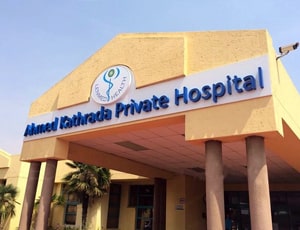
Lenmed Ahmed Kathrada Private Hospital
Johannesburg, South Africa
Lenmed Ahmed Kathrada Private Hospital provides specialized Spinal Cord Detethering with a focus on releasing abnormal tension on the spinal cord, protecting neurological function, and reducing symptoms associated with tethered cord syndrome. Established in 1984, the COHSASA, ISQua accredited hospital is located in Johannesburg, South Africa and operates 254 beds with advanced neurosurgical and spinal care facilities.
Spinal Cord Detethering is a neurosurgical procedure used to release the spinal cord when it is abnormally attached to surrounding tissues and cannot move freely within the spinal canal. This condition, known as tethered cord syndrome, may be congenital or develop after previous spinal surgery or scarring. During surgery, the neurosurgeon carefully identifies and releases the tissue anchoring the spinal cord, aiming to reduce tension and prevent further neurological deterioration.
Please Enquire

At Life Kingsbury Hospital, Spinal Cord Detethering is performed using advanced microsurgical techniques and individualized neurological assessment. Established in 1918, the accredited hospital in Cape Town, South Africa has 212 beds and provides comprehensive neurosurgical, pediatric, and rehabilitation services.
Spinal Cord Detethering may be recommended for patients with symptomatic tethered cord syndrome, particularly when progressive neurological, bladder, bowel, or orthopedic problems are present. Through a carefully planned spinal approach, the surgeon identifies the structures attaching the spinal cord and releases them to reduce abnormal tension. In some cases, associated abnormalities such as a fatty filum or scar tissue may also be addressed. MRI and neurological evaluation help determine the need and extent of surgery.

netcare Linksfield Hospital
Johannesburg, South Africa
Choosing netcare Linksfield Hospital for Spinal Cord Detethering gives patients access to specialist-led tethered cord surgery, advanced microsurgical equipment, and coordinated postoperative neurological care. Established in 1991, the COHSASA accredited hospital is located in Johannesburg, South Africa and operates 319 beds with modern neurosurgical infrastructure.
Spinal Cord Detethering may help relieve the abnormal stretching of the spinal cord caused by tethering to nearby tissues. Depending on the underlying cause, the surgeon may release a tight filum terminale, separate scar tissue, or address other structures restricting spinal cord movement. The goal is to reduce ongoing neurological stress and, when possible, prevent progression of symptoms. Postoperative monitoring focuses on neurological function, wound healing, and bladder or bowel symptoms when affected.

Lenmed Ethekwini Hospital and Heart Centre
Durban, South Africa
At Lenmed Ethekwini Hospital and Heart Centre, Spinal Cord Detethering is performed using advanced microsurgical techniques and individualized neurological assessment. Established in 2002, the accredited hospital in Durban, South Africa has 353 beds and provides comprehensive neurosurgical, pediatric, and rehabilitation services.
Spinal Cord Detethering may be recommended for patients with symptomatic tethered cord syndrome, particularly when progressive neurological, bladder, bowel, or orthopedic problems are present. Through a carefully planned spinal approach, the surgeon identifies the structures attaching the spinal cord and releases them to reduce abnormal tension. In some cases, associated abnormalities such as a fatty filum or scar tissue may also be addressed. MRI and neurological evaluation help determine the need and extent of surgery.