Browse verified doctors or let our care team help you find the doctor best suited to your condition, treatment goals, and budget.

Choosing Clinic Soukra for Fibroid Removal Surgery gives patients access to specialist-led fibroid management, modern surgical technology, and coordinated postoperative care. Established in 2003, the accredited hospital is located in Ariana, Tunisia and operates 120 beds with advanced gynecological infrastructure.
Fibroid Removal Surgery is considered when uterine fibroids produce persistent symptoms or affect a woman's quality of life despite medical management. Before surgery, specialists assess the number, size, and position of the fibroids using ultrasound or other imaging methods. Depending on these findings, fibroids may be removed through minimally invasive surgery or an abdominal approach. After treatment, follow-up focuses on healing, symptom improvement, and reproductive health when relevant.
Taoufik Clinique provides specialized Fibroid Removal Surgery with a focus on precise fibroid removal, preservation of healthy uterine tissue, and individualized gynecological care. Established in 1979, the ISO accredited hospital is located in Tunis, Tunisia and operates 180 beds with modern gynecology and minimally invasive surgical facilities.
Fibroid Removal Surgery may be recommended for women experiencing heavy menstrual bleeding, pelvic pressure, pain, frequent urination, or fertility problems caused by uterine fibroids. Depending on the number, size, and location of the fibroids, surgeons may perform a myomectomy through hysteroscopy, laparoscopy, or an open abdominal approach. The procedure aims to remove fibroids while preserving the uterus when clinically appropriate.
Choosing Ezzahra Clinic for Fibroid Removal Surgery gives patients access to specialist-led fibroid management, modern surgical technology, and coordinated postoperative care. Established in 1986, the NABH accredited hospital is located in Ez Zahra, Tunisia and operates 110 beds with advanced gynecological infrastructure.
Fibroid Removal Surgery is considered when uterine fibroids produce persistent symptoms or affect a woman's quality of life despite medical management. Before surgery, specialists assess the number, size, and position of the fibroids using ultrasound or other imaging methods. Depending on these findings, fibroids may be removed through minimally invasive surgery or an abdominal approach. After treatment, follow-up focuses on healing, symptom improvement, and reproductive health when relevant.
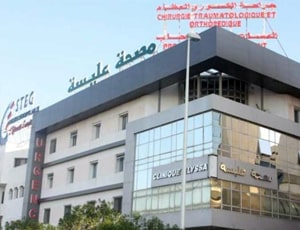
Clinic Alyssa provides specialized Fibroid Removal Surgery with a focus on precise fibroid removal, preservation of healthy uterine tissue, and individualized gynecological care. Established in 2015, the accredited hospital is located in Tunis, Tunisia and operates 80 beds with modern gynecology and minimally invasive surgical facilities.
Fibroid Removal Surgery may be recommended for women experiencing heavy menstrual bleeding, pelvic pressure, pain, frequent urination, or fertility problems caused by uterine fibroids. Depending on the number, size, and location of the fibroids, surgeons may perform a myomectomy through hysteroscopy, laparoscopy, or an open abdominal approach. The procedure aims to remove fibroids while preserving the uterus when clinically appropriate.
Hannibal International Clinic provides specialized Fibroid Removal Surgery with an emphasis on accurate fibroid assessment, uterus-preserving treatment, and personalized recovery planning. Established in 2007, the accredited hospital is based in Tunis, Tunisia and has 120 beds supported by modern gynecology and reproductive medicine facilities.
Fibroid Removal Surgery may be performed when fibroids cause troublesome bleeding, pelvic pain, pressure symptoms, or difficulties with conception. The procedure commonly involves a myomectomy, in which the surgeon removes the fibroids while leaving the uterus intact. Depending on their location, fibroids can be removed through the vagina and cervix using hysteroscopy, through small abdominal incisions using laparoscopy, or through a larger abdominal incision when necessary. The choice of technique depends on the patient's individual anatomy and clinical needs.

I’m happy with the surgical results and the treating physician. The medical professionals and nursing staff at Medeor Hospital, Dubai also made an excellent first…
| Speciality | Gynecology |
| Procedure | Fibroid Removal Surgery |
| Success Rate | 85-95% |
| Recovery Time | 4-8 weeks |
| Treatment Time | 1-2 hours |
| Chances of Recurrence | 5-10% |
Fibroid removal surgery, also known as myomectomy, is a surgical procedure that removes uterine fibroids while leaving the uterus intact. Uterine fibroids are benign tumors that can cause symptoms such as heavy menstrual bleeding, pelvic pain, and pressure on surrounding organs. Depending on the size and location of the fibroids, myomectomy can be performed using various techniques such as open surgery, laparoscopy, or hysteroscopy. During myomectomy, the surgeon makes incisions in the abdominal wall (open surgery) or uses small incisions and specialized instruments (laparoscopy or hysteroscopy) to access and remove fibroids.
Myomectomy is primarily performed to treat symptomatic fibroids that can lead to issues like heavy menstrual bleeding, pelvic pain, and discomfort, urinary frequency or urgency, pressure on other organs, and fertility issues.
The recovery process after a fibroid removal surgery can vary depending on the surgical approach, individual health, and the size and number of fibroids removed. Rest is a crucial part of the recovery process to ensure proper healing. The healthcare team suggests keeping the incisions clean and dry to prevent infection. Light activities are gradually resumed, as advised by the healthcare provider. Overall, it takes two to four weeks to fully recover after a fibroid removal surgery.
Numerous factors can be considered to rank the hospitals on the basis of the procedure. To rank these hospitals in Tunisia for Fibroid Removal Surgery, take the following aspects into account- Infrastructure, Availability of the Procedure, Popularity for the procedure, Technology Used, Qualified & Experienced Specialists, Cost, Facilities provided, Success Rate
MediGence provides you with a combination of cost-savings, convenience, and quality healthcare. We keep your health a priority and make sure you receive a hassle-free medical journey with some unmatched benefits & services. Some of our notable services include Hotel stays or accommodation, Video consultation, dedicated case manager, round-the-clock help, airport transfers, and customized prebundled treatment packages with discount of up to a 30%. There are many more advantages for you besides the aforementioned services.
Absolutely! Yes. Before you plan medical travel to Tunisia, you can benefit from an efficient & helpful online consultation with the chosen specialist there. To schedule your online consultation with the specialist, you can reach one of our patient counselors. They will check the doctor's availability, send the payment link to you, and finalize your appointment.
People from around the world are increasingly choosing to travel to Tunisia for Fibroid Removal Surgery due to its modern infrastructure and high success rate. When it comes to Tunisia, many factors contribute to make Fibroid Removal Surgery the ideal choice. This includes:
Depending on the patient's health and the complexity of the treatment, different procedures have different recovery times. The patient should make sure to take all rehabilitation sessions and follow postoperative care protocols, among other things, to reduce their recovery time. It is recommended that the patient maintain regular contact with their surgeon for a few months after surgery to speed up recovery.