Browse verified doctors or let our care team help you find the doctor best suited to your condition, treatment goals, and budget.

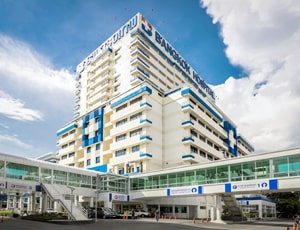
At Bangkok Hospital, C-Section is performed using established obstetric protocols and individualized delivery planning. Established in 1972, the JCI accredited hospital in Bangkok, Thailand has 580 beds and provides comprehensive maternal and newborn care.
C-Section involves delivering the baby through surgical openings in the abdomen and uterus rather than through the vaginal birth canal. The procedure may be recommended when medical conditions affecting the mother or baby make vaginal delivery unsuitable or when complications develop during labor. Before surgery, the obstetric team evaluates the pregnancy, fetal position, maternal health, and other relevant factors. Postoperative care includes pain management, monitoring for bleeding or infection, and support with feeding and mobility.
Vejthani Hospital provides specialized C-Section with an emphasis on maternal safety, appropriate surgical decision-making, and supportive recovery care. Established in 1994, the JCI accredited hospital is based in Bangkok, Thailand and has 263 beds supported by modern obstetric, surgical, and neonatal facilities.
C-Section is a surgical delivery procedure used when cesarean birth is medically indicated or when an emergency develops during pregnancy or labor. The obstetrician makes an incision through the abdominal wall and uterus to deliver the baby, followed by closure of the surgical incisions. Before a planned C-section, the medical team reviews the pregnancy and discusses anesthesia and the delivery process. After surgery, care focuses on pain control, wound care, prevention of complications, breastfeeding support, and gradual return to normal activities.
At Bangpakok 9 International Hospital, C-Section is performed using established obstetric protocols and individualized delivery planning. Established in 2003, the JCI, GHA accredited hospital in Bangkok, Thailand has 300 beds and provides comprehensive maternal and newborn care.
C-Section involves delivering the baby through surgical openings in the abdomen and uterus rather than through the vaginal birth canal. The procedure may be recommended when medical conditions affecting the mother or baby make vaginal delivery unsuitable or when complications develop during labor. Before surgery, the obstetric team evaluates the pregnancy, fetal position, maternal health, and other relevant factors. Postoperative care includes pain management, monitoring for bleeding or infection, and support with feeding and mobility.
Phyathai 2 International Hospital provides specialized C-Section with a focus on safe delivery, maternal well-being, and comprehensive obstetric care. Established in 1987, the JCI accredited hospital is located in Bangkok, Thailand and operates 550 beds with modern maternity, obstetric, and neonatal facilities.
C-Section is a surgical method of delivering a baby through incisions made in the mother's abdomen and uterus. It may be planned in advance or performed urgently when vaginal delivery is considered unsafe or when complications arise during labor. Common reasons include placenta previa, certain fetal positions, fetal distress, previous uterine surgery, or labor that is not progressing safely. After delivery, the uterus and abdominal incision are closed, followed by monitoring of the mother and newborn.
Choosing Krabi Nakharin International Hospital for C-Section gives patients access to specialist-led obstetric care, modern surgical facilities, and coordinated maternal and neonatal support. Established in 1997, the JCI accredited hospital is located in Krabi, Thailand and operates 150 beds with advanced maternity and neonatal infrastructure.
C-Section is commonly considered when a vaginal birth could pose a significant risk to the mother or baby. It may be required because of conditions such as abnormal fetal presentation, certain placental problems, previous cesarean delivery in selected circumstances, or complications affecting fetal well-being. The operation is usually performed under regional anesthesia, allowing the mother to remain awake while the baby is delivered. Following surgery, both mother and baby are monitored before discharge and follow-up.
Choosing Yanhee International Hospital for C-Section gives patients access to specialist-led obstetric care, modern surgical facilities, and coordinated maternal and neonatal support. Established in 1984, the ISO, JCI accredited hospital is located in Bangkok, Thailand and operates 400 beds with advanced maternity and neonatal infrastructure.
C-Section is commonly considered when a vaginal birth could pose a significant risk to the mother or baby. It may be required because of conditions such as abnormal fetal presentation, certain placental problems, previous cesarean delivery in selected circumstances, or complications affecting fetal well-being. The operation is usually performed under regional anesthesia, allowing the mother to remain awake while the baby is delivered. Following surgery, both mother and baby are monitored before discharge and follow-up.
Sikarin Hospital provides specialized C-Section with a focus on safe delivery, maternal well-being, and comprehensive obstetric care. Established in 1979, the JCI accredited hospital is located in Bangkok, Thailand and operates 354 beds with modern maternity, obstetric, and neonatal facilities.
C-Section is a surgical method of delivering a baby through incisions made in the mother's abdomen and uterus. It may be planned in advance or performed urgently when vaginal delivery is considered unsafe or when complications arise during labor. Common reasons include placenta previa, certain fetal positions, fetal distress, previous uterine surgery, or labor that is not progressing safely. After delivery, the uterus and abdominal incision are closed, followed by monitoring of the mother and newborn.
Kasemrad Ramkhamhaeng Hospital provides specialized C-Section with an emphasis on maternal safety, appropriate surgical decision-making, and supportive recovery care. Established in 1992, the JCI accredited hospital is based in Bangkok, Thailand and has 120 beds supported by modern obstetric, surgical, and neonatal facilities.
C-Section is a surgical delivery procedure used when cesarean birth is medically indicated or when an emergency develops during pregnancy or labor. The obstetrician makes an incision through the abdominal wall and uterus to deliver the baby, followed by closure of the surgical incisions. Before a planned C-section, the medical team reviews the pregnancy and discusses anesthesia and the delivery process. After surgery, care focuses on pain control, wound care, prevention of complications, breastfeeding support, and gradual return to normal activities.
Choosing Piyavate Hospital for C-Section gives patients access to specialist-led obstetric care, modern surgical facilities, and coordinated maternal and neonatal support. Established in 1993, the JCI, ISO accredited hospital is located in Bangkok, Thailand and operates 150 beds with advanced maternity and neonatal infrastructure.
C-Section is commonly considered when a vaginal birth could pose a significant risk to the mother or baby. It may be required because of conditions such as abnormal fetal presentation, certain placental problems, previous cesarean delivery in selected circumstances, or complications affecting fetal well-being. The operation is usually performed under regional anesthesia, allowing the mother to remain awake while the baby is delivered. Following surgery, both mother and baby are monitored before discharge and follow-up.
Sukumvit Hospital, Bangkok offers dedicated C-Section supported by experienced obstetricians, modern operating rooms, and specialized newborn care facilities. Established in 1977, the JCI accredited hospital is situated in Bangkok, Thailand and has 280 beds supporting comprehensive maternity services.
C-Section may be performed as a planned procedure or as an emergency delivery depending on the circumstances of the pregnancy and labor. During the operation, anesthesia is administered, an incision is made in the lower abdomen, and the uterus is opened to deliver the baby. Once the baby and placenta are delivered, the uterus and abdominal layers are carefully closed. Recovery generally involves monitoring maternal vital signs, managing discomfort, encouraging gradual movement, and observing the surgical wound.

I’m happy with the surgical results and the treating physician. The medical professionals and nursing staff at Medeor Hospital, Dubai also made an excellent first…

Deborah Omotayo Adeyanju, a patient aged 33, a resident of Nigeria, was diagnosed with pregnancy months back, and she is now diagnosed with the possible…
| Speciality | Gynecology |
| Procedure | C-Section |
| Success Rate | 95-99% |
| Recovery Time | 4-6 weeks |
| Treatment Time | 45 minutes - 1 hour |
| Chances of Recurrence | NA |
C-section is the short form for the cesarian procedure. It is performed to deliver a baby through an incision made in the mother's abdomen and uterus. The procedure is most commonly suggested when vaginal delivery poses risks to the mother or baby or when labor is not progressing as expected. A c-section is performed under general anesthesia (usually regional or epidural) to numb the lower part of the body. An incision is made horizontally or vertically in the abdominal wall and uterus. The baby is then carefully delivered through this incision. Once the baby is delivered, the incision is closed carefully with sutures.
C-sections are primarily used to address medical conditions or situations that could pose risks during vaginal delivery. These include abnormal fetal position (such as breech or transverse presentation), placenta previa, previous C-section or uterine surgery, fetal distress or irregular heart rate, multiple pregnancies (twins, triplets, etc.), failure to progress during labor, and maternal health conditions that make vaginal delivery unsafe.
After a C-section, the recovery process can take several weeks. It is common to stay in the hospital for 2-4 days after a C-section. In the initial phases of recovery, rest is important, but gradually increasing mobility is encouraged to prevent blood clots and aid recovery. The doctors recommend keeping the incision clean and dry to prevent infection. Regular check-ups with the healthcare provider are scheduled to monitor healing and address any concerns.
According to the procedure, hospitals are ranked based on a variety of components. In Thailand, Hospitals for C-Section are ranked on the basis of the following factors- Infrastructure, Procedure Availability, Procedure Popularity, Technology, Affordability, Experienced Specialists, Quality of Resources, and Success Rate
MediGence works incredibly diligently to ensure that you get the best possible medical travel experience that is also accessible and reasonable. We provide a set of unmatched services to assist you in your medical journey to different countries in the world. Some of our caregiving services & unmatched benefits include hotel stays or accommodation, airport transfers, dedicated case manager, care packages for recovery, online consultations with the specialist, 24/7 assistance, and prenegotiated treatment packages with an assured 30% discount. Furthermore, we have alot more other benefits for you to recieve top-notch medical care.
Definitely Yes. You can get an expert medical opinion via online consultation before you decide to travel. While talking to one of our experts, you can request a video consultation appointment. They will verify the doctor's consultation availability. Once confirmed, a payment link will be provided to you so you may schedule your online consultation.
Thailand is becoming a prime destination for many people across the world for C-Section because of high success rates and modern infrastructure. Other factors that make Thailand the preferred option for C-Section include:
Depending on the patient's health and the complexity of the treatment, different procedures have different recovery times. Rehabilitation and post-operative care play an important role in speeding up the recovery time and helping the patient to get back to their healthier self. Patient must keep in touch with their surgeon for a few months after surgery in order to speed up recovery.