7 Hospitals

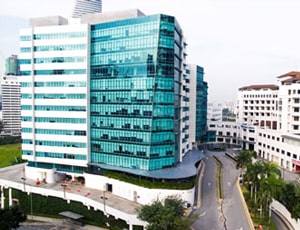
Prince Court Medical Centre
Kuala Lumpur, Malaysia
Number of Beds: 277
Year of Establishment: 2007
Medical Tourism Hospital of the Year 2024
Clinical Service Initiative of the Year 2024
Best in Community Involvement of the Year 2023
Brand of the Year in Healthcare of the Year 2023
Orthopaedic Service Provider of the Year 2023
Clinical Service Initiative of the Year 2023
Medical Tourism Hospital of the Year of the Year 2023
Top Children’s Hospital of the Year 2022
MRO Service Star of the Year 2022
- Accreditation

Please Enquire
- Excellence in Healthcare Services in 2019 - Awarded by APAC Insider for Parkway Pantai's exceptional healthcare services and high patient satisfaction.
- Best Healthcare Brand in 2018 - Awarded by Influential Brands for Parkway Pantai's contribution to the healthcare industry and patient care.
- Best Hospital Group in 2017 - Awarded by HR Asia for Parkway Pantai's commitment to employee welfare and development, which ultimately benefits the patients.
- Best Private Healthcare Provider in Asia-Pacific in 2016 - Awarded by Global Health and Travel for Parkway Pantai's exceptional healthcare services and facilities.
- Best Healthcare Provider in Southeast Asia in 2015 - Awarded by MIMS for Parkway Pantai's exceptional medical services, innovative technology, and patient care
- Accreditation


Sunway Medical Centre
Kuala Lumpur, Malaysia
Number of Beds: 724
Year of Establishment: 1999
Frost & Sullivan: 2024 Malaysian Hospital Market Leadership Award
College of American Pathologists (CAP) Accreditation
Healthcare Asia Awards 2024: Hospital of the Year (Malaysia)
Healthcare Asia Awards 2024: Health Promotion Initiative of the Year
Reader’s Digest Trusted Brand 2024
Newsweek World’s Best Hospitals 2024
World Stroke Organisation (WSO) Angels Awards 2023 - Gold Award (Q4)
World Stroke Organisation (WSO) Angels Awards 2023 - Gold Award (Q3)
- Accreditation


2023, Best Specialized Hospital Asia Pacific – Endocrinology
2023, Best Specialized Hospital Asia Pacific – Cardiology
2022, GlobalHealth Asia Pacific Child Development and Paediatric Service Provider of the Year in Asia Pacific
2022, Frost & Sullivan – Malaysia Emerging Hospital Company of the year award
2022, Malaysian Healthcare Tourism Corporation (MHTC) Elite member (Jan 2022 - Dec 2022)
2022, Malaysian Society for Quality in Health (MSQH) - (2020-2024)
2019, Healthcare Infection Control Management Resources (HICMR)
2018, The Brand Laureate Best Brand – Brand leadership Award (2018-2019)
- Accreditation

Subang Jaya Medical Centre
Kuala Lumpur, Malaysia
Number of Beds: 442
Year of Establishment: 1985
Healthcare Asia Awards 2024, Subang Jaya Medical Centre wins ESG Program of the Year
Frost & Sullivan, Subang Jaya Medical Centre wins Best Practices Award, Malaysian Best Hospital Company of the Year
GlobalHealth Asia-Pacific Awards, Subang Jaya Medical Centre wins Hospital of the Year in Asia-Pacific
GlobalHealth Asia-Pacific Awards, Subang Jaya Medical Centre wins Advanced Genetic Centre Provider of the Year in Asia-Pacific
GlobalHealth Asia-Pacific Awards, Subang Jaya Medical Centre wins Diabetes Service Provider of the Year in Asia-Pacific
GlobalHealth Asia-Pacific Awards, Subang Jaya Medical Centre wins Multi-Disciplinary Oncology Service Provider of the Year in Asia-Pacific
GlobalHealth Asia-Pacific Awards, Subang Jaya Medical Centre wins CSR Service of the Year in Asia-Pacific
GlobalHealth MedTech Awards, Subang Jaya Medical Centre wins the Excellence in Digital Health Innovation of the Year
- Accreditation
Please Enquire

Global Health Asia Pacific Awards 2023, Sports Rehabilitation and Physiotherapy Service Provider Of The Year In Asia Pacific
Newsweek Best Specialized Hospital APAC 2023, Paediatrics
Healthcare Asia Awards 2023, Vaccination Delivery of the Year - Malaysia
Malaysian Healthcare & Wellness Excellence Award 2023
- Accreditation

Bukit Tinggi Medical Centre
Kuala Lumpur, Malaysia
Number of Beds: 171
Year of Establishment: 2016
- Accreditation
Ask your healthcare adviser for the best multiple options and choose the one that meets your expectations
Request for an Expert Opinion

Outcomes of Device Closure of ASD (Amplatzer Septal Occluder)
| Speciality | Cardiac Sciences |
| Procedure | Device Closure of ASD (Amplatzer Septal Occluder) |
| Success Rate | 95-98% |
| Recovery Time | 1 to 2 days |
| Treatment Time | 2 to 3 hours |
| Chances of Recurrence | 1-2% |
What is a Device Closure of ASD (Amplatzer Septal Occluder), and how does it work?
An atrial septal defect is an opening in the wall of the heart that can cause mixing of the blood between the heart’s upper chambers, called atria. This is a minimally invasive procedure that involves inserting a special device, called the Amplatzer Septal Occluder, through a catheter into the heart. The device is positioned to cover the ASD, allowing the tissue to grow over it, effectively sealing the hole.
What medical conditions can be treated through Device Closure of ASD (Amplatzer Septal Occluder)?
The ASD device closure procedure is primarily used to treat Atrial Septal Defects, which are congenital heart conditions present at birth. It is suitable for certain patients who have smaller atrial septal openings or less serious conditions that can be corrected without open-heart surgery. An experienced cardiac surgeon will diagnose the type of ASD and then suggest the Amplatzer Septal Occluder-based procedure.
What is the recovery process after a Device Closure of ASD (Amplatzer Septal Occluder)?
After the atrial septal defect closure, patients typically spend a short time in the hospital for observation. The recovery process is relatively quick, with minimal pain and scarring. Most patients can resume their normal activities within a few days to a week, but strenuous activities may be restricted for a few weeks after the surgery. Regular follow-up visits with the cardiologist are recommended to check the progress and ensure the effectiveness of the device after ASD closure is performed.
Frequently Asked Questions
There are several factors for ranking the hospitals on the basis of the procedure. The following factors are used to rank hospitals in Kuala Lumpur that perform Device Closure of ASD (Amplatzer Septal Occluder)s- Infrastructure, Procedure Availability, Procedure Popularity, Technology, Affordability, Experienced Specialists, Quality of Resources, and Success Rate
MediGence offers you a blend of convenience, quality healthcare, and cost-savings. We wish you to experience a trouble-free and quality healthcare journey, so we make sure that you receive our value-added benefits throughout your journey. Some of our notable services include Hotel stays or accommodation, Video consultation, dedicated case manager, round-the-clock help, airport transfers, and customized prebundled treatment packages with discount of up to a 30%. Many more benefits are available with MediGence your treatment abroad.
Yes, it's simple to do that. When our patient advisors connect with you regarding your query, you can place your request of having an online consultation with the specialist. They will get in touch with the doctor to check his/her availability. After receiving confirmation, the appointment will be scheduled and you will receive a payment link to book your session.
Due to the country's cutting-edge healthcare system and high success rate, many people have begun traveling to Kuala Lumpur for Device Closure of ASD (Amplatzer Septal Occluder). When it comes to Kuala Lumpur, many factors contribute to make Device Closure of ASD (Amplatzer Septal Occluder) the ideal choice. This includes:
- Affordable treatment plans
- Experienced and certified specialists
- Accredited hospitals
- Latest medical technologies
- Transparency and data privacy
The severity of the treatment and the patient's general health both influence how long recovery takes after treatment. Additionally, post-treatment rehabilitation is crucial for accelerating recovery and cutting down on recovery time. Patient must keep in touch with their surgeon for a few months after surgery in order to speed up recovery.