8 Hospitals
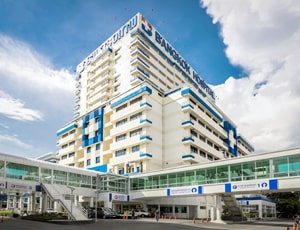
- The Best Hospital in Thailand Award (2020): This award recognizes Bangkok Dusit Medical Services (BDMS) as the best hospital in Thailand, based on patient satisfaction, clinical care, and advanced medical technology.
- The Joint Commission International Accreditation (2019): This accreditation recognizes BDMS's high standards of patient care, safety, and quality management.
- The Best Hospital Group in Thailand Award (2018): This award acknowledges BDMS as the top hospital group in Thailand, based on patient satisfaction, clinical care, and advanced medical technology.
- The Best Cardiac Services Hospital in Asia Award (2017): This award recognizes BDMS's Bangkok Heart Hospital as the top cardiac services hospital in Asia, based on patient satisfaction, clinical care, and advanced medical technology.
- The Best International Hospital in Thailand Award (2016): This award acknowledges BDMS's exceptional care and facilities for international patients, making it a top medical tourism destination in Thailand.
- Accreditation

Please Enquire

- Best Hospital in Bangkok in 2020 - Awarded by Global Health & Travel Awards for the hospital's excellence in patient care, technology, and facilities.
- Excellence in Patient Service Award in 2019 - Awarded by Healthcare Asia for the hospital's exceptional patient service, commitment to quality care, and innovative medical services.
- Hospital Accreditation in 2018 - Received accreditation from the Healthcare Accreditation Institute (HAI) for the hospital's high standards in patient safety, quality care, and medical services.
- Best Medical Tourism Hospital in 2017 - Awarded by the Thailand Tourism Awards for the hospital's focus on providing international patients with world-class medical treatments and personalized care.
- Outstanding Medical Institution in 2016 - Awarded by the Association of Southeast Asian Nations (ASEAN) for the hospital's exceptional contribution to the healthcare industry in the region.
- Accreditation


- Best Private Hospital in Thailand, 2020 - Phyathai 2 International Hospital was named the Best Private Hospital in Thailand at the Global Health and Travel Awards in 2020.
- Best Hospital for Medical Tourism in Asia, 2019 - Phyathai 2 International Hospital was named the Best Hospital for Medical Tourism in Asia at the Asia Pacific Healthcare and Medical Tourism Awards in 2019.
- Best Hospital in Thailand, 2018 - Phyathai 2 International Hospital was named the Best Hospital in Thailand at the Global Health and Travel Awards in 2018.
- Best Hospital in Bangkok, 2017 - Phyathai 2 International Hospital was named the Best Hospital in Bangkok at the Global Health and Travel Awards in 2017
- Accreditation

- Best Cosmetic Surgery Hospital in Thailand, 2021, Global Health & Pharma: Yanhee International Hospital was recognized for its exceptional cosmetic surgery services in Thailand.
- Best Aesthetic Clinic in Bangkok, 2020, International Medical Travel Journal Awards: This award recognized Yanhee International Hospital for its outstanding aesthetic clinic services in Bangkok.
- Best Hospital for Medical Tourism in Thailand, 2019, International Healthcare Commission: Yanhee International Hospital was awarded for its exceptional medical tourism services in Thailand.
- Best Hospital in Asia for Plastic Surgery, 2018, International Medical Travel Journal Awards: This award recognized Yanhee International Hospital for its outstanding plastic surgery services in Asia.
- Best Hospital for Dermatology in Thailand, 2017, International Medical Travel Journal Awards: Yanhee International Hospital received this award for its exceptional dermatology services in Thailand.
- Accreditation


- HA Accreditation - Recognized for meeting the highest standard of medical care and patient safety in Thailand
- Best Hospital for Medical Tourism 2018 - Awarded by the Thailand Ministry of Public Health for providing outstanding medical care to international patients
- Thailand Hospital Accreditation (HA) - Recognized for providing high-quality medical care, patient safety and excellent services
- Top Brand Awards Thailand 2019 - Recognized for its excellent performance in medical services and facilities
- Joint Commission International (JCI) accreditation - Awarded for meeting the highest international healthcare standards for patient care and safety
- Accreditation
Please Enquire

- Best Hospital for Medical Tourism in Thailand, 2019 - Kasemrad Hospital Ramkhamhaeng was awarded the Best Hospital for Medical Tourism in Thailand by Thailand Tourism Awards in 2019.
- Best Private Hospital in Thailand, 2018 - The hospital was recognized as the Best Private Hospital in Thailand by Global Health and Travel Awards in 2018.
- Best Women's Hospital in Thailand, 2017 - Kasemrad Hospital Ramkhamhaeng was named the Best Women's Hospital in Thailand by the Department of Health Service Support in 2017.
- Best Pediatric Hospital in Bangkok, 2016 - In 2016, the hospital was awarded the Best Pediatric Hospital in Bangkok by the Global Health and Travel Awards.
- Best Hospital for International Patients in Thailand, 2015 - The hospital received the award for the Best Hospital for International Patients in Thailand by the International Medical Travel Journal in 2015.
- Accreditation
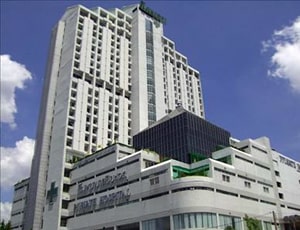
- Best Hospital in Thailand 2021 - Piyavate Hospital was named the best hospital in Thailand by the Global Health & Pharma Awards.
- Best Hospital for Medical Tourism 2020 - The hospital received this award from the Thai Ministry of Public Health for its excellence in medical tourism services.
- Best Private Hospital in Thailand 2019 - Piyavate Hospital was named the best private hospital in Thailand by the International Medical Travel Journal.
- Excellence in Healthcare Service Award 2018 - The hospital received this award from the Thailand Business Excellence Awards for its exceptional healthcare services.
- Best Hospital for Health Promotion 2017 - Piyavate Hospital was recognized for its health promotion efforts by the Bangkok Metropolitan Administration.
- Accreditation

- Best Private Hospital in Turkey for Cardiovascular Surgery, 2019, Stevie Awards: This award recognized Mali Interdisciplinary Hospital for its exceptional cardiovascular surgery services.
- Best Private Hospital in Turkey for Orthopedics, 2019, Stevie Awards: This award recognized Mali Interdisciplinary Hospital for its outstanding orthopedics services.
- Best Private Hospital in Turkey for Plastic Surgery, 2020, Stevie Awards: Mali Interdisciplinary Hospital received this award for its exceptional plastic surgery services.
- Best Private Hospital in Turkey for General Surgery, 2020, Stevie Awards: This award recognized Mali Interdisciplinary Hospital for its outstanding general surgery services.
- Best Private Hospital in Turkey for Obstetrics and Gynecology, 2020, Stevie Awards: This award recognized Mali Interdisciplinary Hospital for its exceptional obstetrics and gynecology services.
- Accreditation

Ask your healthcare adviser for the best multiple options and choose the one that meets your expectations
Request for an Expert Opinion

Outcomes of Angiography (Including Non-Ionic Contrast)
| Speciality | Cardiac Sciences |
| Procedure | Angiography (Including Non-Ionic Contrast) |
| Success Rate | 90% |
| Recovery Time | few hours |
| Treatment Time | 30 mins - 1 hour |
| Chances of Recurrence | Moderate |
What is Angiography (Including Non-Ionic Contrast), and how does it work?
Angiography is an interventional procedure performed by skilled interventional cardiologists. The procedure is done to check the health of your blood vessels and how blood flows through them. During this procedure, the patient is usually given a local anesthetic to numb the area (groin or wrist). A small cut is made, and a catheter- a thin, long tube- is inserted into the artery to examine the blood vessels and blood flow. In most cases, a dye is injected into the blood vessels to better visualize them. A series of X-rays are taken and studied. After the procedure, the doctors cover the area with bandages and stitches. Patients are usually discharged on the same day of the procedure.
What medical conditions can be treated through Angiography (Including Non-Ionic Contrast)?
Angiography, including non-ionic contrast, is a valuable diagnostic tool used to identify various problems affecting the blood vessels. This may include diagnosing conditions such as atherosclerosis, a narrowing of the arteries that increases the risk of stroke or heart attack. Furthermore, angiography can detect brain aneurysms and assess peripheral arterial disease, which affects the blood supply to leg muscles, potentially preventing life-threatening complications. Angina, a chest pain caused by decreased blood flow to the heart muscles, blood clots, and pulmonary embolisms, which affect the artery supply to the lungs, are some of the other conditions that can be diagnosed using angiography. Angiography also aids in the detection of blockages in the blood supply to vital organs such as the kidneys. Angiography may also be used to aid in treatment planning for some of these conditions.
What is the recovery process after an Angiography (Including Non-Ionic Contrast)?
Angiography is an outpatient procedure. The patient is usually discharged on the same day of the procedure. There might be some bleeding and discomfort immediately after a catheter is removed. Your doctor may advise you to rest for a few days. You might also increase your water intake for a few days after the procedure to flush out any contrast agents from your body. Heavy lifting and strenuous activities must be avoided for a few days after the procedure. Soreness and bruising are common after the procedure for a few days. It gets better after 2-3 days.
Frequently Asked Questions
The ranking of hospitals according to the procedure is based on a number of elements. Some of the major factors for ranking the hospitals for Angiography (Including Non-Ionic Contrast) in Bangkok are Infrastructure, procedure accessibility, procedure popularity, Technology, Cost-effectiveness, Experienced Doctors, Patient-care Facilities, and Success Rate
MediGence puts forth a lot of effort to make your medical travel of the finest quality, convenient, and affordable for you. By using our unmatched care services, you can have the best and hassle-free medical experience abroad. These caregiving services are airport transfers, accommodation, 24/7 assistance, Online consultation, Assigned Patient Coordinator, and Prebundled treatment packages with upto a 30% discount. To help you receive top-notch medical treatment, we also provide a number of additional benefits.
Yes. You can avail a video consultation with a specialist before you plan your medical travel. When one of our patient advisors contacts you about your inquiry, you can demand an online consultation with the specialist. They will verify the doctor's consultation availability. Once confirmed, a payment link will be provided to you so you may schedule your online consultation.
Many people around the world consider Angiography (Including Non-Ionic Contrast) in Bangkok to be trustworthy due to the high success rate and excellent hospital infrastructure. Additional factors make Bangkok the ideal option for Angiography (Including Non-Ionic Contrast). These include:
- Affordable treatment plans
- Experienced and certified specialists
- Accredited hospitals
- Latest medical technologies
- Transparency and data privacy
The length of recovery after treatment is determined by the patient's overall health as well as the criticality of the treatment. Rehabilitation and post-operative care play an important role in speeding up the recovery time and helping the patient to get back to their healthier self. It is recommended that the patient maintain regular contact with their surgeon for a few months after surgery to speed up recovery.