
Trusted by 100,000+ International Patients
Ovarian Cancer Treatment: Malaysia vs Singapore
Cost, Quality & Recovery Compared
$15000
Malaysia Starting Cost
$50000
Singapore Starting Cost
See how these top medical tourism destinations compare for Ovarian Cancer Treatment.
| Comparison Factor | Malaysia | Singapore | Winner |
|---|---|---|---|
| Average Cost (in USD) | 15000 - 45000 | 50000 - 200000 | Malaysia |
| Success Rate (Min and Max) | 65% – 88% | 65% – 90% | Singapore |
| Advanced Technology | Advanced gynecologic oncology surgery, minimally invasive and robotic tumour debulking, PET-CT imaging, BRCA genetic testing, targeted therapy, immunotherapy, and comprehensive chemotherapy programs in specialised cancer centres. | Advanced gynecologic oncology surgery, robotic and laparoscopic tumor debulking, PET-CT imaging, molecular testing (BRCA/HRD), and targeted therapy programs in tertiary cancer centres. | Both Equal |
| JCI Accredited Hospitals | 10+ | 10+ | Both Equal |
| Visa Process | Medical Visa / eVisa / Tourist Visa (3–5 working days) | Medical Visa / Short-Term Visit Pass | Both Equal |
*Costs are estimates and may vary based on hospital, complexity, and package inclusions. See detailed cost breakdown below
Understand exactly where your money goes. Both countries offer all-inclusive packages, but here's how the costs typically break down.
Best for Budget-Conscious Patients
Offered Package Price (Additional Cost Excluded)
Best for Flexible Donor Requirements
Offered Package Price (Additional Cost Excluded)
Top Hospitals: Mount Elizabeth Novena Hospital , Mount Elizabeth Hospital , Gleneagles Hospital , Parkway East Hospital
Want a personalized cost estimate based on your specific condition?
Get Your Free QuoteBoth Malaysia and Singapore maintain world-class healthcare standards with internationally accredited hospitals and highly trained medical professionals.
Hospitals in Malaysia are accredited by Joint Commission International (JCI) and Malaysian Society for Quality in Health (MSQH), ensuring high standards in oncology care and patient safety.
Outcomes depend on cancer stage and treatment approach; leading oncology centres follow international protocols such as NCCN and ESMO guidelines.
Healthcare is regulated by the Malaysian Ministry of Health (MOH), ensuring strict oncology treatment protocols, chemotherapy safety, and patient care standards.
Hospitals in Singapore operate under strict Ministry of Health (MOH) regulations with internationally recognised cancer centres and gynecologic oncology programs.
Outcomes depend on cancer stage and completeness of tumour debulking; specialised oncology centres follow NCCN and ESMO-aligned treatment protocols.
Healthcare services are regulated by the Singapore Ministry of Health with strict chemotherapy safety standards and oncology care guidelines.
| Quality Metric | Malaysia | Singapore |
|---|---|---|
Accredited Hospitals | 10+ | 10+ |
Average Success Rate | 65–88% | Yes |
Post-op Survival (1 Year) | 78–90% | Available |
Top Speciality Hospital Hubs | Kuala Lumpur, Penang | Singapore City |
Both countries have highly qualified and experienced medical specialists trained at premier institutions worldwide. Here's what sets them apart.
Gynecologic oncologists
Moderate to high volume
Gynecologic oncologists specialising in ovarian cancer surgery, cytoreductive procedures, HIPEC therapy, and chemotherapy protocols.
High-volume oncology centres managing complex gynecologic cancers with multidisciplinary tumor boards.
All surgeons listed on Medigence are verified for their medical license, board certifications, hospital affiliations, and patient outcomes. We conduct background checks and regularly update our database to ensure you're connected with the best medical professionals.
Beyond medical excellence, your comfort during treatment matters. Compare the patient experience at top hospitals in both destinations.

World-class hospitals, exceptional value
Hospitals in Malaysia offer advanced oncology centres with modern surgical theatres, robotic surgery systems, and specialised gynecologic oncology units. Facilities include radiation oncology, PET-CT imaging, molecular diagnostics laboratories, chemotherapy day-care units, and oncology ICUs to support complex cancer surgeries and treatments.

Luxury healthcare experience
Hospitals in Singapore have comprehensive cancer centres with advanced surgical theatres, robotic surgery systems, and specialised gynecologic oncology departments. These facilities include radiation oncology units, high-resolution imaging and pathology laboratories, and oncology ICUs to support complex cancer surgeries and chemotherapy treatments.
Plan your medical journey with confidence. Here's everything you need to know about travel, visas, and accommodation in both countries.
We provide end-to-end travel assistance including visa facilitation, airport pickups, hotel bookings near your hospital, and local support throughout your stay. Our patient coordinators handle all logistics so you can focus on recovery.
Understanding the recovery process helps you plan better. Here's what to expect after Ovarian Cancer Treatment in both countries.
Patients may undergo surgery followed by chemotherapy, targeted therapy, or immunotherapy, depending on cancer stage.
Close monitoring is done after surgery in specialised oncology units.
Multiple chemotherapy cycles may be required post-discharge.
Long-term follow-up includes imaging, CA-125 monitoring, and regular oncology consultations.
In-person follow-ups recommended at 3, 6, 12 months. Telemedicine available.
Patients may require surgery followed by chemotherapy or targeted therapy, depending on cancer stage.
Close monitoring occurs in the hospital immediately after surgery, before transitioning to recovery wards.
Regular follow-ups are required to monitor treatment response and manage chemotherapy cycles.
Long-term surveillance includes periodic imaging, blood tests (CA-125), and oncology consultations.
Comprehensive telemedicine follow-up program. Return visits at 6, 12 months if possible.
Ovarian Cancer Treatment recipients require lifelong immunosuppressant medications. Ensure you have a plan for obtaining these medications and regular blood monitoring in your home country before traveling abroad for surgery.
Every medical procedure carries risks. We believe in complete transparency so you can make a fully informed decision about your Ovarian Cancer Treatment journey.
Reduced through sterile surgical environments and advanced postoperative monitoring.
Common after abdominal surgery and managed with medications.
More likely in elderly or advanced-stage cancer patients.
Includes bowel injury, infection, or fluid buildup after surgery.
Chemotherapy may cause fatigue, nausea, hair loss, and reduced immunity.
The right choice depends on your specific situation. Here's a clear guide to help you decide which destination aligns with your needs.
Women diagnosed with early or advanced ovarian cancer requiring surgery, chemotherapy, targeted therapy, or comprehensive oncology care in multidisciplinary cancer centres.
Women diagnosed with early or advanced ovarian cancer requiring surgery, chemotherapy, targeted therapy, or comprehensive cancer management in specialised oncology centres with multidisciplinary treatment teams.
Our medical tourism experts can analyze your case and recommend the best destination based on your medical history and budget.
Follow this step-by-step framework to make the right choice for your Ovarian Cancer Treatment journey.
Assess cancer stage, tumour spread, and overall health to determine treatment approach.
Plan a budget including surgery, chemotherapy, diagnostics, travel, and accommodation.
Patients may need extended stay for treatment cycles.
Provide biopsy reports, imaging (CT/PET), and prior oncology records.
Ensure long-term follow-up including imaging, blood tests, and oncology visits.
Let our medical tourism experts guide you through the process. We'll help you:
No obligation • Free consultation • Response within 24 hours
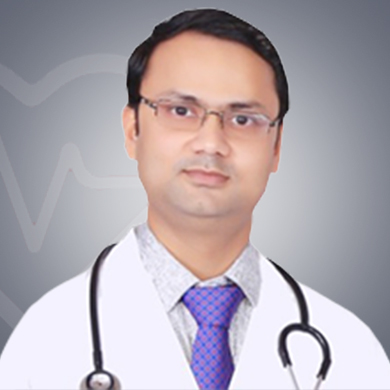
Surgical Oncologist
15 Years of Experience
Dr. Prateek Varshney is a renowned Surgical Oncologist. He has experience of more than 15+ years in surgical Oncology. He is currently practicing as a consultant at Metro Mass Hospital and Cancer Institute. He was also previously associated as a consultant with Sir Ganga Ram Hospital and as a professor at Gujarat Cancer Research Institute. View More
