Stroke Treatment in Singapore
- Top Accredited Hospitals
- Global Medical Standards
- Cutting-Edge Technology
- Proven Treatment Options
- High Success Rate
- Trusted by Millions

What is a Stroke?
When a portion of the brain loses blood flow, a stroke occurs. Within a few minutes, your brain cells begin to die because they are unable to receive the oxygen and nutrition they require from the blood. Long-term brain damage, permanent disability, or even death may result from this. Call an emergency immediately if you believe that you or someone else is having a stroke. In addition to improving the likelihood of a successful recovery and rehabilitation, prompt treatment may save a life.
What is the Importance of Timely Treatment?
Call an emergency immediately if you believe that you or someone else is having a stroke. In addition to improving the likelihood of a successful recovery and rehabilitation, timely treatment may save a life.
What are the Common Symptoms of Stroke?
Stroke symptoms frequently appear suddenly. Among them are:
- Abrupt weakness or numbness in the arm, leg, or face (particularly on one side of the body)
- Abrupt disorientation, difficulty speaking, or difficulty comprehending speech
Abrupt vision problems in one or both eyes - Suddenly having trouble walking, feeling lightheaded, or losing your balance or coordination.
- Unknown reason for an abrupt, intense headache
Causes and Risk Factors of Stroke
Causes
The two primary causes of stroke:
- Ischemic Stroke: This is where a blood clot obstructs or constricts an artery going to the brain, depriving it of blood. Atherosclerosis (development of plaque inside arteries) and blood clots are common reasons.
- Hemorrhagic Stroke: This occurs when a vessel in the brain ruptures and causes bleeding. High blood pressure, aneurysm, or head injury are the causes.
Risk Factors
Although everyone can have a stroke, specific individuals are more susceptible than others, such as those who:
- Over 65 years of age
- Smoke or consume nicotine or tobacco products in other ways
- Use medications recreationally or without a prescription
The following medical disorders can raise your risk of stroke:
- COVID-19
- Frequently occurring migraine
- Hypertension, or elevated blood pressure
- Elevated cholesterol levels, or hyperlipidemia
- Diabetes type 2
Connect with our advisor for a PRIORITY response
Latest Research and Technologies in the Treatment of Stroke in Singapore
Singapore is at the forefront of stroke treatment, leveraging cutting-edge technologies and research innovations. AI-powered neuroimaging tools are being utilised to enhance diagnosis speed and facilitate timely interventions during acute stroke incidents. In rehabilitation, there's an increasing use of robotics, virtual reality, and brain-computer interfaces to aid motor recovery. Additionally, portable rehabilitation devices with AI capabilities offer personalised therapy options at home, while EEG-based systems help patients regain function through mental imagery exercises. These advancements showcase a strong emphasis on faster recovery, improved accessibility, and better outcomes in stroke care.
Stroke Prevention Tips
The best strategy to lower your risk of stroke is to maintain your general health. Make an effort to:
- Eat a lot of nutritious foods and keep your weight within a healthy range
- Engage in regular exercise
- Control your cholesterol, blood pressure, and any underlying medical disorders.
- Give up smoking
- Get checked up every year or as frequently as your healthcare physician recommends.
- Many of the illnesses and problems that might lead to stroke may not show any symptoms at first and instead develop and worsen over time.
Treatment options for Stroke
Stroke Treatment: These stroke kinds are fundamentally treated by doctors using identical methods since they are caused by a blood clot or obstruction in the brain.
Cost Start From USD 12000 - USD 30000Explore Options
Craniotomy: A neurosurgeon will open and remove a portion of your skull during a craniotomy to gain access to the brain. The surgeon will reapply the fragment of the skull during the same procedure. A craniotomy is a significant procedure to treat and remove a blood clot or embolus obstructing blood supply to the brain for the treatment of a stroke.
Cost Start From USD 25000 - USD 50000Explore Options
VP Shunt: A ventriculoperitoneal shunt is performed on patients who have hydrocephalus and brain vascular disease because they may be at risk for acute ischemic stroke. A shunt is a hollow tube surgically inserted into the brain (or sometimes the spine) to help drain cerebrospinal fluid and reroute it to a different body part for reabsorption. Shunt treatments can alleviate the symptoms of hydrocephalus, including lack of bladder control, moderate dementia, and trouble walking.
Cost Start From USD 6000 - USD 25000Explore Options
A medical professional uses a neurological examination and tests to diagnose a stroke. If emergency services take you to the emergency room, the doctors there might diagnose a stroke.
To determine whether you have had a stroke, your doctor may do some of the following tests:
- Blood examinations
- CT scan
- EEG, or electroencephalogram
- MRI with electrocardiogram (EKG)
MediRehab (chain of Rehab centres - Part of MediGence) provides comprehensive rehabilitation services to support patients through Teleconsulations and online therapy sessions.
After a stroke, rehabilitation is necessary to help you adapt to the changes in your body and brain. You might need to adjust to new or different limitations or reclaim previously possessed talents. Perhaps you'll need a mix of:
- Enhance your memory, focus, and other mental skills with cognitive rehabilitation Occupational therapy can assist you in properly carrying out your everyday responsibilities, particularly those requiring precise body motions, such as chores. Physical treatment will help you regain the use of your arms and legs, strengthen your muscles, and improve your balance.
- Speech therapy can help you restore or enhance your language and speaking skills and manage the muscles involved in breathing, eating, swallowing, and talking.
- Depending on the situation, your healthcare professional may prescribe medicine to help control your symptoms and support the treatment plan.
Instantly Connect with our Specialists


Hospitals for Stroke in Singapore

Mount Elizabeth Novena Hospital
Novena, Singapore
Mount Elizabeth Novena Hospital located in Novena, Singapore is accredited by JCI. Also listed below are some of the most prominent infrastructural details:
- Capacity of 333 beds
- Intensive Care Unit beds
- Endoscopy beds
- Day ward with 20 beds
- 13 Operating Theatres, which includes 1 Neurological operating room, 2 Cardiac operating rooms, 4 Orthopaedic operating rooms, etc.
- High Dependency Unit (HDU)
- Neonatal Intensive Care Unit (NICU)
- 24/7 Accident & Emergency Department
- Maternity ward
- 1 major operating unit with 13 operating rooms inclusive of 1 hybrid theatre
- In-house Pharmacy
- Rooms are categorized as Single Signature Rooms, Junior Suite and Regal Suite
- All patient rooms are equipped with electric safe, LCD, sofa cum bed, wardrobe, radio channels, and much more

Parkway East Hospital
Singapore, Singapore
Parkway East Hospital located in Joo Chiat Pl, Singapore is accredited by JCI. Also listed below are some of the most prominent infrastructural details:
- Total capacity for 143 beds
- Hospital rooms are available- Single room, 2-bedded room (8), 4-bedded room (2), Deluxe room, and Orchid/Hibiscus Suite
- All rooms are equipped with all ensuite facilities like Free wifi, mini fridge, sofa couch, telephone, in-room safe, TV, etc.
- Maternity wards- Accredited as a baby-friendly hospital under the World Health Organisations Baby-Friendly Hospital Initiative (BFHI)
- 1 Neonatal Intensive Care Unit (NICU) with 14 cots
- Intensive Care Unit
- 1 Operation Theatre with 5 Operating rooms
- 1 Nursery with 30 cots
- 1 Parentcraft room
- 24-hour walk-in-clinic (for emergency)
- 24-hour Pharmacy

Mount Elizabeth Hospital
Singapore, Singapore
Mount Elizabeth Hospital located in Singapore, Singapore is accredited by JCI. Also listed below are some of the most prominent infrastructural details:
- 345 bedded Hospital
- Maternity wards
- The Mount Elizabeth Patient Assistance Centre (MPAC)
- 1 major operating unit with 12 operating rooms and 1 operating theatre dedicated to in vitro fertilisation (IVF)
- Intensive Care Unit
- High Dependency Unit (HDU)
- Neonatal Intensive Care Unit (NICU)
- Accident & Emergency Department
- Rooms are categorized as Single rooms, 2-bedded rooms, 4-bedded rooms, Executive deluxe suite, Daffodil/Magnolia suite, VIP Room, and Royal Suite
- All patient rooms are equipped with electric safe, LCD, sofa cum bed, wardrobe, radio channels, and much more
- Parking lot
Our Services to better your experience
Opinion & Option
We submit the most accurate opinion and options from one or more countries for your review
Consult Privately
Consult with a certified specialist privately on our telemedicine platform even before you decide to travel
Logistics
We handle flights, visas, transfers, and accommodation—so you can focus on your health.
Recovery
Our In-house rehabilitation service packages to better your recovery and treatment outcome
Why Choose Singapore for Stroke Treatment?
Here are some of the reasons for choosing Singapore:
- Due to advancements in medical facilities, such as minimally invasive surgical techniques and VP shunt.
- World-class experts include highly experienced doctors and JCI-accredited healthcare institutions.
- Compared to other countries, treatment in Singapore hospitals is cost-effective.
- Singapore’s hospitals provide international patient services, including a multilingual support system.
- Improved treatment methods and biological therapies.
Frequently Asked Questions
Restoring your regular blood flow may help lessen the severity of the injury or even prevent it altogether. For this reason, time is of the essence when treating a stroke. It's normal for the effects to persist even after treatment. Aftereffects and symptoms may continue for a year or more.
The nation's healthcare institutions offer top-notch treatment alternatives, guaranteeing successful outcomes for many patients. Depending on the underlying cause, treatment for Stroke in Singapore can be successful in controlling symptoms and improving quality of life.
Yes, many of Singapore’s hospitals offer the following for Stroke treatment:
- Advanced diagnostic tools like MRI, CT scan, electromyography, and PET scan for accurate diagnosis of Stroke
- Skilled neurologist, surgeons performing craniotomy and VP shunt for Stroke treatment.
- Comprehensive post-surgery care and rehabilitation for long-term health benefits
Always consider the following factors when selecting Singapore hospitals:
- Hospitals that are accredited (authorised by JCI).
- Patient reviews and success rates.
- Hospitals that provide seamless care to patients from abroad.
In Singapore, the success rate for treating strokes is quite impressive, with around 70.5% of patients getting timely thrombolytic therapy in 2020, which is higher than both local and U.S. averages. After experiencing a stroke, about 59.3% of patients survive for five years, though the long-term recovery can differ, with up to 60% facing some kind of disability. These outcomes reflect a strong healthcare system and ongoing improvements in stroke care protocols.
You have to look out for the following signs and then get it checked by a healthcare professional: Severe headache, possibly with vomiting. Trouble with vision or moving the eyes. Weakness or numbness on one side of the body or face.
Long-term effects may include the following:
- One side of the body is weak or paralysed, having trouble swallowing
- Reduced balance and coordination
- Numbness or pain in the afflicted areas
- Shoulder pain brought on by inadequate arm support
- Issues with memory
- Having trouble with judgment and logic
- Problem-solving difficulties, Communication effects
- Aphasia is the inability to speak, understand, read, or write
- Loss of peripheral vision
- Double vision
- Visual neglect (ignoring one side of the visual field)
Child care after stroke involves providing a supportive and safe environment for recovery. Follow the physician's prescription and recommendations for physical and occupational therapy. Cognitive development, mobility assistance, and mild exercise can be encouraged by brain-stimulating activities. During recuperation, provide the child with comfort, patience, and support. Follow up on medical visits and continue with a healthy diet.

Reviewer
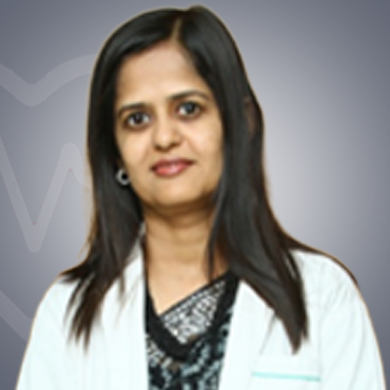
Dr Sonal Gupta
Neurosurgeon
29 Years of Experience
Dr. Sonal Gupta has an experienced neurosurgeon with more than 29+ years of clinical expertise. She is currently the Director, Neuro & Spine Surgery at Fortis Hospital, Shalimar Bagh. Before joining Fortis, she has been associated with various organizations such as Maharaja Agrasen Hospital, Action Balaji Hospital, and Max Hospital. View More
Last Reviewed - January 2026