Spinal Fracture Treatment in India
- Top Accredited Hospitals
- Global Medical Standards
- Cutting-Edge Technology
- Proven Treatment Options
- High Success Rate
- Trusted by Millions

What is a Spinal Fracture?
Under significant trauma or pressure, a Spinal Fracture results in the complete shattering and crushing of the vertebrae. Multiple breaks affect the vertebra when such fractures occur. The severity of such an injury exists because fragmented vertebrae endanger nearby nerves and spinal cord tissues. Spinal Fractures mainly occur throughout the thoracic portion of the backbone and the lumbar region.
What is the Importance of Timely Treatment?
Spinal Fracture treatment must be provided promptly since these ruptures can cause lasting disabilities without proper medical intervention. Here's why it’s crucial:
- Treatment of Spinal Fracture becomes vital since displaced spinal canal pieces increase risks of spinal cord compression, which could result in paralysis. The early medical response helps stop and reduce potential tissue damage as a result of this kind of spinal injury.
- An Unmanaged Spinal Fracture will result in prolonged pain alongside permanent disabilities together with diminished motor function, primarily when the condition impacts the spinal cord.
- Patient recovery times shorten, results improve because of early diagnosis followed by suitable treatment approaches such as surgical intervention and non-surgical measures.
What are the Common Symptoms of Spinal Fracture?
- Severe back pain
- Neurological symptoms
- Numbness or tingling
- Weakness in the limbs or paralysis
- Loss of bowel or bladder control
- Spinal deformity
Causes and Risk Factors of Spinal Fracture
Causes
- Car accidents
- Sports injuries
- Significant Falls
- Work-related accidents
- Osteoporosis
- Age-related Degeneration
- Tumours or Infections Spinal tumours
- Spinal Deformities Conditions like scoliosis
- Heavy Lifting or Poor Posture
Risk Factors
- Age
- Gender
- Bone Health (Osteoporosis)
- Previous Fractures
- High-Impact Activities or Occupations
- Smoking
- Excessive Alcohol Consumption
- Low Body Weight
- Spinal Conditions
- Medication Use
Connect with our advisor for a PRIORITY response
Latest Research and Technologies in the Treatment of Spinal Fractures in India
The medical treatment of Spinal Fracture in India adapts the latest research and technologies to meet worldwide clinical standards and healthcare capabilities.
- Minimally Invasive Surgery (MIS): Percutaneous Pedicle Screw Fixation and Vertebroplasty/Kyphoplasty for less invasive stabilisation.
- 3D Printing & Customized Implants: Using 3D printing techniques creates individualised implant devices that improve spinal alignment and contribute to better patient recovery.
- Robotics & Navigation: Robot-assisted spine surgery and intraoperative navigation systems for enhanced precision and outcomes.
- Biological Enhancements: Stem cell treatment and Bone Morphogenetic Proteins (BMPs) provide patients with accelerated bone healing.
- Spinal Cord Injury Management: Spinal cord stimulation is a neuroprotection method that helps patients heal better while decreasing damage to their nervous system.
- AI & Machine Learning: AI diagnostics and machine learning analytics optimise treatment decisions through better performance information.
Spinal Fracture Prevention Tips
The risk of spinal fractures is reducible through both lifestyle modifications and preventive practices despite unalterable risk variables such as age and gender.
- Performing bone-strengthening activities incorporating weight-bearing and resistance exercises enables density improvements in bones and the strengthening of spinal-supporting muscles.
- Nutritional food containing calcium and vitamin D is essential for preserving healthy bones.
- Regular bone condition screenings should be performed on women following menopause and on all individuals through tests that assess bone density.
- People should minimise their smoking and heavy alcohol use to defend their bone structures, along with reducing their chances of accidents.
- When performing risky activities for the spine, you should use correct lifting methods and wear protective equipment.
- Preventing falls at home through hazard removal requires special attention for elderly individuals.
Treatment options for Spinal Fracture
The medical treatment for Spinal Fractures requires evaluating the fracture severity, neural involvement, and patient medical condition. The treatment approaches consist of the following elements:
Spinal Fusion : The procedure requires doctors to join several vertebral bones to ensure the injured location remains still during the healing process.
Cost Start From USD 6500 - USD 9500Explore Options
Laminectomy: The surgical procedure includes easing the nerve pressure and spinal cord pressure, mainly when patients experience spinal cord compression or nerve root compression because of a Spinal Fracture.
Cost Start From USD 3000 - USD 5000Explore Options
Bone Morphogenetic Proteins (BMPs): Through clinical application, BMPs stimulate new bone formation in patients during the healing process of Spinal Fractures.
Kyphoplasty : Through the kyphoplasty procedure, healthcare providers restore the standard height of the vertebra next to avoid deformations.
Cost Start From USD 2500 - USD 4500Explore Options
A decompression procedure becomes needed to reduce nerve compression when spinal cord pressure occurs from the fracture. Flooding pressures occur on spinal nerves and the spinal cord, thereby requiring decompression treatment.
These are the standard diagnostic methods for diagnosing Spinal Fractures:
- Clinical Evaluation:
- History and Symptoms: During the assessment, the physician needs to complete information about the injury and evaluate symptoms of back pain, numbness, and weakness to determine spinal cord involvement.
- Physical Examination: Physical check-ups examine spinal nerves and nerve compression and evaluate the spine tenderness levels.
- Imaging Studies:
- X-rays (Radiographs): These tests provide vital information about vertebral bone fractures, displacement of bones, and difficulties with spinal position.
- CT Scan (Computed Tomography): The technique displays original bone structures in a three-dimensional format to calculate the extent of vertebrae compression and fracture.
- MRI (Magnetic Resonance Imaging): This method shows providers detailed pictures of soft tissues to investigate compression or swelling.
- Neurological Assessment:
- Neurological Tests: The assessment of spinal cord involvement requires extra neurological testing to evaluate damage extent based on reflexes evaluation, muscle strength assessment, and sensory function evaluation.
- Electromyography (EMG) and Nerve Conduction Studies: The procedure of EMG and nerve conduction studies evaluates muscle electrical activity and nerve conduction speed when doctors suspect nerve root compression or nerve damage.
MediRehab (a chain of Rehab centres, part of MediGence) provides comprehensive rehabilitation services designed to support patients in India. Additional services are as per the patient's requirement. These services include:
- Post-Surgical Rehabilitation: Physical therapy strategies focus on spinal stabilisation, strengthening core muscles, and improving patient flexibility.
- Non-Surgical Rehabilitation: Patients should begin walking alongside gentle, low-impact aerobics to enhance posture strength and flexibility after pain relief.
- Neurological Rehabilitation: Robotic-assisted walking systems and functional electrical stimulation devices benefit recovery.
- Lifestyle Modifications: Patients must obey proper dietary guidelines that supply calcium and vitamin D to facilitate bone recuperation with low-impact exercises.
- Assistive Devices: The patient may need assistive devices such as wheelchairs, walkers or braces to enhance their mobility in cases of severe impairment and to improve their quality of life.
An individual with a Spinal fracture requires medication therapy, including analgesics. Supplements with calcium and vitamin D help healing processes through medical support.
Instantly Connect with our Specialists


Hospitals for Spinal Fracture in India

Indian Spinal Injuries Centre
Delhi, India
Indian Spinal Injuries Centre located in New Delhi, India is accredited by NABH. Also listed below are some of the most prominent infrastructural details:
- Fully-equipped comfortable in-patient rooms
- 178 patient beds
- State-of-the-art Intensive care units (ICU)
- 6 operation theatres backed by latest diagnostic and treatment facilities
- 24 hr Emergency and Ambulance services
- Rehabilitation Department
- Provides Telemedicine services in collaboration with Tata Communications
- Separate Rehabilitation unit
- Indian Spinal Injuries Center (ISIC) is more than just a hospital it is also a research and training center affiliated to one of the popular universities in India. Its on-the-job training provision attracts students and interns from all over the nation
- ISICs International Patient Department to provide entire assistance to international patient throughout their medical stay
- The hospital is working with colleagues in Germany to set up a Biomechanical testing Laboratory
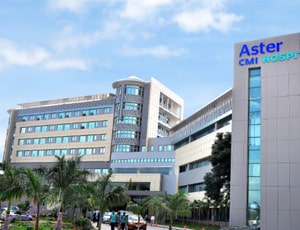
Aster CMI Hospital
Bangalore, India
Aster CMI Hospital located in Bengaluru, India is accredited by JCI, NABH. Also listed below are some of the most prominent infrastructural details:
- Around 500 bed capacity
- Primary care to Quaternary care services
- Outpatient and inpatient departments
- Day care center for small children
- Availability of Surgical suites
- Intensive Care Units
- 24-hour Emergency and Trauma Care
- Emergency Unit especially for children
- Newly launched the Lung and Heart Transplant Centre
- Video Consultation with doctors available on GraphMyHealth
- A specialised Aster Center of Excellence for Women & Children
- Latest Minimally Invasive Procedures being performed
- Safe Interventional Procedures
- Control of Infection protocols are strictly followed
- Aster Holistic Collaborative Care: Aster Palliative Care for lowering suffering if critically ill patients, Physical Medicine & Rehabilitation, Aster Wellness, Psychology, Chronic Pain Management, Nutrition & Dietetic, Podiatry Care etc.
- 11 Centers of Excellence
- An academics focus with BSc Program, MEM Program, Pediatric Fellowship Program
- A streamlined International patient care center with dedicated services and technology enabled processes

MGM Healthcare
Chennai, India
There are a wide variety of healthcare facilities and specialized, targeted treatments provided by MGM HealthCare. Some of its most prominent services are listed below:
Institute of Heart and Lung Transplant and Mechanical Circulatory Support: Well renowned for having the third-highest number of heart transplants in a year (102) and also the successful completion of several other transplant surgeries and cardiac surgeries.
Cardiac Sciences: They offer a variety of screening tests and facilities including Tilt Table Test, Coronary Angioplasty and Stenting, CT Angiography, Coronary Artery Bypass Grafting, Stress Echocardiogram, Cardiac Stress Test and Cardiac Catheterisation.
Obstetrics and Gynaecology: They provide all services to ensure a woman’s well-being. Some of the services offered are Menstrual Cramps Treatment, Colposcopy, Myomectomy, Vaginal Hysterectomy, Breastfeeding Support, Ovarian Cyst Removal, Menopause Management, Vaginal Birth After Caesarean (VBAC), and Menorrhagia Treatment.
Orthopedics: Bilateral Knee Replacement, Total hip Replacement, and Knee Arthroscopy are all the procedures that are offered in this department.
Liver Transplantation: An exceptionally skilled team of professionals who have performed over 4,000 liver transplant surgeries and an operation theatre and ICU specifically dedicated to HBP surgery is available at the patient’s disposal.
Emergency Medicine: MGM Healthcare has a fully functioning facility dedicated to emergency medicine that operates 24 hours a day and 7 days a week.
Oncology: The patients will be in the safe hands of well-trained medical personnel qualified in the field of oncology and specialize in procedures like Bowel resection surgery, Biopsy, Lumpectomy, Liver Resection Surgery, Lung Cancer resection surgery, Lymph Node Surgery, and Laparoscopic Prostatectomy. They also provide cancer treatments like Chemotherapy, Immunotherapy, and Targeted Therapy.
Anaesthesiology and SICU: They specialize in the field of local, general and regional anesthesia and work to assist doctors during surgical procedures.
Neurosciences and Spine: The doctors in this department handle difficult procedures like Brain Tumour Surgery, Spine Reconstructive Surgery, Neuro Surgeries, and Spine Surgeries with the utmost ease and professionalism. They also have a specific area dedicated to Neuroanaesthesia and NeuroCritical Care.
Do visit the environment-friendly medical facility in Chennai and experience medical excellence.
Our Services to better your experience
Opinion & Option
We submit the most accurate opinion and options from one or more countries for your review
Consult Privately
Consult with a certified specialist privately on our telemedicine platform even before you decide to travel
Logistics
We handle flights, visas, transfers, and accommodation—so you can focus on your health.
Recovery
Our In-house rehabilitation service packages to better your recovery and treatment outcome
Why Choose India for Spinal Fracture Treatment?
Several advantages exist for choosing India as the destination for Spinal Fracture treatment.
- Effective Cost: The cost of medical treatment in India proves more economical than Western pricing yet remains equivalent to high-end treatment standards. The treatment path covers operative steps and follows all post-surgical phases.
- World-Class Infrastructure: The healthcare system in India operates multiple facilities accredited at the international level, which combine highly experienced orthopaedic surgeons who receive patients with complicated spine injuries, including Spinal Fractures.
- Advanced Technology: The diagnosis and treatment in Indian medical centres benefit from state-of-the-art equipment and cutting-edge procedures, including minimally invasive surgical methods and robotic-assisted solutions.
- Skilled Specialists: Doctors specialising in orthopaedics and neurosurgery are in high numbers throughout India because Indian medical specialists possess international recognition for their outstanding spinal treatment capabilities.
- Language Support: Indian hospitals offer multilingual support to fulfil international patient needs by assisting in numerous country languages.
Frequently Asked Questions
Medical experts generally advise surgery as a treatment solution when a Spinal Fracture results in both spinal instability and nerve problems. The condition may be treated without surgery when both fracture stability exists alongside no nerve damage presence.
The recovery duration from spinal fracture surgery spans three to six months, depending on the extent of fracture severity and the surgical procedure combined with the patient's health status. The complete healing process might take one year in certain situations, with physical therapy as essential to recovery.
Spinal Fracture treatment can lead to complications such as:
- Infection
- Bleeding
- Blood clot formation
- Nerve deficits or problems
- Spinal fusion complications
The success rates are above 80-90% for spinal fusion and decompression and minimally invasive surgeries despite variations from the fracture severity to surgical type and the patient's general health condition.
The medical community in India consists of numerous experienced orthopaedic and neurosurgeons who deal with such complex spinal conditions as Spinal Fractures. They have attained education and training at leading global institutes.
Healing requires patients to complete physical therapy, manage pain levels, and attend scheduled follow-up appointments. Patients needing spine stabilisation support must wear a brace or supports after the surgical procedure. Your doctor will show you the proper steps to recover successfully.
The leading Indian hospitals conduct fracture evaluations and treatment with modern equipment that includes:
- MRI
- CT scans
- X-rays
- Minimally invasive surgery approaches
- Robot-assisted surgeries
- Spinal fusion
Indian hospitals provide extensive medical-servicing solutions for patients who choose to come from abroad.
- Visa Assistance
- Airport Pick-up and Drop-off
- Accommodation Arrangements
- Language Support
- Tailored Packages
- Collaborations with Medical Tourism Agencies
Yes, if a spinal fracture results in spinal cord injury, it can lead to paralysis. The severity of paralysis depends on the location of the injury (higher injuries, such as in the cervical spine, can result in quadriplegia, while lower injuries may cause paraplegia). Prompt treatment is essential to minimise neurological damage.
Treatment through surgery is not mandatory in all situations of spinal fractures. Medical professionals can manage various stable spinal fractures through three treatment approaches: rest, bracing, and physical therapy protocols. Stable fractures, along with those affecting nerve compression or causing spinal cord damage, require surgical treatment to both stabilise the area and relieve nerve or spinal cord compression.
People with stable spinal fractures can obtain full recovery with either rest-based care or bracing without undergoing surgical procedures. A professional medical evaluation of the injury remains essential to assess healing processes and avoid future medical risks. Unattended fractures, particularly those defined as unstable, will produce lasting problems, including spinal deformities along with pain and nerve damage.

Reviewer

Dr Sonal Gupta
Neurosurgeon
29 Years of Experience
Dr. Sonal Gupta has an experienced neurosurgeon with more than 29+ years of clinical expertise. She is currently the Director, Neuro & Spine Surgery at Fortis Hospital, Shalimar Bagh. Before joining Fortis, she has been associated with various organizations such as Maharaja Agrasen Hospital, Action Balaji Hospital, and Max Hospital. View More
Last Reviewed - January 2026