Spinal deformities Treatment in India
- Top Accredited Hospitals
- Global Medical Standards
- Cutting-Edge Technology
- Proven Treatment Options
- High Success Rate
- Trusted by Millions

What are Spinal Deformities?
Spinal deformities are abnormal curvatures or misalignments of the spine that can affect a person's posture, function, and overall health. They can be acquired due to trauma or illness, developmental or congenital; that is, they exist from birth.
Types of Spinal Deformities
The common types of spinal deformity include the following:
Scoliosis: The curvature of the spine leads to its bending sideways with an "S" or "C" shape. This condition may be diagnosed at any age, but adolescence is the peak. In some cases, the cause is not known, but the reasons may also include conditions like muscular dystrophy and cerebral palsy.
Kyphosis is an extreme outward curving of the upper spine that results in a rounded or hunched back. It can be caused by osteoporosis, degenerative illnesses, or ageing itself. Kyphosis can occasionally be trauma-induced or congenital.
Lordosis: The severe inward curvature of the lower back (lumbar spine), known as lordosis, is frequently called a "swayback." Obesity, bad posture, and specific illnesses like muscular dystrophy or spondylolisthesis can all contribute to it.
Spondylolisthesis is a condition that causes spinal misalignment when one vertebra slides out of position over the one beneath it. It can cause pain and nerve compression and frequently affects the lower back.
What is the Importance of Timely Treatment?
Addressing spinal abnormalities as soon as possible reduces pain, prevents the condition from worsening, and prevents complications like respiratory problems or nerve compression. Physical therapy, bracing, or monitoring are examples of early interventions that can help preserve function and mobility while avoiding the need for more invasive procedures like surgery.
It also improves long-term results, lowers the risk of secondary health problems, and improves the general quality of life—especially for kids and teenagers whose spines are still growing—by maintaining posture, mobility, and self-esteem. Early detection and management are essential to achieve the best results.
What are the Common Symptoms of Spinal Deformities?
Some common symptoms of spinal Deformities are mentioned below:
- Changes in posture that are noticeable (leaning or hunching)
- Stiffness or discomfort in the back
- Difficulty breathing (particularly in severe cases with kyphosis)
- Decreased range of motion
- Weakness, tingling, or numbness if nerves are impacted
Causes and Risk Factors of Spinal Deformities
Causes
There are several causes of spine abnormalities, and these may include
- Congenital: Poor spine growth at birth, such as congenital scoliosis.
- Neuromuscular: Conditions that affect the muscle's ability to control, like muscular dystrophy or cerebral palsy.
- Degenerative: Diseases that will slowly, over time, result in weakening the spine, including, but not limited to, osteoporosis, degenerative disc disease, and others.
- Trauma: The spine's alignment due to fractures and injuries caused by accidents.
- Spinal infections or tumours can result in deformity or misalignment among infections or tumours.
- Some postural problems include muscle imbalances, obesity, and poor posture, often manifested in children and adolescents.
Risk Factors
The following are risk factors for spinal deformities:
- Age, gender, and genetics
- Neuromuscular disorders
- Being overweight
- Bad posture
- Injury
Connect with our advisor for a PRIORITY response
Latest Research and Technologies in the Treatment of Spinal Deformities in India
According to research by the NIH, among other institutions, treating spinal anomalies often involves multimodal approaches, including physical therapy, bracing, and, in some cases, surgical intervention. The patient's age and the type and extent of the deformity must be considered in determining the result of such treatment. Research also shows that early identification and treatment can ensure the maintenance of mobility, enhance posture, minimise pain, and prevent the condition from worsening further.
Spinal Deformities Prevention Tips
Preventing spine disorders requires a healthy lifestyle, attention to posture, and physical activity. The advice that follows can help reduce the risk:
- Maintain Posture: Good posture is essential for preventing excessive strain on the spine when standing, sitting, and walking.
- Regular Exercise: Try yoga, swimming, or strength training to improve flexibility and develop core muscles. A healthy core prevents misalignment and supports the spine.
- Lift Properly: When lifting anything, bend your knees and maintain a straight back to prevent damage or strain on your spine.
- Remain Active: Frequent exercise lowers the risk of degenerative diseases like osteoporosis by preserving muscle strength and bone density.
- Maintaining a Healthy Weight and a balanced diet is essential because being overweight can strain the spine and increase the chance of abnormalities.
- Wear Supportive Footwear: Good footwear that provides adequate arch support can help you stay aligned and lessen back strain.
- Avoid sitting for long periods: If you are sedentary, take time off often and stretch to avoid muscle stiffness and strain on your spine.
Treatment options for Spinal deformities
Spinal Fusion: The most common surgical procedure for severe spinal deformities is spinal fusion, where two or more vertebrae are permanently joined together. This operation is usually recommended when other nonsurgical measures, such as bracing or physical therapy, have failed and the deformity causes severe discomfort, nerve compression, or functional issues.
Cost Start From USD 6500 - USD 9500Explore Options
- Clinical assessment:
- Physical Examination
CheckforPostureandAlignment: Your doctors will examine the patient's posture and spine alignment for any known anomalies, such as a hunched back or irregular curvature.
Movement and Flexibility Tests: To evaluate pain, stiffness, or mobility, the physician may ask the patient to bend or move in different directions.
Neurological Exam: This involves assessing sensation, muscle strength, and reflexes for nerve injury or compression signs.
- Imaging Tests:
- X-rays are the most widely used diagnostic tools for assessing bone alignment and curvature, and they aid in diagnosing conditions, including kyphosis and scoliosis.
- Magnetic Resonance Imaging (MRI) offers detailed pictures of soft tissues, such as ligaments, discs, and nerves. It aids in detecting soft tissue problems, such as herniated discs and nerve compression.
- CTscans depict fine cross-sectional images of the spine's bone structure, which is helpful, especially in more complex cases or when MRIs and X-rays are inconclusive.
- Scoliometer: A simple device used to measure the amount of curvature in the spine, commonly in cases of scoliosis, to determine the need for further imaging.
- Bone Scintigraphy (Bone Scan) involves using small amounts of radioactive material to detect spine malignancies, fractures, or infections.
- The DEXA scan, also known as the bone density test, measures bone strength to detect osteoporosis, which can result in abnormalities like kyphosis.
MediRehab (chain of Rehab centres - Part of MediGence) provides comprehensive rehabilitation services designed to support spinal deformity patients in India. These services include:
- Individualised therapy plans include exercises to increase mobility, control discomfort, and build stronger muscles surrounding the spine.
- Post-operative rehabilitation: After surgery, physical treatment restores function, strength, and flexibility.
- Depending on your spinal condition, your doctor may prescribe some medications to help control your symptoms and support the treatment plan.
Instantly Connect with our Specialists


Hospitals for Spinal deformities in India

Manipal Hospitals Goa, Dona Paula
Panjim, India
Manipal Hospital Goa, a 235-bed multi-speciality hospital under Manipal Health Enterprises, is located in Dona Paula, Panaji. Spread across 6 acres overlooking the Arabian Sea, it offers world-class preventive, curative, and rehabilitative care supported by modern ICUs, modular OTs, and 24x7 diagnostic and pharmacy services. The hospital performs over 1,800 surgeries annually across key specialties such as cardiology, oncology, orthopaedics, neurosurgery, and nephrology. With a skilled team of doctors and staff, it ensures patient-centric care and safety. Its International Patient Care Centre and MARS ambulance service further enhance accessibility, making it one of Goa’s most trusted healthcare destinations.

Fortis Hospital
Mohali, India
Fortis Hospital, Mohali, is a leading 400+ bed tertiary care hospital across 8.22 acres, accredited by JCI, NABH, and NABL, offering 42 specialties. The hospital excels in Cardiac Sciences, Oncology, Neurosciences, Orthopaedics, Robotic Surgery, and Transplants. Fortis Cancer Institute provides advanced cancer care with robotic surgery, LINAC, PET-CT, and a multidisciplinary Tumor Board. The Cardiac Centre features 3 high-end cath labs, heart transplants, and expert cardiologists. Neurosciences and Orthopaedics Centres offer advanced brain, spine, joint, and trauma care. Fortis Paalna ensures world-class maternity and neonatal services, including high-risk pregnancy management and stem cell collection, making it a top healthcare destination in North India.

Metro Hospital
Noida, India
Metro Hospital located in Noida, India is accredited by ISO, NABH, NABL. Also listed below are some of the most prominent infrastructural details:
- Metro Hospital is a 317 bedded state-of-the-art super speciality hospital, which is functioning as two units- 110 beds capacity in Metro Heart Institute and 207 beds capacity in Metro Multispeciality Hospital
- 45 beds in Intensive Coronary Care and High Dependency Unit
- 24/7 Blood Bank
- 24/7 Pharmacy
- 24/7 Cardiac Ambulance
- 24/7 Emergency unit
- Different types of patients in-patient rooms are available for patients convenience- Super Deluxe rooms (8), Deluxe Rooms (2), Private Rooms (6), Semi-private rooms (14), Triple bedded rooms (6), Four bedded rooms (8), Five bedded rooms (5) and Six bedded rooms (12)
- Cafeteria/Restaurant
Our Services to better your experience
Opinion & Option
We submit the most accurate opinion and options from one or more countries for your review
Consult Privately
Consult with a certified specialist privately on our telemedicine platform even before you decide to travel
Logistics
We handle flights, visas, transfers, and accommodation—so you can focus on your health.
Recovery
Our In-house rehabilitation service packages to better your recovery and treatment outcome
Why Choose India for Spinal Deformities Treatment?
For the treatment of spinal abnormalities, India is growing in popularity for several significant reasons:
- Reasonably priced medical treatment
- Modern Healthcare Facilities
- Expert Surgeons
- Reduced Waiting Times
- Comprehensive Care
- Global Patient Assistance
Frequently Asked Questions
No, most back pain doesn't result from a spinal disorder. While some spinal disorders cause misalignment and pressure on nerves, other causes include injury, ruptured discs, poor posture, strained muscles, and many diseases, such as arthritis. Hence, it becomes essential to communicate with a physician if the backache is severe and persists.
The kind and severity of the spinal abnormality determine how the condition should be treated. Milder cases are treated through physiotherapy, bracing, and pain management to strengthen the muscles, improve posture, and decrease discomfort. However, worse cases may require surgery, spinal fusion, or other forms of treatment to stabilise the spine.
Routine monitoring is also essential to monitor the changes, especially in growing children. Exercise and good posture are other lifestyle changes that help manage symptoms and prevent them from worsening.
The time it takes to recover from spinal deformity surgery depends on the type of surgery and the patient's general condition. Generally, a full recovery takes three to twelve months. The first phase may involve a few days in the hospital, followed by weeks of little activity. Physical therapy is generally advised to assist in restoring strength and mobility.
We provide thorough therapy for spinal abnormalities at MediRehab, a part of the well-known MediGence Healthcare organisation. A key component of our strategy is physical therapy, which aims to increase flexibility, reduce pressure on the spine, and strengthen the muscles that support it. Our qualified therapists use specific exercises to relieve pain, improve posture, and stabilise the spine. MediGence is available to help you properly manage and treat spinal abnormalities.
No other alternatives exist to treat the spinal abnormalities, which may be severe with spinal fusion. Different therapies are considered individually because surgery is a common and effective treatment to stabilise the spine and correct severe curvature.
Such interventions include osteotomy of the spine (re-alignment surgery), disc replacement in certain situations, or corrective surgery (rods, screws, or braces). Non-surgical treatment like bracing, pain management, or physical therapy may be used in certain conditions before choosing surgery.
Bracing is an essential nonsurgical therapy for spinal anomalies, especially scoliosis. It also prevents the growing deformity of scoliosis in developing children and teenagers. In addition to achieving better alignment and stabilising the spine, the brace lowers the risk of the curvature worsening.
Bracing might be a beneficial treatment approach even when it fails to correct the deformity completely in cases with minimal severity because it can successfully avoid surgery.
Yes, children and adolescents can suffer from spine deformities such as kyphosis (forward bending or hunchback), lordosis (exaggerated inward curve), and scoliosis (sideways curvature). In most cases, such deformities can have hereditary causes, growth anomalies, or other underlying diseases that might lead to severe deformities in posture, movement, or quality of life.
Untreated spinal abnormalities can result in chronic discomfort, decreased movement, and nerve damage. Scoliosis, for example, can deteriorate over time, impairing heart and lung function. Muscle strain and joint deterioration can also result from postural abnormalities. Early treatment is essential to avoid these long-term issues and enhance quality of life.
Yes, spinal deformities can lead to other health problems, including:
- Breathing problems
- Cardiovascular issues
- Persistent pain
- Compression of nerves
- Degeneration of the joints
- Problems with balance and mobility

Reviewer
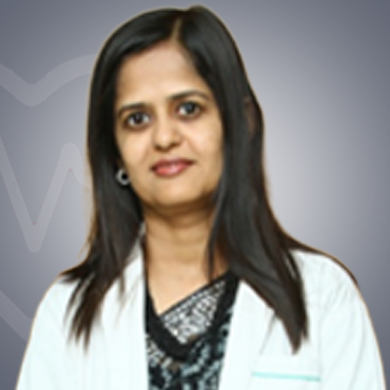
Dr Sonal Gupta
Neurosurgeon
29 Years of Experience
Dr. Sonal Gupta has an experienced neurosurgeon with more than 29+ years of clinical expertise. She is currently the Director, Neuro & Spine Surgery at Fortis Hospital, Shalimar Bagh. Before joining Fortis, she has been associated with various organizations such as Maharaja Agrasen Hospital, Action Balaji Hospital, and Max Hospital. View More
Last Reviewed - January 2026