Skeletal Dysplasia Treatment in India
- Top Accredited Hospitals
- Global Medical Standards
- Cutting-Edge Technology
- Proven Treatment Options
- High Success Rate
- Trusted by Millions

What is Skeletal Dysplasia?
A class of uncommon genetic diseases known as skeletal dysplasia results in aberrant bone, joint, and cartilage formation in infants. The legs, arms, ribs, skull, and spine are the most often affected portions of the body, though skeletal dysplasia can affect different sections of the body in different children.
What is the Importance of Timely Treatment?
Timely treatment is important because skeletal dysplasia may lead to compression of the craniocervical junction, obstruction of the upper airway, or thoracolumbar kyphosis and these are severe consequences that can result in life-threatening health problems. Based on particular physical and radiological characteristics, the diagnosis can be made with ease in the early stages of infancy.
What are the Common Symptoms of Skeletal Dysplasia?
Skeletal dysplasias frequently manifest as the following symptoms:
- Arm and/or leg bone shortening
- Bones that are bent or broken
- A little thorax
- Unusual ribs
- A limb is absent
- One leg is longer than the other due to asymmetrical bone development
- Duplication of fingers or toes
- Thin, thickened, or irregular bones.
Causes and Risk Factors of Skeletal Dysplasia
Causes
Skeletal dysplasia is diagnosed based on a number of possible reasons. While some types of dysplasia have an unknown etiology, the majority are diagnosed due to a change in a person's DNA.
Among the causes of Skeletal dysplasia are:
Familial: A child's small stature may be typical if their parents and other family members are also short
A genetic mutation is a change in an individual's DNA
A growth hormone shortage occurs when the brain produces insufficient amounts of the hormone that promotes bone growth
Some children are short earlier in life because they are genetically predisposed to grow later than their contemporaries, a condition known as late bloomer (constitutional delay). Sometimes a similar pattern of growth runs in the family
Malnutrition: A child's capacity to develop can be impacted by inadequate nutrition.
Connect with our advisor for a PRIORITY response
Skeletal Dysplasia Prevention Tips
Since thanatophoric dysplasia frequently results from a novel genetic mutation, there is no method to prevent
Treatment options for Skeletal Dysplasia
Spinal Fusion Surgery: Spinal fusion is the treatment option to treat Kyphosis or scoliosis in skeletal dysplasia To keep a child's spine in a more straight posture, an orthopedic surgeon will fasten screws and rods to the curved portion.
Cost Start From USD 6500 - USD 9500Explore Options
- Prenatal ultrasonography is frequently used to diagnose skeletal dysplasia during pregnancy. Generally speaking, skeletal dysplasia tends to be more severe the earlier it can be seen on an ultrasound. Skeletal dysplasia can be identified by genetic testing if the disorder runs in the family
- Skeletal dysplasia may be discovered during the first year of life by you or your child's pediatrician if it is not identified prior to delivery. The baby's head growing much larger than the rest of their body is frequently one of the first indicators. To confirm the diagnosis and assess its severity, your child's physician might prescribe one or more imaging tests
- X-ray of your child's bone structure
- For more precise pictures of your child's bones and surrounding tissues, computed tomography (CT) scan
- For a fine-grained picture of your child's bones and surrounding tissues, get magnetic resonance imaging (MRI). Compared to CT scans, MRIs are more detailed, yet they take longer.
MediRehab (chain of Rehab centers - part of MediGence provides comprehensive rehabilitation services designed to support arthritis patients in <India>. These services include:
- Nutritional Counseling: Diet plans to reduce inflammation and maintain a healthy weight.
- Personalised Therapy Plans: Individually tailored treatments for pain management and enhanced mobility.
- Rehabilitation post-surgery: physiotherapy sessions focused on restoring joint function and strength.
- Nutrition Guidance: Customized dietary plan for reducing inflammation and maintaining a healthy weight for overall recovery.
- Depending on the situation, your healthcare professional may prescribe medicine to help control your symptoms and support the treatment plan.
Instantly Connect with our Specialists


Hospitals for Skeletal Dysplasia in India

Manipal Hospitals Goa, Dona Paula
Panjim, India
Manipal Hospital Goa, a 235-bed multi-speciality hospital under Manipal Health Enterprises, is located in Dona Paula, Panaji. Spread across 6 acres overlooking the Arabian Sea, it offers world-class preventive, curative, and rehabilitative care supported by modern ICUs, modular OTs, and 24x7 diagnostic and pharmacy services. The hospital performs over 1,800 surgeries annually across key specialties such as cardiology, oncology, orthopaedics, neurosurgery, and nephrology. With a skilled team of doctors and staff, it ensures patient-centric care and safety. Its International Patient Care Centre and MARS ambulance service further enhance accessibility, making it one of Goa’s most trusted healthcare destinations.

Fortis Hospital
Mohali, India
Fortis Hospital, Mohali, is a leading 400+ bed tertiary care hospital across 8.22 acres, accredited by JCI, NABH, and NABL, offering 42 specialties. The hospital excels in Cardiac Sciences, Oncology, Neurosciences, Orthopaedics, Robotic Surgery, and Transplants. Fortis Cancer Institute provides advanced cancer care with robotic surgery, LINAC, PET-CT, and a multidisciplinary Tumor Board. The Cardiac Centre features 3 high-end cath labs, heart transplants, and expert cardiologists. Neurosciences and Orthopaedics Centres offer advanced brain, spine, joint, and trauma care. Fortis Paalna ensures world-class maternity and neonatal services, including high-risk pregnancy management and stem cell collection, making it a top healthcare destination in North India.

Metro Hospital
Noida, India
Metro Hospital located in Noida, India is accredited by ISO, NABH, NABL. Also listed below are some of the most prominent infrastructural details:
- Metro Hospital is a 317 bedded state-of-the-art super speciality hospital, which is functioning as two units- 110 beds capacity in Metro Heart Institute and 207 beds capacity in Metro Multispeciality Hospital
- 45 beds in Intensive Coronary Care and High Dependency Unit
- 24/7 Blood Bank
- 24/7 Pharmacy
- 24/7 Cardiac Ambulance
- 24/7 Emergency unit
- Different types of patients in-patient rooms are available for patients convenience- Super Deluxe rooms (8), Deluxe Rooms (2), Private Rooms (6), Semi-private rooms (14), Triple bedded rooms (6), Four bedded rooms (8), Five bedded rooms (5) and Six bedded rooms (12)
- Cafeteria/Restaurant
Our Services to better your experience
Opinion & Option
We submit the most accurate opinion and options from one or more countries for your review
Consult Privately
Consult with a certified specialist privately on our telemedicine platform even before you decide to travel
Logistics
We handle flights, visas, transfers, and accommodation—so you can focus on your health.
Recovery
Our In-house rehabilitation service packages to better your recovery and treatment outcome
Why choose India for skeletal dysplasia?
Here are some of the reasons for choosing India:
- Due to advancements in medical facilities, such as minimally invasive surgical techniques and spinal fusion surgery.
- World-class experts include highly experienced doctors, JCI, and NABH-accredited healthcare institutions.
- Compared to other countries, treatment in Indian hospitals is cost-effective.
- Indian hospitals provide international patient services, including a multilingual support system.
- Improved treatment methods and biological therapies.
Frequently Asked Questions
It is treatable, no, but Some treatments focus on making your baby more comfortable and reducing the painful symptoms of skeletal dysplasia. Some treatments use medicine to stimulate growth or change the way your child's bones are growing. Some treatments involve surgery to correct bone growth..
The nation's healthcare institutions offer top-notch treatment alternatives, guaranteeing successful outcomes for many patients. Treatment for skeletal dysplasia involves Surgical procedures such as spinal fusion or limb lengthening, may be recommended depending on the kind and degree of skeletal dysplasia.
Yes, many Indian hospitals offer the following for Skeletal Dysplasia treatment:
- Advanced diagnostic tools like MRI, CT scan, electromyography, and PET scan for accurate Skeletal Dysplasia
- Skilled neurologist , orthopaedist and surgeons for skeletal dysplasia treatment.
- Advanced spinal fusion surgery
- Comprehensive post-surgery care and rehabilitation for long-term health benefit
Always consider the following factors when selecting Indian hospitals:
- Hospitals that are accredited (authorised by JCI and NABH).
- Patient reviews and success rates.
- Hospitals that provide seamless care to patients from abroad.
You have to lookout for the following signs and then get it checked by a healthcare professional; bowlegs, short limbs, clubfeet, missing or fused ribs, ambiguous genitals, flat facial features, and a large forehead are all possible in children.
What are the long-term effects of Skeletal Dysplasia on a patient?
Hip osteoarthritis is arguably one of the most worrisome long-term consequences of untreated skeletal dysplasia. Arthritis, which is marked by pain, inflammation, joint deformity, and decreased mobility, might eventually result from the slow deterioration of the cartilage and other tissues in the joint.
In order to provide the best care for a child with skeletal dysplasia, you should prioritize routine checkups with a specialized team, manage pain effectively, provide physical therapy to maximize mobility, address potential complications such as spinal curvature or breathing issues with necessary surgeries, and create a supportive environment to encourage independence and self-esteem. Your child's doctor should always be consulted for specific treatment plans based on their unique needs and the type of skeletal dysplasia they have.

Reviewer
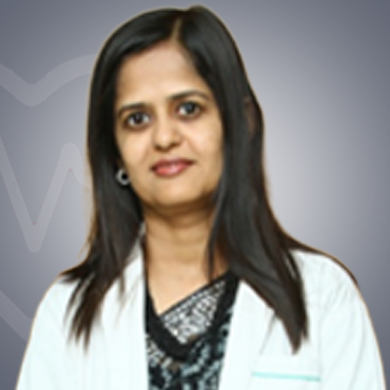
Dr Sonal Gupta
Neurosurgeon
29 Years of Experience
Dr. Sonal Gupta has an experienced neurosurgeon with more than 29+ years of clinical expertise. She is currently the Director, Neuro & Spine Surgery at Fortis Hospital, Shalimar Bagh. Before joining Fortis, she has been associated with various organizations such as Maharaja Agrasen Hospital, Action Balaji Hospital, and Max Hospital. View More
Last Reviewed - January 2026