Scoliosis Treatment in Turkey
- Top Accredited Hospitals
- Global Medical Standards
- Cutting-Edge Technology
- Proven Treatment Options
- High Success Rate
- Trusted by Millions

What is Scoliosis?
Scoliosis is a condition of sideways curvature of the spine commonly diagnosed in adolescence. Most cases of childhood scoliosis have an idiopathic cause. Adults suffering from muscular dystrophy, cerebral palsy, and several other diseases may also experience this condition.
While most cases of scoliosis are mild, some curvature worsens as children age. Severe scoliosis may be disabling. A severe spine curve can reduce the space in the chest, making it harder for the lungs to work correctly.
What is the Importance of Timely Treatment?
Early therapy is essential because it slows disease progression, lowers complications, and enhances recovery. This improves quality of life, reduces healthcare costs, and increases the likelihood of effective treatment. It also lowers the risk of chronic conditions, prevents the spreading of infectious diseases, and improves mental health due to reduced stress.
What are the Common Symptoms of Scoliosis?
The symptoms of scoliosis can be:
- One shoulder blade stands out more than the other.
- Waist uneven.
- Higher on one hip than the other.
- Uneven shoulders.
- The rib cage extends forward on one side.
- When bending forward, some parts of the back protrude.
Causes and Risk Factors of Scoliosis
Causes
- Idiopathic reasons cause scoliosis: These are the most common type of scoliosis in teenagers, but they have no recognised cause.
- Congenital scoliosis: deformities in the spine caused by abnormal development in the spine during fetal life
- Neuromuscular scoliosis is caused by neurological or muscular disorders that impact posture and muscle control, such as spina bifida and cerebral palsy.
- Age-related changes in the spine, including osteoporosis or wear and tear, may cause degenerative scoliosis, which leads to spinal misalignment.
- Traumatic Scoliosis: It can occur through trauma or injury to the spine, such as a sports injury or auto accident.
Risk Factors
- Age
- Sex
- Family History
- Certain Medical Condition
- Growth spurts
Connect with our advisor for a PRIORITY response
Latest Research and Technologies in the Treatment of Scoliosis in Turkey
Advancements in treating scoliosis in Turkey involve establishing the Ibn-I Sina spine System, which improves correction of spine curvature, and magnetically controlled growth rods for non-invasive lengthening in children. In addition, robotically assisted procedures enhance precision, reducing risks and improving outcomes. Such advanced technologies demonstrate Turkey's commitment to providing safer and more effective scoliosis treatments.
Scoliosis Prevention Tips
Although scoliosis cannot be prevented, keeping the spine healthy may be achieved by avoiding heavy lifting, maintaining proper posture, and strengthening back and core muscles. Routine examination is also essential and should be encouraged, especially for young people experiencing periods of growth. Wearing supportive shoes, leading an active lifestyle through yoga or swimming, and eating a balanced diet with adequate vitamin D and calcium products can also help.
Treatment options for Scoliosis
Spinal Fusion: permanently combines two or more vertebrae within the spinal column and is required for severe scoliosis.
Cost Start From USD 10000 - USD 22000Explore Options
Scoliosis Surgery: is usually recommended for severe cases of scoliosis or when the spinal curve worsens despite bracing or physical therapy.
Cost Start From USD 16740 - USD 20460Explore Options
- Clinical assessment:
- Physical examination: During this examination, the physician looks for any indicators of asymmetry, readily apparent curvature, or uneven shoulders or hips. The physician might also check the patient's gait and posture.
- Range-of-motion tests: To assess the spine's flexibility or range of motion, the physician may ask the patient to bend forward or twist and observe how the spine moves.
- Neurological Examination: The physician checks for signs of nerve involvement, including weakness, numbness, or unusual reflexes, which could indicate spinal curve-induced nerve compression.
- ForwardBendTest: The examiner looks for abnormal spine curvature when the patient bends forward at the waist. This test helps detect scoliosis early.
- Imaging Tests:
- X-rays are the most common method of imaging scoliosis. Cobb's angle assesses the degree of spinal curvature. Structural abnormalities, such as deformity in the vertebral body or degeneration, can also be evaluated.
- MRI Scan: The soft tissues surrounding the spine, including the muscles, nerves, and spinal cord, are captured in fine detail. The scan finds nerve compression or spinal cord involvement abnormalities in these tissues.
- CT Scans: Less common. CT scans can provide 3D spine imaging to better view bone structures and abnormalities in the vertebrae, which may not be as clear on X-rays.
- Bone Scintigraphy: This is used to detect abnormalities of the bone structure, such as infections and tumours that may be causing scoliosis.
- Other diagnostic:
- Assessment of Posture and Gait: The physician examines the patient's posture for imbalance, leaning, or trouble keeping upright. This helps the physician determine how the spine's curvature impacts the spine's curvature impacts the body's alignment and mobility.
- Balance Test: Balance is evaluated to determine how scoliosis may affect coordination or cause instability. This is especially crucial in extreme situations where the curvature may impact the neurological system or cause problems with walking and balance.
Our MediRehab facilities, part of MediGence in India, offer physical therapy services for international patients. We also have convenient teleconsultation options so that patients all over the globe can receive expert treatment remotely. A few services such as:
- PhysicalTherapy: A physical therapist can suggest an exercise regimen to increase flexibility, strengthen the muscles that surround the spine, and encourage better posture. This could lessen discomfort, improve range of motion, and lower the curve's chance of worsening.
- Bracing: In the case of moderate scoliosis, wearing a brace may help prevent curvature from worsening as a teenager ages. The brace controls the progression of the curve but does not repair it.
- Depending on the situation, your healthcare professional may prescribe medicine to help control your symptoms and support the treatment plan.
Instantly Connect with our Specialists


Hospitals for Scoliosis in Turkey

Memorial Atasehir Hospital
Istanbul, Turkey
Memorial Atasehir Hospital located in Istanbul, Turkey is accredited by JCI. Also listed below are some of the most prominent infrastructural details:
- Covers an area of 22,000 sqm in the Anatolian side of Istanbul
- The Hospital has comfortable patient rooms, designed while considering all the required needs of the patients
- Capacity of 144 beds
- Intensive Care Unit
- Emergency Department

Medicana Konya Hospital
Konya, Turkey
Medicana Konya Hospital located in Konya, Turkey is accredited by JCI. Also listed below are some of the most prominent infrastructural details:
- Providing services in a closed area of 30.000 m2
- It has a total of 80 physicians (including 32 specialist physicians), 37 academicians, 8 practitioners, 1 psychologist and 2 Dieticians
- General and Neonatal Intensive Care Units
- Total bed capacity for 223 beds with 49 in general intensive care, 7 in cardiovascular surgery intensive care, 9 beds in coronary intensive care unit, 41 in NICU and 117 service beds
- Operating rooms are equipped with the latest medical technologies & state-of-the-art equipment like IT, MRI (1.5 Tesla), Mammography, Ultrasonography, etc.
- Laboratories and Imaging Units
- UHA Unit for International Patients
- Pharmacies on Duty
- Hospital rooms are categorized as Standard rooms and Suite rooms
- Rooms are fully equipped with basic needs of a patient and their relatives, like TV, Mini Fridge, Nurse call system, telephone, central air conditioning ventilation system, etc.
- 24-hour cafeteria
- Parking lot
- Mens & Womens Place of worship

Medicana Bahcelievler Hospital
Istanbul, Turkey
Medicana Bahcelievler Hospital located in Istanbul, Turkey is accredited by ISO, JCI. Also listed below are some of the most prominent infrastructural details:
- Capacity of 89 beds
- 6 Operating Rooms
- 2 Delivery Rooms
- Coronary Intensive Care Unit
- General Intensive Care Unit
- Neonatal Intensive Care Unit
- Dialysis Unit with 30 beds
Our Services to better your experience
Opinion & Option
We submit the most accurate opinion and options from one or more countries for your review
Consult Privately
Consult with a certified specialist privately on our telemedicine platform even before you decide to travel
Logistics
We handle flights, visas, transfers, and accommodation—so you can focus on your health.
Recovery
Our In-house rehabilitation service packages to better your recovery and treatment outcome
Why Choose Turkey for Scoliosis Treatment?
Turkey is the most popular destination for scoliosis treatment due to its world-class medical facilities, highly qualified doctors, and up-to-date technology. The expense of therapy without compromising quality is very low compared with Western countries. Turkish hospitals offer modern techniques, quicker accessibility to care, and excellent post-surgery rehabilitation. With a rich record of positive results and advanced medical tourism infrastructure, Turkey is providing scoliosis patients across the globe with an inexpensive, reliable, and efficient solution.
Frequently Asked Questions
The course of treatment for scoliosis depends on the degree of the curve. For minor cases, regular monitoring and observation may be enough. Bracing can help stop the growth of moderate scoliosis, especially in developing youngsters. Specific exercises and physical treatment can strengthen the spine and improve posture. In extreme situations, spinal fusion surgery can be required to support the spine and correct the curvature.
You should consult if you can feel and notice the following visible curvature conditions of the spine: uneven shoulders, uneven hips, or sagging posture. Moreover, if your curvature is worsening, causing pain, or affecting your day-to-day activities, it is essential to treat it. Early treatment is crucial to prevent problems from worsening for kids and teens, especially during growth spurts.
The degree of the curve and the child's age will determine the type of treatment scoliosis is given in children and adolescents. Doctors can advise routine follow-up to watch for any changes that might occur with moderate scoliosis (curves less than 20 degrees). A brace is often recommended for mild cases (20–40 degrees) to prevent curvature from worsening with time as the kid grows up. Muscles around the spine may also need to be strengthened and improved with posture, where physical therapy or some exercises can be recommended.
Exercise alone does not treat scoliosis; however, the condition can be controlled. Schroth Method-based exercises enhance flexibility, strengthen the muscles around the spine, and improve posture. These exercises also increase the spine's general functions, decrease the pain level, and postpone the advancement of the curve. Exercise can play a significant role in treating mild and moderate cases of scoliosis, but for severe cases, bracing or surgery (spinal fusion) may still be required.
Spinal fusion surgery treats severe scoliosis by permanently connecting two or more vertebrae in the spine. The procedure uses bone grafts, rods, and screws to support the spine and prevent it from curving further. The goal is to reverse the advancement of the curve and improve spinal alignment.
Recovery usually takes a few months after scoliosis surgery. Most patients should expect to stay in the hospital four to seven days after surgery. It may take six to twelve months to fully recover, including regaining strength and flexibility. Patients should limit their activity level during the first few weeks and follow post-surgery orders given by the surgeon, such as wearing a brace, undergoing physical therapy, and gradually increasing movement.
Yes, Scoliosis can be painful, especially in cases of significant curvature or complications such as nerve compression, muscular strain, or other effects. Most backaches and pain are caused by the muscles' difficulty maintaining a correct posture against the incorrect bend.
Scoliosis can affect respiration at severe levels of curvature. When the degree of curvature becomes significant enough, less space is available for the expansion of the lungs, especially in the thoracic spine area. This space restriction can also lead to respiratory distress.
Yes, if the scoliosis is extreme, it could lead to more serious health complications. Some examples include chronic back pain, nerve compression that may lead to pain or numbness, breathing problems caused by a decreased lung capacity, digestive issues caused by organ compression, and poor posture that affects balance.
Yes, Turkey has scoliosis surgery. State-of-the-art spinal surgery, such as spinal fusion surgery and minimally invasive procedures, is offered in many of the world's most well-known medical centres in Bangkok and other metropolitan areas. The country is known for providing high-quality, affordably priced care to orthopaedic patients.

Reviewer
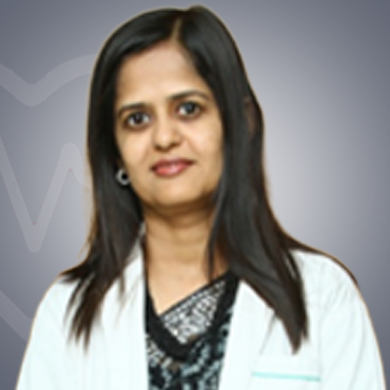
Dr Sonal Gupta
Neurosurgeon
29 Years of Experience
Dr. Sonal Gupta has an experienced neurosurgeon with more than 29+ years of clinical expertise. She is currently the Director, Neuro & Spine Surgery at Fortis Hospital, Shalimar Bagh. Before joining Fortis, she has been associated with various organizations such as Maharaja Agrasen Hospital, Action Balaji Hospital, and Max Hospital. View More
Last Reviewed - January 2026