Prolapsed Disc Treatment in Turkey
- Top Accredited Hospitals
- Global Medical Standards
- Cutting-Edge Technology
- Proven Treatment Options
- High Success Rate
- Trusted by Millions

What is a Prolapsed Disc?
When any rubbery cushion (discs) between your spine vertebrae bulge or rupture, it's called a prolapsed disc, a slipped disc or a herniated disc. This could put pressure on nearby nerves, which causes pain, numbness, or weakness in the affected area.
What is the Importance of Timely Treatment?
Prevention of Further Damage
The degeneration of the disc can continue without treatment and causes the symptoms to worsen, leading to even graver complications, such as permanent nerve damage.
Reduction in Pain and Discomfort
Early intervention, including physical therapy, medications, and lifestyle changes, can offer marked improvement from symptoms such as back pain, sciatica, and muscular weakness.
Improved Recovery Outcomes
Prompt medical attention boosts the odds of a complete recovery and lessens the likelihood of complications. Most of these treatments are conservative and obviate the necessity for invasive ones like surgery.
Avoidance of Long-Term Nerve Damage
Damage may result in symptoms lasting for a lifetime, such as tingling, numbness, etc., or even muscle weakness. These conditions may develop due to a prolapsed disc's prolonged pressure on the nearby nerves.
Disability Prevention
Severe instances of prolapsed discs could lead not only to impairment but to permanent disability, preventing a person from performing daily tasks, attending work, or leading a normal, active lifestyle.
What are the Common Symptoms of a Prolapsed Disc?
- Back or Neck Pain
- Radiating Pain (Sciatica or Cervical Radiculopathy)
- Numbness and Tingling
- Muscle Weakness
- Loss of Reflexes
- Pain That Worsens with Movement
- Difficulty Walking or Standing
Causes and Risk Factors of Prolapsed Discs
Causes
- Ageing
- Obesity
- Gender
Risk Factors
- Age
- Poor Posture
- Lifting Improperly
- Trauma or Injury
- Genetics
- Sedentary Lifestyle
- Smoking
- Occupation or Repetitive Movements
Connect with our advisor for a PRIORITY response
Latest Research and Technologies in the Treatment of Prolapsed Discs in Turkey
Turkey is a modern center for advanced prolapsed disc treatments where the newest technologies and innovative research practices are utilised to improve patient outcomes. Minimally invasive procedures such as microdiscectomy and endoscopic spine surgery are performed almost daily using the latest equipment, such as the O-arm Surgical Imaging Systems, which increase precision while reducing recovery times. In addition, laser disc decompression presents a method of alleviating pain due to herniated discs without surgery.
Prolapsed Disc Prevention Tips
Maintain Posture
Maintain proper posture by holding your back erect and your shoulders in place. Your feet should be resting flat on the floor without slumping. The purpose of posture is to reduce the stresses on your spine and discs.
Use Proper Technique When Lifting Weights
You should never bend your back to lift anything heavy unless you are a weightlifter.
Exercise
Concentrate on strengthening the core muscles that support the spine. Flexibility training, such as yoga or pilates, and exercises like swimming enhance the muscle support around the spine to prevent disc injury.
FI
Maintain a healthy body weight
Extra weight will stress the spine more, thus predisposing him to disc problems.
Avoid staying in one position for a long time
Should your job involve long hours of sitting, take frequent breaks to stretch and walk around to relieve pressure on your spine and prevent disc issues.
Quit smoking
Stopping smoking can lead to better overall spinal health and a reduced risk of disc degeneration and prolapse.
Stay Hydrated
Water intake is directly proportional to the disc's health. Good hydration helps keep your spine's discs hydrated so they can work as shock absorbers, thereby preventing injuries.
Treatment options for Prolapsed Disc
The medical treatment for a Prolapsed Disc requires evaluating the severity, neural involvement, and patient medical condition. The following are the treatment options:
Spinal Fusion : A spinal fusion procedure merges two or more vertebrae to stabilise the spine when a disc is severely damaged. While it effectively alleviates pain, it restricts motion in the fusion area. Complete recovery may last many months, with physical therapy gradually building strength.
Cost Start From USD 10000 - USD 22000Explore Options
Microdiscectomy: involves making a small incision in the back and using an operating microscope, allowing the surgeon to remove that portion of the disc pressing on the nerve. This approach enables increased precision with a smaller incision than traditional discectomy.
Cost Start From USD 4950 - USD 6050Explore Options
These are the standard diagnostic methods for diagnosing a Prolapsed Disc :
Clinical Evaluation
- Physical examination: Doctors sometimes perform comprehensive physical examinations to evaluate one's posture, reflexes or muscle strength. Of course, many other specific tests may be conducted, such as the Straight Leg Raise test, which involves raising one's leg straight while lying down.
Imaging Studies
- X-ray: While X-rays cannot directly visualise discs, they may help rule out other conditions, such as bone fractures or spine degeneration. The images show the alignment and spacing of the vertebrae.
- MRI (Magnetic Resonance Imaging): MRI is the best imaging test for diagnosing a prolapsed disc. The detailed pictures provided by MRI are of various body soft tissues, including the discs and nerves.
- CT Scan (Computed Tomography): A CT will generally be performed when an MRI cannot be done or when further imaging is needed to clarify some of the findings of a diagnosis.
- Electromyography (EMG): An EMG measures electrical activity in muscles and nerves; this can measure the extent of nerve damage or compression by the prolapsed disc.
MediRehab (a chain of Rehab centres, part of MediGence) provides comprehensive rehabilitation services to support patients through Teleconsulations and online therapy sessions.
- Physical Therapy: The main focuses are strengthening muscles around the spine and improving flexibility and posture. Core strengthening exercises and manual therapy are used for pain relief. They help restore movement and decrease the chances of re-injury.
- Aquatic Therapy: Exercising in the water takes advantage of buoyancy to alleviate stress on the spine while allowing gentle movement. It focuses on flexibility, strength, and pain relief. Individuals with acute pain or difficulty exercising on land would benefit most.
- Postural Training: Teaches how to maintain postures to avoid putting stress on the spine during daily activities. Changes are made to ergonomics at work and home. This stops any further aggravation of the herniated disk.
- Lifestyle Modifications: Focuses on managing body weight, engaging in low-impact exercises regularly, and preventing strain from heavy lifting. Promotes overall spine health; puts all efforts into movement and body mechanics. It contributes to long-term recovery and pain prevention.
Instantly Connect with our Specialists


Hospitals for Prolapsed Disc in Turkey

Memorial Atasehir Hospital
Istanbul, Turkey
Memorial Atasehir Hospital located in Istanbul, Turkey is accredited by JCI. Also listed below are some of the most prominent infrastructural details:
- Covers an area of 22,000 sqm in the Anatolian side of Istanbul
- The Hospital has comfortable patient rooms, designed while considering all the required needs of the patients
- Capacity of 144 beds
- Intensive Care Unit
- Emergency Department

Medicana Konya Hospital
Konya, Turkey
Medicana Konya Hospital located in Konya, Turkey is accredited by JCI. Also listed below are some of the most prominent infrastructural details:
- Providing services in a closed area of 30.000 m2
- It has a total of 80 physicians (including 32 specialist physicians), 37 academicians, 8 practitioners, 1 psychologist and 2 Dieticians
- General and Neonatal Intensive Care Units
- Total bed capacity for 223 beds with 49 in general intensive care, 7 in cardiovascular surgery intensive care, 9 beds in coronary intensive care unit, 41 in NICU and 117 service beds
- Operating rooms are equipped with the latest medical technologies & state-of-the-art equipment like IT, MRI (1.5 Tesla), Mammography, Ultrasonography, etc.
- Laboratories and Imaging Units
- UHA Unit for International Patients
- Pharmacies on Duty
- Hospital rooms are categorized as Standard rooms and Suite rooms
- Rooms are fully equipped with basic needs of a patient and their relatives, like TV, Mini Fridge, Nurse call system, telephone, central air conditioning ventilation system, etc.
- 24-hour cafeteria
- Parking lot
- Mens & Womens Place of worship

Medicana Bahcelievler Hospital
Istanbul, Turkey
Medicana Bahcelievler Hospital located in Istanbul, Turkey is accredited by ISO, JCI. Also listed below are some of the most prominent infrastructural details:
- Capacity of 89 beds
- 6 Operating Rooms
- 2 Delivery Rooms
- Coronary Intensive Care Unit
- General Intensive Care Unit
- Neonatal Intensive Care Unit
- Dialysis Unit with 30 beds
Our Services to better your experience
Opinion & Option
We submit the most accurate opinion and options from one or more countries for your review
Consult Privately
Consult with a certified specialist privately on our telemedicine platform even before you decide to travel
Logistics
We handle flights, visas, transfers, and accommodation—so you can focus on your health.
Recovery
Our In-house rehabilitation service packages to better your recovery and treatment outcome
Why Choose Turkey for Prolapsed Disc Treatment?
- Advanced Medical Facilities: Hospitals in Turkey are equipped with the most modern technology, such as robotic surgical systems and neuronavigation, ensuring that treatment can be done accurately and effectively.
- Experienced Specialists: The country prides itself on having some of the most expert neurosurgeons and orthopedic specialists who have accumulated vast experience in specialisation in spinal procedures; thus, such a combination yields high success rates.
- Affordable Health Care: Patients can receive excellent treatment at a much lower price than in other countries, thus opening up avenues for medical tourism in Turkey.
- Complete Patient Services: The hospitals provide full services covering pre-operative assessments, customised treatment plans, and post-operative rehabilitation.
- Cultural and Touristic: Besides offering medical care, Turkey has a rich seal of cultural heritage and tourist attractions for the patient and his family to spice up the visit.
Frequently Asked Questions
Conservative treatments, including rest and physical therapy, may assist a mild prolapse, while severe cases or instances where extensive damage to the nerve roots occurs may need surgery.
The preferred low-impact techniques for treatment include walking, swimming, and other gentle stretching exercises. Core strengthening and flexibility training programs are also important. Activities putting excessive stress on the back (heavy lifting or sports involving high impacts) should be avoided.
The time taken for healing usually depends on the kind of surgery. It varies according to each person's situation, but patients should expect to be able to return to light activity between a couple of weeks and six weeks. Complete recovery can take months and may also require some physical therapy to regain strength and mobility after surgery.
Severe untreated cases of prolapsed discs can cause permanent nerve damage with consequences such as chronic pain syndromes or functional disability of the area affected. In this case, any treatment during the early stage may slow down its progression to an irreversible stage.
Maintaining good postures, strengthening the core, avoiding heavy lifting, and proper weight management are preventive measures against further disc problems. Implementing ergonomic corrections at the workplace can further help minimise strain on the spine.
Herniated disc surgeries in Turkey have a success rate of between 90 and 95 percent about relieving pain and increasing mobility.
Recovery time varies from a few weeks to several months, depending on the procedure and patient factors.
Yes, most of the hospitals in Turkey have international accreditations that make them compatible with global healthcare standards.
Many hospitals have an international patient department that could help facilitate the travel arrangement, the necessary language interpretation, and patient care plan.

Reviewer
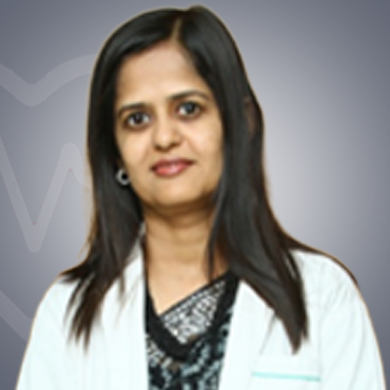
Dr Sonal Gupta
Neurosurgeon
29 Years of Experience
Dr. Sonal Gupta has an experienced neurosurgeon with more than 29+ years of clinical expertise. She is currently the Director, Neuro & Spine Surgery at Fortis Hospital, Shalimar Bagh. Before joining Fortis, she has been associated with various organizations such as Maharaja Agrasen Hospital, Action Balaji Hospital, and Max Hospital. View More
Last Reviewed - January 2026