Polycystic Ovary Syndrome - PCOS Treatment in India
- Top Accredited Hospitals
- Global Medical Standards
- Cutting-Edge Technology
- Proven Treatment Options
- High Success Rate
- Trusted by Millions

What are Polycystic Ovary Syndrome(PCOS)?
A hormonal imbalance known as polycystic ovarian syndrome (PCOS) is brought on by an overproduction of hormones by your ovaries, which are the organs responsible for producing and releasing eggs. Your ovaries create abnormally large amounts of androgens if you have PCOS. Your reproductive hormones become unbalanced as a result. Consequently, irregular menstrual cycles, missed periods, and uncertain ovulation are typical in persons with PCOS. Because of anovulation or the absence of ovulation, your ovaries may appear on ultrasound as small follicular cysts, fluid-filled sacs containing immature eggs.
What is the Importance of Timely Treatment?
To control symptoms and avoid long-term issues like infertility, diabetes, heart disease, and endometrial cancer, PCOS (polycystic ovary syndrome) must be treated promptly. Better general health and a higher quality of life can result from early intervention that helps balance hormones, increase fertility, control menstrual cycles, and lower the risk of metabolic illnesses.
What are the Common Symptoms of Polycystic Ovary Syndrome(PCOS)?
The following are the most typical PCOS symptoms and indicators:
- Period irregularities
- Unusual growth of hair
- Acne
- Being overweight
- Skin darkening
- Cysts
- Hair loss
- Infertility
Causes, Risk Factors and Complications of Polycystic Ovary Syndrome(PCOS)
Causes
Factors that might play a role include:
- Insulin resistance: Insulin, a hormone the pancreas produces, helps cells use sugar as energy. Blood sugar levels can rise as a result of resistance, which increases the production of insulin. Excessive use can cause androgen production, which can interfere with ovulation. Weight gain, increased appetite, and dark skin patches are symptoms.
- Low-level inflammation: Research indicates that individuals with PCOS experience long-term, low-grade inflammation, leading to the production of androgens by polycystic ovaries, potentially causing heart and blood vessel issues.
- Heredity: According to research, PCOS may be associated with specific genes. A family history of the disorder may influence the development of PCOS.
- Excess androgen: The ovaries may create a lot of androgen when a person has PCOS. The overproduction of androgen disrupts ovulation. This indicates that eggs are not often discharged from the follicles where they grow and do not develop regularly. Acne and hirsutism are further side effects of too much testosterone.
Risk Factors
- If your mother or sibling has PCOS, you may be at higher risk for developing it yourself. Obesity and insulin resistance may also increase your risk of developing it.
Complications
PCOS complications can include:
- Infertility
- High blood pressure brought on either pregnancy or gestational diabetes
- Early birth or miscarriage
- Nonalcoholic steatohepatitis, severe liver inflammation brought on by hepatic fat accumulation, is known as nonalcoholic steatohepatitis.
- Metabolic syndrome: Metabolic syndrome is a group of disorders that raises your risk of heart and blood vessel (cardiovascular) illness. These conditions include high blood pressure, excessive blood sugar, and dangerous levels of cholesterol or triglycerides.
- Prediabetes or type 2 diabetes
- Sleep apnea
- Eating disorders, anxiety, and depression
- Endometrial cancer, or cancer of the lining of the uterus
- Obesity frequently coexists with PCOS and can worsen its problems.
Connect with our advisor for a PRIORITY response
Latest Research and Technologies in the Treatment of Polycystic Ovary Syndrome(PCOS)
- Recent advancements in PCOS treatment include novel medications targeting hormonal and metabolic imbalances, personalised lifestyle intervention programs, supplements for improving ovulation, and advanced diagnostic tools for earlier and more accurate detection.
Polycystic Ovary Syndrome(PCOS) Prevention Tips
Some prevention tips for managing and reducing the risk of PCOS:
- Maintaining a healthy weight
- Regularly exercising
- Taking Balanced diet
- Avoiding smoking
- Managing stress
- Monitoring blood sugar levels
- Routine visits to a healthcare provider to manage PCOS early.
- These steps can help manage symptoms and prevent the worsening of the condition.
Treatment options for Polycystic Ovary Syndrome - PCOS
Polycystic Ovarian Syndrome (PCOS) Treatment: The goal of treating Polycystic Ovary Syndrome (PCOS) is to control symptoms such as irregular periods, infertility, and metabolic problems. Common strategies include hormonal therapy, dietary and activity modifications, and medications to reduce insulin levels and restore hormonal balance.
Intrauterine Insemination: One option for treating infertility in women with polycystic ovarian syndrome (PCOS) is intrauterine insemination (IUI).
Cost Start From USD 1000 - USD 1500Explore Options
In vitro fertilisation (IVF): When medication doesn't assist with ovulation, PCOS patients may consider in vitro fertilisation (IVF).
Cost Start From USD 3500 - USD 4500Explore Options
- Pelvic exam: Your healthcare professional might examine your reproductive organs for growths, masses, or other changes during a pelvic exam.
- Blood tests: Hormone levels can be measured via blood testing. Potential causes of menstruation issues or androgen excess that resembles PCOS can be ruled out with this testing.
- Ultrasound: Your ovaries' appearance and the uterine lining's thickness can both be examined using an ultrasound. A transducer, which resembles a wand, is inserted into your vagina. Sound waves from the transducer are converted into visuals on a computer screen.
Typically, lifestyle changes are the main focus of PCOS rehabilitation, including:
- Weight management: A nutritious diet and consistent exercise are recommended to control weight and enhance insulin sensitivity.
- Stress management: Techniques to help balance hormones and lessen symptoms of stress, such as yoga, meditation, or mindfulness.
- Nutritional counselling: Personalized meal programs to help lower inflammation linked to PCOS and regulate blood sugar levels.
The goals of these rehabilitation techniques are to control PCOS symptoms, increase fertility, and improve general health.
Medications are employed for different stages:
- Regulating Periods:
- Combination birth control pills cut the risk of endometrial cancer, manage hormones, and minimise acne and excessive hair.
- Progestin medication doesn't alter testosterone levels or stop pregnancy, but it helps control periods and guard against endometrial cancer.
- Helping Ovulation & Fertility: Several medicines are available to treat PCOS infertility; these medications work to improve insulin resistance, induce ovulation, and aid in pregnancy.
- Reducing Excess Hair Growth & Acne: Birth control pills and hair removal methods like electrolysis and laser treatments are among the medications and therapies used to reduce excessive hair growth and acne in PCOS.
Instantly Connect with our Specialists


Hospitals for Polycystic Ovary Syndrome - PCOS in India

Apollo Spectra Hospitals
Delhi, India
Apollo Spectra Hospitals located in New Delhi, India is accredited by JCI. Also listed below are some of the most prominent infrastructural details:
- Advanced technology
- World-class infrastructure
- Patient Care is completely personalised
- 12 surgical specialties and others
- A 15000 sqft area that the hospital occupies
- 5 modern modular Operation Theatres
- Sleek and smart rehabilitation unit
- In-house pharmacy
- 115 plus healthcare professionals which is inclusive of 70 specialist consultants
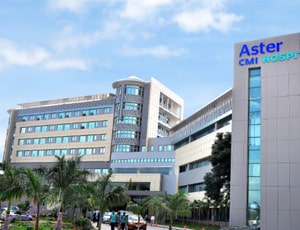
Aster CMI Hospital
Bangalore, India
Aster CMI Hospital located in Bengaluru, India is accredited by JCI, NABH. Also listed below are some of the most prominent infrastructural details:
- Around 500 bed capacity
- Primary care to Quaternary care services
- Outpatient and inpatient departments
- Day care center for small children
- Availability of Surgical suites
- Intensive Care Units
- 24-hour Emergency and Trauma Care
- Emergency Unit especially for children
- Newly launched the Lung and Heart Transplant Centre
- Video Consultation with doctors available on GraphMyHealth
- A specialised Aster Center of Excellence for Women & Children
- Latest Minimally Invasive Procedures being performed
- Safe Interventional Procedures
- Control of Infection protocols are strictly followed
- Aster Holistic Collaborative Care: Aster Palliative Care for lowering suffering if critically ill patients, Physical Medicine & Rehabilitation, Aster Wellness, Psychology, Chronic Pain Management, Nutrition & Dietetic, Podiatry Care etc.
- 11 Centers of Excellence
- An academics focus with BSc Program, MEM Program, Pediatric Fellowship Program
- A streamlined International patient care center with dedicated services and technology enabled processes

Max Super Specialty Hospital, Vaishali
Ghaziabad, India
- Max Super Speciality Hospital, Vaishali, Ghaziabad, is a leading multi-speciality hospital with 387+ beds and 37+ clinical specialities, offering advanced care in Cardiology, Neuro Sciences, Oncology, Orthopaedics, Transplants, Gastroenterology, and Reconstructive Surgery.
- Supported by 389+ doctors and 1038+ trained staff, the hospital combines state-of-the-art technology, including robotic surgery and advanced imaging systems, with compassionate, patient-centred care.
- Accredited by NABH and NABL, Max Vaishali is a trusted destination for both domestic and international patients seeking high-quality, integrated medical services.
Our Services to better your experience
Opinion & Option
We submit the most accurate opinion and options from one or more countries for your review
Consult Privately
Consult with a certified specialist privately on our telemedicine platform even before you decide to travel
Logistics
We handle flights, visas, transfers, and accommodation—so you can focus on your health.
Recovery
Our In-house rehabilitation service packages to better your recovery and treatment outcome
Why Choose India for Polycystic Ovary Syndrome(PCOS) Treatment?
Here are some of the reasons for choosing India:
- Due to advancements in medical facilities, such as minimally invasive surgical techniques.
- World-class experts include highly experienced doctors, JCI, and NABH-accredited healthcare institutions.
- Compared to other countries, treatment in Indian hospitals is cost-effective.
- Indian hospitals provide International patient services, including a multilingual support system.
- Improved treatment methods and biological therapies.
Frequently Asked Questions
A hormonal imbalance in PCOS patients interferes with their menstrual cycle, ovulation, and maybe conception. Your reproductive system's ability to function depends significantly on the balance of these hormones, which resemble an intricate web. The hormones that contribute to PCOS are as follows:
- Androgens (like testosterone and androstenedione).
- LH, or luteinising hormone.
- FSH, or follicle-stimulating hormone.
- Estrogen.
- Progesterone.
- Insulin
Researchers have a better understanding of the reasons for PCOS. However, there is evidence that PCOS has a hereditary or genetic component. This implies that you might be at a higher risk of developing PCOS if your biological parent does.
In India, PCOS can be effectively managed with a mix of lifestyle modifications, hormone medications, and fertility procedures, and treatment success rates are often high. Birth control tablets and other hormonal treatments are effective in controlling symptoms including acne and excessive hair growth as well as menstrual periods.
The success rate of fertility treatments ranges from 60 to 80 percent, depending on personal characteristics like age and health. Changes in lifestyle, such as exercising and controlling weight, also enhance insulin sensitivity and hormonal balance, which leads to improved results.
When managed appropriately, PCOS treatment in India can be very successful because of the availability of innovative healthcare alternatives.
Maintaining a healthy body weight, eating a balanced diet, and getting regular exercise are some of the most excellent strategies to deal with PCOS. These lifestyle adjustments may impact hormone levels, control your menstrual cycle, and alleviate your symptoms.
Yes, even if you have PCOS, you can still become pregnant. Although PCOS might increase your risk of some pregnancy issues and make it difficult to conceive, many PCOS sufferers can conceive naturally. To help you ovulate, your healthcare professional will collaborate with you to create a treatment plan. Medication or assisted reproductive technologies, such as in vitro fertilisation (IVF), may be part of your treatment plan.
Indeed, untreated PCOS raises the risk of endometrial cancer, high cholesterol, heart disease, and type 2 diabetes.
Although the majority of PCOS sufferers are able to carry a baby to term, having PCOS may raise your risk for several pregnancy issues. Preeclampsia, high blood pressure, and gestational diabetes are among the additional pregnancy-related concerns associated with PCOS.
Preterm birth (born before 37 weeks of pregnancy) or cesarean delivery as a result of excessive blood pressure, diabetes, or obesity.
Author

Dr. Shagufta Parveen
Dr. Shagufta Parveen is a Clinical researcher and medical writer with expertise in clinical pharmacology and pharmacotherapeutics. She holds a B.Pharm and Doctor of Pharmacy (Post-Baccalaureate) degree from Teerthanker Mahaveer University, Moradabad.
During her clinical stint at BLK-Max Super Speciality Hospital and Indraprastha Apollo Hospital, she gained hands-on experience in the Clinical Pharmacology Department. Combining scientific knowledge with strong medical writing skills, Dr. Shagufta develops evidence-based healthcare content, treatment guides, and patient education resources.
Her work focuses on simplifying complex medical concepts while maintaining scientific accuracy, helping readers better understand healthcare advancements and treatment options.
In addition to her writing expertise, she is actively involved in scientific research and has contributed to peer-reviewed publications.
Her research work is accessible through the following links:
https://scholar.google.com/citations?user=lMVK1eIAAAAJ&hl=en
https://carcinogenesis.com/index.php/JOC/article/view/870
https://carcinogenesis.com/index.php/JOC/article/view/868
https://wjpsronline.com/abstract/0000000760
View MoreReviewer
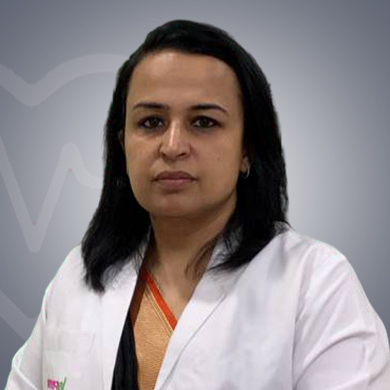
Dr. Nymphaea Walecha
Infertility & Laproscopy & Gynecologist
18 Years of Experience
Dr. Walecha, an M.D. Gynae from PGIMS Rohtak, Haryana, left her position as Assistant Professor of Obstetrics and Gynecology to train in Infertility Management and Assisted Reproductive Techniques at Fertility Clinic Mumbai under Dr. Sadhana Desai, who was instrumental in the country's second IVF baby. View More
Last Reviewed - January 2026