Pancreatitis Treatment in India
- Top Accredited Hospitals
- Global Medical Standards
- Cutting-Edge Technology
- Proven Treatment Options
- High Success Rate
- Trusted by Millions

What is Pancreatitis?
The pancreas, a large gland below the stomach, becomes inflamed when it has pancreatitis. The pancreas plays a crucial role in controlling blood sugar by releasing enzymes that help in food digestion and producing insulin.
What is the Importance of Timely Treatment?
Treating pancreatitis immediately is critical because it can save lives and avoid significant complications. When treating pancreatitis early, physicians can control symptoms like excruciating pain and escape problems like infections or organ failure. It's similar to putting out a minor fire before it gets out of control and does more harm. Early intervention speeds up the body's healing process and reduces the chance of pancreatic damage over time.
What are the Common Symptoms of Pancreatitis?
The common symptoms of pancreatitis could vary depending on whether it is acute or chronic. Here are some key symptoms.
- Acute Pancreatitis
- Severe pain
- tenderness
- Rapid Pulse
- Fever
- Vomiting and nausea
- Chronic Pancreatitis
- Diarrhea
- Weight loss
- Constant pain in the upper belly that may get worse after having meals
- Oily, smelly stools
Causes and Risk Factors of Pancreatitis
Causes
- Gallstones- These may obstruct the bile duct, resulting in the backflow of digestive enzymes into the pancreas.
- High Triglycerides- Triglyceride levels in the blood that are elevated can raise the risk of pancreatitis.
- High Calcium Levels- Escalated calcium levels in the blood can cause pancreas inflammation.
- Pancreatic Cancer - Tumors can block pancreatic ducts, which can cause inflammation.
- Genetic Factors - Genetic predisposition may have caused pancreatitis
- Infection
Risk Factors
- Alcohol Abuse
- Smoking
- Family History
- Obesity
- Certain Medical Conditions
Connect with our advisor for a PRIORITY response
Latest Research and Technologies in the Treatment of Pancreatitis in India
In India, there have lately been some noteworthy developments in the management of pancreatitis
- Acute pancreatitis is difficult to diagnose and treat, as the NIH study "Current trends in acute pancreatitis: Diagnostic and therapeutic challenges" explains. It highlights how important an early and precise diagnosis is to properly manage the illness and avoid consequences.
- Recent research by NIH highlights how crucial early and suitable dietary therapies are to the successful management of acute pancreatitis. Among these approaches are parenteral nutrition (intravenous feeding) and enteral nutrition (tube feeding), with particular dietary supplements such as vitamins, probiotics, glutamine, and omega-3 fatty acids. These tactics enhance patient outcomes, reduce inflammation, and avoid problems.
Pancreatitis Prevention Tips
Here are a few steps to help prevent Pancreatitis or slow its progression
- Eat a well-balanced diet, focus on a diet rich in fruits, vegetables, whole grains and lean protein, opt for low-fat alternatives and avoid high-fat foods.
- Maintaining a healthy weight and lowering the chance of gallstones, which can cause pancreatitis, are two benefits of regular exercise.
- Avoid crash diet
- Smoking increases the chance of developing pancreatitis and can make it worse. You can lower your risk and enhance your general health by giving up smoking.
- Limit Alcohol Consumption, which is a leading cause of pancreatitis
Treatment options for Pancreatitis
Endoscopic retrograde cholangiopancreatography (ERCP) : This may eliminate gallstones obstructing the pancreatic or bile ducts. If the pancreatitis was brought on by gallstones, gallbladder surgery (cholecystectomy) might be advised.
Cost Start From USD 400 - USD 900Explore Options
Diagnosing pancreatitis involves medical history, physical examination and various tests.
- Blood Tests- Elevations of amylase and lipase indicate pancreatitis; additional blood tests can be used to look for issues such as elevated liver enzyme levels or blood glucose.
- Imaging Tests:
- Ultrasound- facilitates the identification of pancreatic inflammation and gallstones.
- CT Scan offers comprehensive images to determine the degree of inflammation and spot issues.
- MRI- It offers complete images of the bile ducts and pancreas.
- Endoscopic Ultrasound (EUS): An ultrasound device attached to a flexible tube is placed via the mouth to obtain detailed pictures of the bile ducts and pancreas.
- Endoscopic Retrograde Cholangiopancreatography (ERCP) examines the pancreatic and bile ducts using endoscopy and X-ray imaging. They can also be removed if gallstones cause blockages.
- Stool Test: This test can measure fat levels in the stool to check for malabsorption issues.
MediRehab (chain of Rehab centres - Part of MediGence) provides comprehensive rehabilitation services designed to support pancreatitis patients in India. These services include:
- Psychological Support: Therapy or counselling to help manage the psychological effects of long-term illness.
- Nutritional counselling: Healthy diets are recommended to maintain a healthy weight and lower inflammation.
- Depending on the situation, your healthcare professional may prescribe medicine to help control your symptoms and support the treatment plan.
Instantly Connect with our Specialists


Hospitals for Pancreatitis in India

Dr. Rela Institute and Medical Centre
Chennai, India
The mega-structure of RIMC serves as a hospital as well as an educational institute. Hence, it offers a huge array of medical services and facilities to cater to the needs of its patients.
Fertility Services - RIMC specializes in both male and female fertility and in procedures like IntraCytoplasmic Sperm Injection (ICSI), Uterine Transplants, Preimplantation genetics and Laser Assisted Hatching (LAH).
Anaesthesia and ICU - The ICU rooms in RIMC are equipped to serve the individual needs of every patient. They boast the largest liver transplant ICU in India and a specific ICU dedicated to pediatrics multi-organ transplants.
Radiology and Imaging Sciences - RIMC has the infrastructure to support high-quality scans including 128 Slice CT, Cardiac MRI, and 3 Tesla MRIs.
Blood Bank and Transfusion Medicine - RIMC has an active blood bank system with facilities dedicated to Blood Component Separation and Therapy. They use high-end technology like the Automated 1H500 Analyser and have a separate Therapeutic Apheresis Unit.
Advanced Endoscopy - Dr. Rela Institute and Medical Centre has one of the most advanced hospital facilities with an individual healthcare unit specifically dedicated to Endoscopy. Advanced procedures like Spyglass Cholangioscopy, Laser therapy, Endoscopic Ultrasound, Capsule Endoscopy, and special ERCP and EUS Suite.
Some of the other healthcare facilities, departments, and services offered by Dr. Rela Institute and Medical Healthcare are listed below:
- Orthopaedics
- Obstetrics and Gynaecology
- Reproductive Medicine
- Hepatology
- Cardiology
- Internal Medicine and Diabetology
- Advanced Paediatrics
- Ear Nose and Throat
- Emergency Medicine
- Interventional Radiology and Imaging Services
- Neonatology
- Neurology
- Liver Disease and Transplantation
- Gastroenterology
- Medical Oncology
- Nephrology
- Neonatology
- Pathology
- Ophthalmology
- Plastic and Reconstructive Surgery
- Radiation Oncology
- Pulmonary Medicine
- Urology
- Surgical Oncology
- Transfusion Medicine
Apart from these facilities, Dr. Rela Institute and Medical Centre also have a preventive health check lounge, 72 consultation suites, and 360 degrees including lab facilities specifically for outpatients.
Visit Dr. Rela Institute and Medical Centre in Chromepet, Chennai today and find the best care for you and your loved ones.

Healing Hands Clinic
Gurugram, India
- Gurugram's Healing Hands Clinic is a Speciality Centre for the Treatment of Piles, Fistulae, Constipation, Varicose Veins, and all Colorectal Disorders. Healing Hands Clinic has developed minimally invasive, laser-based procedures offering same-day discharge and a Quick Recovery. Healing Hands Clinic has state-of-the-art facilities including modern Operating Theatres, Colon Hydrotherapy and a team of Highly Experienced Proctologists, and offers comprehensive, Patient-Centric care with a fully integrated Healthcare System, supported by a long-standing legacy of treating over 100,000 patients successfully.
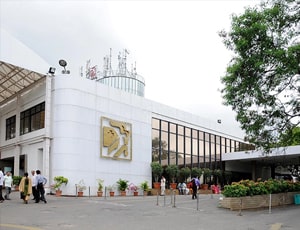
Apollo Hospitals
Hyderabad, India
Apollo Hospitals located in Hyderabad, India is accredited by JCI, NABH. Also listed below are some of the most prominent infrastructural details:
- A premier multi-specialty hospital with 477-bed capacity
- More than 50 specialties, super-specialties
- 12 Centers of Excellence
- The Institutes for Heart Diseases, Neurosciences, Cancer, Emergency, Orthopaedics, Renal Diseases, and Transplants
- Centers of Excellence are known for patient care, training and research
- Doctors with years of truly global experience in healthcare delivery
Our Services to better your experience
Opinion & Option
We submit the most accurate opinion and options from one or more countries for your review
Consult Privately
Consult with a certified specialist privately on our telemedicine platform even before you decide to travel
Logistics
We handle flights, visas, transfers, and accommodation—so you can focus on your health.
Recovery
Our In-house rehabilitation service packages to better your recovery and treatment outcome
Why Choose India for Pancreatitis Treatment?
- Advanced Medical Centers: Modern hospitals and medical facilities in India have the newest technologies to spot and treat pancreatitis.
- Cost-Effective Treatment: Compared to Western countries, excellent care is offered cheaply.
- Experienced Specialists: Indian hospitals employ highly qualified and experienced surgeons and gastroenterologists who specialise in curing pancreatitis.
- Comprehensive Care: Indian hospitals follow a holistic approach to treatment, including pain management, dietary support, psychological counselling, and medical and surgical intervention.
- Rehabilitation Services:Our facility, MediRehab, is an integral part of MediGence in India and offers speciality rehabilitation services, including physical therapy, dietary adjustments and psychological health support.
Frequently Asked Questions
Depending on the type of pancreatitis and its severity, recovery times can differ:
- Acute Pancreatitis: Mild cases of acute pancreatitis may be resolved in a few days to a week, while more severe cases may take several weeks to recover fully. Hospitalisation is often required to address symptoms and their effects.
- Chronic Pancreatitis: Lifestyle changes and ongoing care may be required for a more drawn-out and complex recovery. Symptoms may take a few weeks to months to stabilise and improve.
Can damage from pancreatitis be reversible?
Yes, chronic pancreatitis can cause reversible harm to the organ, acting on its intensity to synthesise insulin and digestive enzymes.
Yes, Indian hospitals have state-of-the-art equipment for treating pancreatitis. These technologies can effectively treat pancreatic stones without invasive surgery, improving patient outcomes and accelerating rehabilitation.
Most hospitals in India offer the following:
- Assistance in obtaining visas.
- Airport Service to and from the hospitals.
- Multilingual experts and Best accommodations services.
Before selecting hospitals in India, always look for the following:
- Search for experienced gastroenterologists with the necessary certifications and expertise in pancreatitis.
- Check accredited hospitals (NABH, JCI) that have specialised gastroenterologists or gastroenteritis departments.
- Ensure the hospital offers modern treatments for pancreatitis, like surgical and non-surgical treatment and psychological therapy.
- Choose the hospitals which provide excellent care, individualised plans, and supportive recovery processes.
Over time, chronic pancreatitis may raise the risk of pancreatic cancer. Patients with chronic pancreatitis should schedule routine follow-up visits to keep an eye out for any changes that could point to malignancy.
Yes, it could significantly deteriorate the quality of life. Both chronic and acute pancreatitis can lead to subtle complications and may affect mental and physical well-being. It could lead to chronic pain,, and diabetes can damage insulin-producing cells, which may hinder the quality of life.
You should get medical attention right away if you have nausea, vomiting, fever, severe stomach pain, or any other symptoms of pancreatitis. Improving results and avoiding problems are possible with early identification and treatment. It may be required to perform surgical removal if fluid-filled sacs cause ongoing pain and difficulties.
Surgery may be required for pancreatitis if extensive inflammation, infection and tissue death are necessary to remove damaged tissue to prevent further complications. Procedures such as endoscopic retrograde cholangiopancreatography (ERCP) can remove gallstones if they are the cause of acute pancreatitis. Removal of the gallbladder may be advised in some situations to stop recurrence.
Author

Dr. Shagufta Parveen
Dr. Shagufta Parveen is a Clinical researcher and medical writer with expertise in clinical pharmacology and pharmacotherapeutics. She holds a B.Pharm and Doctor of Pharmacy (Post-Baccalaureate) degree from Teerthanker Mahaveer University, Moradabad.
During her clinical stint at BLK-Max Super Speciality Hospital and Indraprastha Apollo Hospital, she gained hands-on experience in the Clinical Pharmacology Department. Combining scientific knowledge with strong medical writing skills, Dr. Shagufta develops evidence-based healthcare content, treatment guides, and patient education resources.
Her work focuses on simplifying complex medical concepts while maintaining scientific accuracy, helping readers better understand healthcare advancements and treatment options.
In addition to her writing expertise, she is actively involved in scientific research and has contributed to peer-reviewed publications.
Her research work is accessible through the following links:
https://scholar.google.com/citations?user=lMVK1eIAAAAJ&hl=en
https://carcinogenesis.com/index.php/JOC/article/view/870
https://carcinogenesis.com/index.php/JOC/article/view/868
https://wjpsronline.com/abstract/0000000760
View MoreReviewer

Dr. Ashish George
Gastroenterologist
18 Years of Experience
Dr. Ashish George is one of the leading names in HPB surgery & liver transplantation and has about 18+ years of experience.He is a principal consultant & unit head of liver transplant at Fortis Shalimar Bagh. View More
Last Reviewed - January 2026