Ovulatory Dysfunction Treatment in Thailand
- Top Accredited Hospitals
- Global Medical Standards
- Cutting-Edge Technology
- Proven Treatment Options
- High Success Rate
- Trusted by Millions

What is an Ovulatory Dysfunction?
Ovulatory dysfunction refers to irregular, infrequent, or absent ovulation, meaning that an egg is not released from the ovary consistently during the menstrual cycle. It may occur as anovulation, when ovulation does not occur, or oligo-ovulation, when ovulation occurs less frequently than expected. Ovulatory dysfunction is a common cause of menstrual irregularity and female-factor infertility. It may be associated with conditions such as polyendocrine metabolic ovarian syndrome (PMOS), thyroid disorders, hyperprolactinemia, changes in body weight, excessive exercise, or disorders affecting ovarian function.
What is the Importance of Timely Treatment?
Timely evaluation helps identify the underlying cause of irregular or absent ovulation and allows clinicians to start appropriate treatment. Depending on the cause and whether pregnancy is desired, management may focus on restoring regular ovulation, treating hormonal or metabolic disorders, regulating menstrual symptoms, protecting the endometrium, or improving fertility. Early assessment can also identify associated conditions such as thyroid dysfunction, elevated prolactin, PMOS, or reduced ovarian function that may require specific management.
What are the Common Symptoms of an Ovulatory Dysfunction?
- Irregular or unpredictable menstrual cycles
- Infrequent periods or prolonged gaps between periods
- Absent menstrual periods
- Very heavy or unusually light menstrual bleeding
- Difficulty predicting the fertile period
- Difficulty conceiving despite regular unprotected intercourse
- Reduced or absent signs of ovulation
- Symptoms associated with PMOS, such as acne or increased facial/body hair
- Hot flashes or other symptoms associated with reduced ovarian function
- Vaginal dryness in some hormonal conditions
- Recurrent menstrual irregularity associated with significant weight changes or excessive exercise
Causes and Risk Factors of Ovulatory Dysfunction
Causes
- Polyendocrine metabolic ovarian syndrome (PMOS)
- Hypothalamic or pituitary disorders
- Hyperprolactinemia
- Thyroid disorders
- Primary ovarian insufficiency or reduced ovarian function
- Perimenopause
- Significant weight loss or very low body weight
- Obesity or significant weight gain
- Excessive or strenuous exercise
- Severe psychological or physiological stress
- Certain medications
- Chronic systemic illnesses
- Disorders affecting the hypothalamus, pituitary gland, or ovaries
- Genetic or endocrine disorders
Risk Factors
- PMOS or a history of irregular menstrual cycles
- Significant weight gain or weight loss
- Underweight or obesity
- Excessive physical exercise
- Chronic stress
- Thyroid or pituitary disorders
- Elevated prolactin levels
- Family history of reproductive or endocrine disorders
- Increasing reproductive age
- Previous ovarian surgery or treatment that may affect ovarian function
- Certain medications or chronic medical conditions
Latest Research and Technologies in the Treatment of Ovulatory Dysfunction in Thailand
- Current management focuses on identifying the underlying cause of ovulatory dysfunction and tailoring treatment to the patient's symptoms, reproductive goals, and overall health. Evaluation may include menstrual history, targeted hormonal testing, thyroid and prolactin assessment, and pelvic ultrasound when indicated. Treatment decisions depend on age, ovarian function, the underlying diagnosis, fallopian-tube patency, sperm factors, and previous treatment response.
Treatment options for Ovulatory Dysfunction
Assisted Reproductive Techniques : IUI or IVF may be considered when ovulation-induction treatment is unsuccessful, when additional fertility factors are present, or when the clinical situation warrants assisted reproduction. Treatment is individualised according to ovarian function, tubal status, sperm factors, age, and previous treatment.
Cost Start From 4000Explore Options
- Clinical assessment:
- Menstrual and Reproductive History: The clinician evaluates menstrual-cycle length and regularity, duration of irregularity, bleeding pattern, symptoms suggesting ovulation, previous pregnancies, fertility history, contraceptive use, weight changes, exercise habits, stress, medications, and relevant medical conditions.
- Hormonal and Endocrine Assessment: Blood tests may include thyroid-stimulating hormone (TSH), prolactin, follicle-stimulating hormone (FSH), and other hormone tests according to the clinical presentation.
- Assessment of Ovulation: Ovulation may be evaluated using menstrual-cycle information, urinary luteinizing hormone testing, serum progesterone measurement at an appropriate point in the cycle, or ultrasound-based follicular monitoring.
- Assessment of Associated Conditions: Evaluation may include assessment for PMOS, thyroid disease, hyperprolactinemia, primary ovarian insufficiency, metabolic abnormalities, and other endocrine or systemic conditions that may interfere with ovulation.
- Fertility Assessment: When pregnancy is desired, evaluation may also include assessment of fallopian-tube patency and semen analysis of the partner because infertility can result from female, male, combined, or unexplained factors.
- Imaging Tests:
- Pelvic Ultrasound: Transvaginal ultrasound can evaluate the uterus and ovaries and may identify features associated with PMOS, ovarian cysts, or other pelvic abnormalities.
- Follicular Monitoring: Serial ultrasound examinations can monitor follicular growth and help determine whether and when ovulation occurs during fertility treatment.
- Ovarian Reserve Assessment: Ultrasound assessment of antral follicle count may be used with laboratory tests when clinically indicated.
- Pituitary MRI: Consider pituitary MRI when laboratory findings or symptoms suggest a pituitary disorder, such as significant hyperprolactinemia.
- Additional Imaging: Other imaging investigations may be performed when an underlying pelvic, endocrine, or structural condition is suspected.
MediRehab (a chain of Rehab centres, part of MediGence) provides comprehensive tele-rehabilitation services designed to support patients with ovulatory dysfunction in Thailand. These Services include:
- Healthy Physical Activity: Regular, appropriately balanced physical activity can support metabolic health while avoiding excessive exercise that may interfere with reproductive function.
- Stress and Lifestyle Management: Adequate sleep, stress management, and avoidance of extreme dieting or excessive physical training may support reproductive health.
- Medicines are selected according to the cause of ovulatory dysfunction and whether pregnancy is desired. Gonadotropins may be used for selected patients requiring injectable ovarian stimulation. When ovulatory dysfunction is related to thyroid disease or hyperprolactinemia, treatment is directed toward the underlying hormonal disorder.
Instantly Connect with our Specialists


Hospitals for Ovulatory Dysfunction in Thailand

Sikarin Hospital
Bangkok, Thailand
Apart from in-detail treatment procedures available, Sikarin Hospital located in Bangkok, Thailand has a wide variety of facilities available for International Patients. Some of the facilities which are provided by them are Airport Transfer, Choice of Meals, Interpreter, SIM, TV inside room. Also listed below are some of the most prominent infrastructural details:
- Sikarin Hospital has a 258-bed capacity.
- The hospital caters to the healthcare needs of both local and international patients.
- Dedicated and skilled, experienced healthcare professionals are the strength of the organization.
It has also received many awards and certifications and some of them are:
- APSIC CSSD Center of Excellence Award (2017-18)
- Accreditation by the Joint Commission International
- HA-Hospital/Healthcare Accreditation
- HACCP Certificate of Registration
- The Best Under a Billion Award
- ISO 14001 Environment Management System
- ISO 9001 Quality Management System
The various clinics and centers of Sikarin Hospital are as follows:
- Pediatric Institute
- Orthopedic Institute
- Dental Center
- Health Check-up Center
- Heart Disease Center
- Cerebral and Nervous System Center
- Internal Medicine Clinic
- Diagnostic Radiology Center
- Diagnostic Laboratory
- Endoscopic Surgery Center
- International Medical Center
- Emergency Medical Center
- Sikarin Beauty Center
- Eye Center
- Rehabilitation Center
- Women’s Health Center
- Ear, Nose and Throat Center
- Specialized Internal Medicine Center
- Center for Gastrointestinal and Liver Diseases
The medical technology present in Sikarin Hospital is outlined here:
- MRI (Magnetic Resonance Imaging) magnetic resonance imaging
- Hybrid Operating Room
- Endoscopic Surgery - Gastrointestinal medical technology with tiny capsules
- S.R. Laboratory
- Cardiac Catheterization Lab
- Dental Operating Microscope, an innovative endoscopic root canal treatment
- 128-Slice CT Scan
- ORTHOPANTOMOGRAPH OP 3D oral X-ray machine
- Digital Mammogram
- Optical Coherence Tomography
- INFRARED (IR) IMAGING Surgical Technology “Cure Cancer” – Direct, Accurate, Fast
- 3D endoscopic surgery technology
- Laparoscopic Surgery
- Dental Aerosol Suction Dental Intraoral Aerosol Remover
- Comprehensive Dental Center
- iTeroElement 5D

Superior A.R.T
Bangkok, Thailand
Apart from in-detail treatment procedures available, Superior A.R.T located in Tunis, Thailand has a wide variety of facilities available for International Patients. Some of the facilities which are provided by them are Accommodation, Airport Transfer, Choice of Meals. Also listed below are some of the most prominent infrastructural details:
- Nakornthon Fertility center, Satellite OPD clinic, Yangon, Victoria Fertility Center, Yangon are the other branches of Superior A.R.T.
- Customised services are provided to patients on a case to case basis with an infertility evaluation completed prior to the beginning of treatment. Techniques used for the infertility evaluation are transvaginal ultrasound, hysterosalpingogram, semen analysis, and testing in the laboratory.
- Procedures being performed in Superior A.R.T, Bangkok are Intrauterine Insemination (IUI), In-vitro Fertilization (IVF).
- Also available are Preimplantation Genetic Testing (PGT-A and PBT-M), Egg Freezing and Retrieval, carrier mapping and counseling.

Vejthani Hospital
Bangkok, Thailand
Vejthani Hospital located in Bangkok, Thailand is accredited by NABH, NABL. Also listed below are some of the most prominent infrastructural details:
- It is among the topmost private hospitals functioning in Thailand.
- The bed capacity of the hospital is 263.
- There are more than three hundred thousand patients visiting the hospital every year.
- Vejthani hospital has more than 40 outpatient clinics and centers.
- International patient care center with all kinds of services: air ambulance, transfers, travel, stay, embassy liaison, patient coordinators, prayer rooms, visa coordination and translators for 20 languages.
- The special facilities are:
- International Certified Laboratory
- 10 Operating Rooms
- Radiology Section: Portable X-ray, CT-scan and C-ARM and MRI
- Neonatal Critical Care Unit
- Water-jet technique applied for liposuction
- Computer navigation and mini-invasive technique for Joint Replacement surgery
Our Services to better your experience
Opinion & Option
We submit the most accurate opinion and options from one or more countries for your review
Consult Privately
Consult with a certified specialist privately on our telemedicine platform even before you decide to travel
Logistics
We handle flights, visas, transfers, and accommodation—so you can focus on your health.
Recovery
Our In-house rehabilitation service packages to better your recovery and treatment outcome
Why Choose Thailand for Ovulatory Dysfunction Treatment?
- Experienced Fertility Specialists: Thai fertility centres have gynecologists and reproductive-medicine specialists experienced in evaluating hormonal and ovulatory disorders and infertility.
- Advanced Diagnostic Facilities: Many centres offer hormonal testing, pelvic ultrasound, follicular monitoring, ovarian-reserve assessment, and other investigations needed to identify the causes of ovulatory dysfunction.
- Individualised Fertility Treatment: Available options may include ovulation-induction medicines, gonadotropin stimulation, IUI, and IVF, depending on the underlying cause and clinical suitability.
- Multidisciplinary Care: Patients may receive coordinated care involving reproductive endocrinologists, gynecologists, embryologists, endocrinologists, nutrition professionals, and other specialists when required.
- International Patient Support: Major Thai fertility centres and hospitals may provide medical-record review, specialist consultations, treatment coordination, travel assistance, accommodation support, and follow-up services for international patients.
Frequently Asked Questions
Author

Dr. Shagufta Parveen
Dr. Shagufta Parveen is a Clinical researcher and medical writer with expertise in clinical pharmacology and pharmacotherapeutics. She holds a B.Pharm and Doctor of Pharmacy (Post-Baccalaureate) degree from Teerthanker Mahaveer University, Moradabad.
During her clinical stint at BLK-Max Super Speciality Hospital and Indraprastha Apollo Hospital, she gained hands-on experience in the Clinical Pharmacology Department. Combining scientific knowledge with strong medical writing skills, Dr. Shagufta develops evidence-based healthcare content, treatment guides, and patient education resources.
Her work focuses on simplifying complex medical concepts while maintaining scientific accuracy, helping readers better understand healthcare advancements and treatment options.
In addition to her writing expertise, she is actively involved in scientific research and has contributed to peer-reviewed publications.
Her research work is accessible through the following links:
https://scholar.google.com/citations?user=lMVK1eIAAAAJ&hl=en
https://carcinogenesis.com/index.php/JOC/article/view/870
https://carcinogenesis.com/index.php/JOC/article/view/868
https://wjpsronline.com/abstract/0000000760
View MoreReviewer
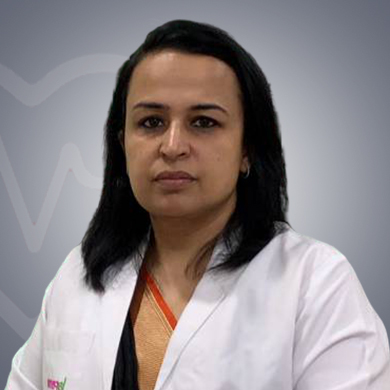
Dr. Nymphaea Walecha
Infertility & Laproscopy & Gynecologist
18 Years of Experience
Dr. Walecha, an M.D. Gynae from PGIMS Rohtak, Haryana, left her position as Assistant Professor of Obstetrics and Gynecology to train in Infertility Management and Assisted Reproductive Techniques at Fertility Clinic Mumbai under Dr. Sadhana Desai, who was instrumental in the country's second IVF baby. View More
Last Reviewed - January 2026