Otosclerosis Treatment in Turkey
- Top Accredited Hospitals
- Global Medical Standards
- Cutting-Edge Technology
- Proven Treatment Options
- High Success Rate
- Trusted by Millions

What is Otosclerosis?
A disorder called otosclerosis damages the middle ear and causes hearing loss. It happens when the middle ear's aberrant bone growth obstructs sound waves' passage from the outer to the inner ear.
What is the Importance of Timely Treatment?
Early intervention can greatly enhance hearing and restore auditory function, whether it takes the form of surgical procedures like stapedectomy or the use of hearing aids. Early intervention for hearing loss improves a person's quality of life by enabling them to participate more fully in social, professional, and recreational activities. Since otosclerosis is a degenerative disorder, hearing loss could get worse over time if treatment is delayed. Early intervention can help stop hearing loss from getting worse.
What are the symptoms of Otosclerosis?
Hearing loss results from otosclerosis, a disorder that damages the middle ear's bones. The following are some typical signs of otosclerosis:
- The most prevalent sign is a progressive loss of hearing in one or both ears, which usually begins in the late teens to early 40s. It frequently starts with trouble hearing whispers or low-pitched sounds
- Tinnitus: A continuous or sporadic ringing, buzzing, or hissing sound in the ears
- Vertigo or Dizziness: Some people may feel as though they are spinning or have trouble balancing
- According to a phenomena known as paracusis willisii, people with otosclerosis may be able to hear better in noisy settings than in calm ones
- Feeling of Fullness in the Ear: Some otosclerosis patients may experience pressure or fullness in the affected ear
- Difficulty Understanding Speech: People may find it difficult to follow discussions, particularly in difficult listening situations.
Causes and Risk Factors of Tethered Otosclerosis
Causes
Three small bones called ossicles are located deep inside your ear, and they vibrate to intensify sound waves that go through them. Before reaching your brain, these sound waves pass via your inner ear's cochlea, where they are transformed into signals. The most common cause of otosclerosis is the fusion of the stapes bone, a tiny, triangular bone in the middle ear, with the surrounding bone tissue. Sound is therefore unable to travel efficiently.
Consider the triangle, a musical instrument. When held correctly by the loop at the top, the triangle hangs freely and vibrates when struck, producing a rich sound. However, the sound is muffled if you put your hand around the triangle itself.
Risk Factors
Anything that raises your likelihood of getting a particular illness is called a risk factor. Otosclerosis risk factors could include:
- Family background: If a parent, sibling, or grandparent has otosclerosis, you are at a higher risk of getting it yourself
- Gender: Otosclerosis is more likely to occur in women
- Race: In general, otosclerosis is more common in white people
- Pregnancy: Pregnant women who are predisposed to otosclerosis may acquire the disorder.
Connect with our advisor for a PRIORITY response
Latest Research and Technologies in the Treatment of Ostclerosis in Turkey
Turkey is leading the way in the treatment of otosclerosis by employing cutting-edge methods such as endoscopic stapedotomy and laser-assisted surgery for accurate, minimally invasive surgery. Cochlear implants are an efficient way to restore hearing in extreme situations. Turkey is now one of the top places to treat otosclerosis because of its cutting-edge technology, highly qualified professionals, and excellent success rates.
Otosclerosis Prevention Tips
Otosclerosis does not have any avoidable risk factors, such as exposure to loud noises, like some other hearing disorders do. From a genetic perspective, some people are more susceptible to it. Therefore, otosclerosis cannot be prevented from occurring.
Treatment options for Otosclerosis
Cochlear implants: can enhance hearing in individuals with cochlear otosclerosis. (Your cochlea is a spiral, fluid-filled structure within your inner ear that assists with hearing.) A cochlear implant bypasses your inner ear structures and establishes a new pathway for sounds to travel to your brain.
Cost Start From USD 19317 - USD 20477Explore Options
Hearing Aids: To improve your hearing, hearing aids amplify the sounds around you. An audiologist can adjust your hearing aid's settings to fit your needs.
Stapedectomy: Otosclerosis surgery is medically referred to as a "stapedectomy." An otolaryngologist implants a prosthesis, or replacement hearing bone, into your middle ear during this procedure. Bypassing the stapes bone, the prosthetic allows sound waves to pass into your inner ear. Your hearing improves as a result.
Your doctor will perform a physical examination and enquire about your symptoms. They will look for infections or other conditions that might lead to Otosclerosis. If you have an ear injury or they suspect a tumour, doctors might perform an MRI or CT scan (computed tomography scan). Your provider may recommend an audiologist who does particular hearing tests, or you may get in touch with one on your own.
Typical hearing exams consist of:
- Pure-tone testing: This popular hearing test determines the lowest volume at each pitch that you can hear. To hear the sounds and speech, you will put on earplugs or headphones. Additionally, a device for bone conduction testing will be worn on your head. Your audiologist can identify the type of Otosclerosis you have by using bone conduction testing in conjunction with headphones or earplugs
- Audiologists utilise the Otoacoustic Emissions Test (OAE) to assess the function of your inner ear
- Tympanometry: This test measures the eardrum's range of motion. Audiologists may do tympanometry tests to determine whether you have wax in your ear canal, fluid in your middle ear, or a burst eardrum.
MediRehab (a chain of Rehab centres, part of MediGence) provides comprehensive rehabilitation services to support patients through Teleconsulations and online therapy sessions. These services include:
- Personalized Therapy Plans: Aural rehabilitation is the process of helping people with Otosclerosis enhance their communication abilities and general quality of life through a variety of therapies and techniques
- Sign Language Therapy: For people who are congenitally deaf, learning sign language can be a useful communication tool. It can be combined with other forms of communication.
- Rehabilitation Post Cochlear Implant: Cochlear implants can provide those with severe to profound Otosclerosis a sense of sound. These devices need to be surgically implanted and treated continuously with therapy.
- Nutrition Guidance: A balanced diet can promote general hearing health and possibly lessen some related problems.
Depending on the situation, your healthcare professional may prescribe medicine to help control your symptoms and support the treatment plan.
Instantly Connect with our Specialists


Hospitals for Otosclerosis in Turkey
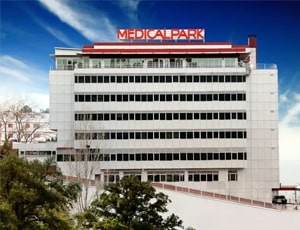
Medical Park Trabzon Star Hospital
Trabzon, Turkey
Apart from in-detail treatment procedures available, Medical Park Trabzon Star Hospital located in Trabzon, Turkey has a wide variety of facilities available for International Patients. Some of the facilities which are provided by them are Accommodation, Airport Transfer, Choice of Meals, Interpreter, TV inside room. Also listed below are some of the most prominent infrastructural details:
- Covers a 12,000 sqm of indoor area
- 107 beds
- ICU (17 beds)
- 12 beds in Neonatal ICU (NICU)
- 6 Operating rooms

VM Medical Park Ankara
Ankara, Turkey
Apart from in-detail treatment procedures available, VM Medical Park Ankara located in Ankara, Turkey has a wide variety of facilities available for International Patients. Some of the facilities which are provided by them are Accommodation, Airport Transfer, Choice of Meals, Interpreter, TV inside room. Also listed below are some of the most prominent infrastructural details:
- Covers an area of 22,000 sqm
- Capacity of 44 beds
- 6 Operating Rooms
- 72 Outpatient Clinics
- Online doctor consultation
- Medical records transfer
- Rehabilitation
- Translation services
- Interpreter services
- Airport pickup
- Hotel booking
- Free Wi-fi
- Phone in the room
- TV in the room
- Special dietary requests accepted
- Private rooms for patients available
- Family accommodation
- Pharmacy
- Laundry
- Mobility accessible rooms

Medical Park Tokat Hospital
Tokat, Turkey
Apart from in-detail treatment procedures available, Medical Park Tokat Hospital located in Tokat, Turkey has a wide variety of facilities available for International Patients. Some of the facilities which are provided by them are Accommodation, Airport Transfer, Choice of Meals, Interpreter, SIM. Also listed below are some of the most prominent infrastructural details:
- The Hospital is carrying out its medical activities in an area of 14.000m2
- Availability of 100 inpatient beds
- 6 Operation Theatres (1 reserved for Cardiovascular surgery)
- Physical Therapy Unit with 6 cabins, 3 operating rooms, one exclusively reserved for Heart and Vessel surgeries only
- Cardiology Department
- Neurosurgery Clinics
- Ophthalmology Clinic and many other clinics/units
- Designed with comprise suite rooms and single rooms, keeping the patients comfort as a priority
Our Services to better your experience
Opinion & Option
We submit the most accurate opinion and options from one or more countries for your review
Consult Privately
Consult with a certified specialist privately on our telemedicine platform even before you decide to travel
Logistics
We handle flights, visas, transfers, and accommodation—so you can focus on your health.
Recovery
Our In-house rehabilitation service packages to better your recovery and treatment outcome
Why Choose Turkey for Otosclerosis Treatment?
Here are some of the reasons for choosing Turkey:
- Due to advancements in medical facilities, such as minimally invasive surgical techniques and cochlear implants.
- World-class experts include highly experienced doctors and JCI-accredited healthcare institutions.
- Compared to other countries, treatment in Turkish hospitals is cost-effective.
- Turkish hospitals provide international patient services, including a multilingual support system.
- Improved treatment methods and biological therapies.
Frequently Asked Questions
Yes, many patients use hearing aids to treat hearing loss associated with otosclerosis effectively. A stapedectomy is a form of surgery that can help you hear better in certain situations. Your doctor might suggest a cochlear implant if you have cochlear otosclerosis, which affects the inner ear.
With success rates for treatments like stapedotomy and cochlear implants surpassing 90%, otosclerosis therapy in Turkey is very successful. Expert specialists and cutting-edge surgical methods guarantee long-term outcomes and a noticeable increase in hearing.
Yes, many Turkish hospitals offer the following for Otosclerosis treatment:
- Advanced diagnostic tools like MRI, CT scan, electromyography, and PET scan for accurate diagnoses.
- Skilled ENT physicians and therapists performing therapies.
- Comprehensive care and rehabilitation for long-term health benefit
- How can I choose Turkey's top doctor and the best Otosclerosis treatment hospital?
- Hospitals that are accredited (authorised by JCI).
- Patient reviews and success rates.
- Hospitals that provide seamless care to patients from abroad.
Of course! With the correct help and early intervention, many people with Otosclerosis have happy, successful lives.
Otosclerosis may worsen over time if treatment is not received. It may occasionally spread to the inner ear and result in cochlear otosclerosis. You can speak with your healthcare practitioner about your alternatives and find out if they advise continuing therapy or keeping an eye on your situation.
It usually takes 1-2 weeks for the first healing process following otosclerosis surgery, such as a stapedotomy, and 6-8 weeks for complete hearing improvement. During their recovery, patients should refrain from taxing activities and loud noises.
Yes, Turkey's healthcare system accepts patients from abroad and provides excellent ostosclerosis treatments at many clinics and hospitals.
Yes, many Turkish hospitals offer in-person and online consultations to foreign patients who want a second opinion.

Reviewer
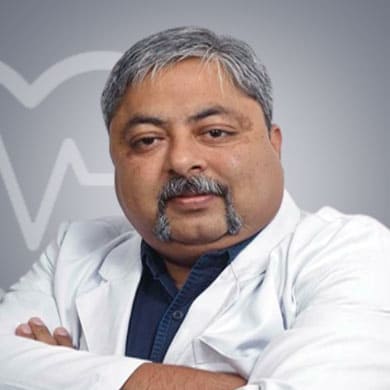
Dr. Vidit Tripathi
ENT Surgeon
24 Years of Experience
One of the finest ENT Surgeon in New Delhi, India, Dr. Vidit Tripathi, has worked with several world class multidisciplinary hospitals over the years. Dr. Vidit Tripathi has over 24+ years of experience in his field. The specialist treats and manages a wide range of conditions such as Goiter, Radiation Necrosis in Neck, Neck Injury, Perforates Eardrum View More
Last Reviewed - January 2026