Obesity Treatment in India
- Top Accredited Hospitals
- Global Medical Standards
- Cutting-Edge Technology
- Proven Treatment Options
- High Success Rate
- Trusted by Millions

What is Obesity?
Obesity is a complex condition primarily caused by excess body fat. Obesity is more than a cosmetic issue. This medical condition increases the risk of many other illnesses and health issues. Heart disease, diabetes, hypertension, hypercholesterolemia, liver disease, sleep apnea, and many forms of cancer are among them.
Some people find it difficult to lose weight for various reasons. Sometimes, obesity is caused by a combination of environment, physiology, genetic variables, diet, exercise, and physical activity choices.
What is the Importance of Timely Treatment?
Obesity must be treated in time to prevent significant health issues such as diabetes, heart disease, high blood pressure, and some types of cancer. Early treatment can improve general health and well-being by reducing the risk of long-term diseases, improving quality of life, and helping with proper weight management. It also leads to better long-term control and successful weight loss.
What are the Common Symptoms of Obesity?
Common symptoms of obesity include the following:
- Excessive Body Fat: Gaining much weight in the thighs, hips, and abdomen.
- Breathlessness: Shortness of breath upon exertion
- Fatigue: Weak and getting tired, even after rest.
- Snoring or Sleep apnea refers to breathing difficulties that disturb sleep most of the time.
- Excessive Sweating: Sweating more, especially at rest or exercising.
- Difficulty moving around and, for this reason, being unable to carry out any physical activity.
- Increased Appetite: Always feeling hungry or wanting to eat.
- Mood Changes: Depressed, anxious, or low self-esteem feelings linked to weight-related problems.
Causes and Risk Factors of Obesity
Causes
- Poor Diet: Consumption of processed snacks, sugary drinks, high-calorie foods, and low-nutrient fast food.
- Lack of Physical Activity: Prolonged sitting and inactivity lead to lower caloric expenditure.
- Genetics: Genetic predisposition, inherited genes, and family history may influence the body's way of storing fat and controlling metabolism.
- Medical Conditions: Insulin resistance, hypothyroidism, and polycystic ovarian syndrome (PCOS) can increase the risk of obesity.
- Medication: Antidepressants, steroids, and antipsychotics are some of the drugs that may lead to weight gain.
- Hormonal Imbalances: Hormonal imbalances in leptin, ghrelin, and insulin may affect appetite and fat storage.
- Emotional Factors: Overeating as a coping mechanism may be caused by stress, despair, and emotional eating.
Risk Factors
- Age
- Physical Inactivity
- Poor Diet
- Medical Conditions
- Medications
- Psychological Factors
- Socioeconomic Factors
- Sleep Issues
Connect with our advisor for a PRIORITY response
Latest Research and Technologies in the Treatment of Obesity in India
Now, treatments for obesity have advanced, including medication and lifestyle changes. These days, the key approaches focus on personalised treatment, including behavioural therapy, exercise, and nutritional changes. Medications, such as GLP-1 receptor agonists, are often employed to suppress appetite and contribute to weight loss. In addition, bariatric surgery and other surgical interventions are increasingly popular among highly obese individuals due to their significant long-term benefits.
Obesity Prevention Tips
Here are some tips for preventing obesity:
Keep Your Diet Balanced: Limit processed foods, sugar-filled beverages, and high-calorie snacks while eating a diet full of fruits, vegetables, whole grains, lean meats, and healthy fats.
Maintain Your Physical Activity Level: Try to get in at least 30 minutes of moderate activity, such as swimming, cycling, or walking, on most days of the week.
Control Portion Sizes: Eat smaller, more frequent meals throughout the day and be aware of portion sizes to prevent overindulgence.
Keep Yourself Hydrated: Limit sugary drinks and sip water throughout the day.
Get Enough Sleep: Get between seven and nine hours of sound sleep every night. Lack of sleep can alter appetite hormones and cause overeating.
Treatment options for Obesity
Gastric Bypass: This technique prevents food intake and nutrient absorption by bypassing a portion of the small intestine and creating a tiny pouch-like stomach.
Cost Start From USD 6000 - USD 8000Explore Options
Sleeve Gastrectomy: A sleeve-shaped stomach that limits food intake is left behind after a significant section of the stomach is removed during a sleeve gastroscopy.
Cost Start From USD 5000 - USD 7000Explore Options
Lap Gastric Banding: restricts the amount of food consumed by wrapping a band around the upper part of the stomach to form a small pouch known as an Adjustable Gastric Banding or lap band.
Cost Start From USD 3500 - USD 5500Explore Options
Clinical assessment:
- Physical Examination: A thorough physical examination evaluates overall health. This includes measuring waist circumference, waist-to-hip ratio, and body mass index. It helps estimate body fat distribution and the possible risk of developing diabetes or heart problems.
- Blood Tests: Blood tests are used to screen for potential subclinical medical disorders such as insulin resistance, hypothyroidism, hyperglycemia, and high cholesterol that could be associated with obesity.
Imaging Tests:
- The DEXA scan is a test that measures bone density, lean mass, and fat mass. It provides a detailed assessment of fat distribution, which is essential to understand the health risks associated with obesity.
- Ultrasound: Fatty liver and abdominal fat are common conditions in obese individuals, and ultrasound imaging can be used to assess these conditions.
MediRehab (chain of Rehab centres - Part of MediGence) provides comprehensive rehabilitation services designed to support Obesity patients in India. These services include:
Behaviouraltherapy is focused on solving emotional eating, developing self-control, and changing pathological eating habits. It may aid people in formulating and reaching weight loss objectives, and it may use support groups, cognitive behavioural therapy (CBT), or counselling.
Physical therapy: Customized exercise programs for obese individuals help improve their strength, cardiovascular fitness, and ambulation ability. A physical therapist can design low-impact exercises that can gradually raise the intensity of a patient's activity without harming the patient.
- Depending on the situation, your healthcare professional may prescribe medicine to help control your symptoms and support the treatment plan.
Instantly Connect with our Specialists


Hospitals for Obesity in India

Pushpawati Singhania Research Institute
Delhi, India
Pushpawati Singhania Research Institute located in New Delhi, India is accredited by NABH, NABL. Also listed below are some of the most prominent infrastructural details:
- Multi-bed hospital with state-of-art infrastructure
- Advanced medical equipment
- High-tech labs
- Modular operation theaters
- Cath labs with Clarity Platform, 128 channel CARTO 3 version 4 with ICE mapping facility, FD 10 Prucka 2D EP system
- High-end Intensive Coronary Care Unit
- Dedicated Pre-Post Cath Unit
- Multislice CT Scan, 1.5 Tesla MRI
- 24 *7*365 functional cardiac Cath lab & operation theatre
- Fifteen bedded Coronary Care Unit
- 3D, 4D Echo & Trans-oesophageal Echo, Non Invasive cardiology (Holter, TMT, Echo, 24hrs ambulatory BP Monitoring
- Radio Frequency Ablation like Complex Arrhythmia such as ischemic VT, AF with 3 D Mapping imaging
- RFA using ICE Intra-cardiac Echo
- Well-equipped inpatient and intensive care services
- Ultra-modern Blood Bank Facility
- Advanced Physiotherapy center, 24/7 Emergency &Trauma services
- Gastroenterology department equipped with Capsule endoscopy, Endoscopic retrograde cholangiopancreatography, Single balloon enteroscopy, High resolution esophageal and anorectal manometry, Endoscopic ultrasound, and hydrogen breath test
Sustained low-efficiency daily dialysis and Continuous Renal Replacement Therapy - Exhaled Nitric oxide (FeNO) and allergy testing for the management of asthma
- Conventional PAP/ Liquid PAP/ HPV-DNA test for the patients with the High risk of cervical cancer

Max Smart Super Speciality Hospital
Delhi, India
- Max Smart Super Speciality Hospital, Saket, New Delhi, is a 250-bed tertiary care hospital known for advanced medical technology and patient-centred care.
- The hospital offers services across 22+ specialities, including Cardiac Sciences, Orthopaedics, Urology, Neurology, Neurosurgery, Paediatrics, Obstetrics, and Gynaecology.
- It is a regional hub for complex procedures such as neurovascular interventions, targeted cancer treatments, heart surgeries, kidney and liver transplants, and bariatric care.
- Equipped with a 3.0 Tesla MRI, 256 Slice CT Angio, Cath Labs, Digital Orthopaedic Suite, and advanced diagnostic tools, and supported by 275+ doctors and 606+ trained staff, Max Smart Saket provides high-quality, multidisciplinary care for domestic and international patients.
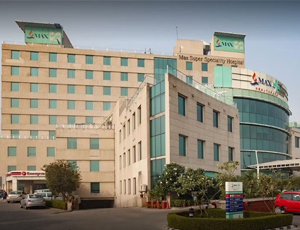
Max Super Specialty Hospital, Shalimar Bagh
Delhi, India
- Max Super Speciality Hospital, Shalimar Bagh, is a 402-bed quaternary-care hospital in New Delhi, offering advanced treatment across 37+ specialities, including Cancer, Cardiac, Neurosciences, Gastroenterology, Orthopaedics, and Renal Transplant.
- Equipped with state-of-the-art technology and a team of highly skilled doctors and nurses, the hospital provides complex procedures, minimally invasive surgeries, and targeted cancer treatments, making it one of India’s leading healthcare destinations.
Our Services to better your experience
Opinion & Option
We submit the most accurate opinion and options from one or more countries for your review
Consult Privately
Consult with a certified specialist privately on our telemedicine platform even before you decide to travel
Logistics
We handle flights, visas, transfers, and accommodation—so you can focus on your health.
Recovery
Our In-house rehabilitation service packages to better your recovery and treatment outcome
Why Choose India for Obesity Treatment?
India is a popular destination for treating obesity for several significant reasons:
Affordable Healthcare: Compared to many Western countries, India provides affordable treatment options, including weight loss programs and bariatric surgery, at a fraction of the cost.
Highly Trained Medical Professionals
India has highly trained doctors and surgeons, many of whom are internationally qualified and aware of the latest obesity treatments.
State-of-the-Art Facilities
To ensure quality care, most Indian hospitals are equipped with the latest medical technology and follow international healthcare standards.
There are various treatment options, ranging from incredibly complex bariatric operations to non-surgical weight loss programs. Patients can expect therapy plans that address their specific needs.
Frequently Asked Questions
A well-balanced diet rich in nutritious food with limited portions will help you lose weight. Include common exercise, with 150 minutes of moderate activity per week, and drink plenty of water. Eat mindfully, get seven to nine hours of good sleep, and use yoga or other stress-reduction techniques. To maintain motivation, set reasonable weight loss objectives, don't skip meals, and surround yourself with encouraging people.
Bariatric surgery is a weight-loss method for severely obese individuals that alters the digestive tract to help the patient lose weight. The options include sleeve gastrectomy, adjustable gastric banding, and gastric bypass. Candidates must have failed other efforts at weight loss and have a BMI of 40 or higher or 35 or higher with obesity-related medical conditions. To undergo the procedure, they must also be generally healthy and committed to lifestyle changes over the rest of their lives.
Although the recovery time after bariatric surgery in India varies by patient and technique, it generally takes three to six weeks. Patients usually spend one to three days in the hospital immediately following surgery. The diet is liquid or soft food for the first few weeks, and rest is essential.
Most people can return to mild work or hobbies within two to three weeks, but physical activity should be avoided for four to six weeks. Complete healing takes six months, but readjusting to the new food and lifestyle changes may take up to three months.
There are several types of bariatric surgery, all of which aim at helping patients lose weight by effecting changes to the digestive system in some way:
Gastric Bypass: This technique prevents food intake and nutrient absorption by bypassing a portion of the small intestine and creating a tiny pouch-like stomach.
Sleeve gastrectomy: A sleeve-shaped stomach that limits food intake is left behind after a significant section of the stomach is removed during a sleeve gastroscopy.
Adjustable Gastric Banding: This technique restricts the amount of food consumed by wrapping a band around the upper part of the stomach to form a small pouch known as an Adjustable Gastric Banding or lap band.
Most patients experience a loss of between 50% and 70% of their excess weight within a year or two of bariatric surgery. However, this varies from patient to patient, depending on factors such as metabolism, lifestyle changes, and the surgery performed. After one year, weight loss tends to slow down; therefore, continuing healthy practices and annual check-ups are critical for long-term success.
Maintaining a healthy diet, exercising regularly, and, in some cases, medical care or bariatric surgery can all help manage obesity, which can be a lifelong condition. Although it cannot be totally "cured," durability depends on making these adjustments to avoid weight gain and improve overall health.

Reviewer

Dr. Ashish George
Gastroenterologist
18 Years of Experience
Dr. Ashish George is one of the leading names in HPB surgery & liver transplantation and has about 18+ years of experience.He is a principal consultant & unit head of liver transplant at Fortis Shalimar Bagh. View More
Last Reviewed - January 2026