Nasal Obstructions and Deformities Treatment in India
- Top Accredited Hospitals
- Global Medical Standards
- Cutting-Edge Technology
- Proven Treatment Options
- High Success Rate
- Trusted by Millions

What are Nasal Obstructions and Deformities?
Among the most frequent causes of visits to allergists, otolaryngologists, and primary care physicians are nasal and sinus issues. Nasal obstruction is most usually described as a patient symptom that presents as a feeling of inadequate airflow through the nose, while some doctors interpret it to suggest a blockage within the nasal cavity [1]. Many common disease processes, including rhinitis, sinusitis, septal deviation, adenoid hypertrophy, and nasal trauma, may manifest with nasal blockage as their primary symptom.
What is the Importance of Timely Treatment?
For a number of reasons, it is imperative that nasal blockages and abnormalities be treated promptly.
- Avoiding Complications: Complications from untreated nasal blockages include ear infections, persistent sinusitis, and even anatomical alterations to the nasal passageways. Better long-term results can be guaranteed and these issues can be avoided with early management
- Improved Sleep: Snoring and disturbed sleep brought on by nasal blockages might result in daytime exhaustion and decreased productivity. Improving sleep quality with prompt treatment can enhance general health and wellbeing
- Preventing Chronic Illnesses: Long-term health problems like respiratory and cardiovascular disorders might result from persistent nasal blockages. Early intervention can improve general health and prevent the onset of chronic diseases
- Better Inhalation: Airflow can be severely impeded by nasal blockages, making it difficult to breathe through the nose. Restoring appropriate airflow through prompt therapy can enhance respiratory health overall and lower the chance of issues like sleep apnea.
- Improved Life Quality: Frequent sinus infections, a diminished sense of taste and smell, and ongoing discomfort can result from long-term nasal blockages and abnormalities. By reducing symptoms and avoiding recurrent infections, early treatment of these conditions can improve quality of life.
What are the symptoms of Nasal Obstructions and Deformities?
- Breathing difficulties include having trouble using one or both nostrils
- Nasal congestion is characterized by a clogged or persistently stuffy nose
- Frequent Sinus Infections: Sinusitis or recurrent sinus infections
- Snoring and Sleep Apnea: Snoring, sleep apnea, or noisy breathing while you're asleep
- Mucus pouring down the neck is known as postnasal drip
- Diminished Smell: Inability to detect scents
- Headaches: Pain or pressure in the cheekbones, eyes, or forehead.
symptoms caused by visible nasal abnormalities include structural alterations to the nose's appearance, including a bent or crooked nose:
- Breathing problems: Breathing via the nose might be challenging because of structural problems such a deviated septum
- Symptoms of Nasal Trauma: After a nasal injury, there may be pain, swelling, or bruises
- Recurrent Nosebleeds: Frequently occurring nosebleeds brought on by anatomical anomalies.
Causes and Risk Factors of Tethered Nasal Obstructions and Deformities
Causes
- Allergic Rhinitis: Allergies can irritate the nasal passages, which can result in congestion
- Non-Allergic Rhinitis: Inflammation brought on by irritants like smoke or strong smells that aren't allergies
- Sinus Infections: Infections can enlarge the nasal passages and obstruct them
Causes of Structure
- Deviated Septum: Airflow obstruction may result from an off-center or crooked nasal septum
- Nasal polyps: Airflow obstructions caused by non-cancerous growths in the nasal passageways
- Enlarged Turbinates: Airflow obstruction can result from the enlargement of the bony bones inside the nose
- Enlarged Adenoids: Particularly in youngsters, the glands behind the nasal cavity may grow and obstruct the airway
- Other Reasons: Nasal Valve Collapse: Breathing becomes challenging when the nasal passage's smallest section collapses.
Risk Factors
- Allergies: Chronic inflammation and congestion can result from allergic rhinitis
- Infections: Swelling and obstructions may result from recurrent sinus infections
- Smoking: Inflammation results from tobacco smoke's irritation of the nasal passages
- Environmental Irritants: Nasal irritation can result from exposure to chemicals, pollution, and unpleasant scents
- Medication: If used in excess, several drugs, such nasal decongestant sprays, might result in rebound congestion
Nasal Obstructions and Deformities Prevention Tips
- Manage Allergies: As directed by your healthcare professional, take antihistamines and nasal corticosteroids to keep allergies under control
- Avoid Irritants: Steer clear of substances that can irritate the nasal passages, such as smoke, harsh smells, and pollutants
- Maintain Good Hygiene: To lower your risk of infections that can aggravate your nose, wash your hands frequently
- Remain Hydrated: To keep the nasal passages moist and lessen congestion, drink a lot of water
- Use a Humidifier: To avoid dry nasal passages, keep your home's humidity levels at a suitable level
- Limit Decongestant Use: Rebound congestion may result from using nasal decongestant sprays excessively.
Connect with our advisor for a PRIORITY response
Latest Research and Technologies in Treatment of Nasal Obstructions and Deformities in India
- Repair and Reconstruction of Nasal Deformities: Frontiers in Surgery has published research on the treatment procedures for nasoalveolar molding at cleft centers around India. This study emphasizes the difficulties and developments in the field of nose deformity repair and reconstruction
- Caudal Septal Deviation: A fresh approach to categorizing and treating this condition has been put forth. This study assessed the effectiveness of septo-rhinoplasty in treating various forms of caudal septal deviation and was published in the Indian Journal of Otolaryngology and Head & Neck Surgery. The outcomes demonstrated a notable improvement in the management of nasal blockage.
Treatment options for Nasal Obstructions and Deformities
Septoplasty: The nasal septum, the wall of bone and cartilage separating the nostrils, can be straightened surgically with a septoplasty. Breathing problems, nasal congestion, and recurring sinus infections can all be caused by a deviated septum. Septoplasty enhances airflow through the nasal passages by correcting the distortion, making breathing simpler and more effective. The deviated portions of the septum are either removed or relocated to straighten it while under local or general anaesthesia.
Cost Start From USD 2500 - USD 3500Explore Options
Nasal Polyp Surgery: Patients with significant nasal blockage from polyps that do not improve with medication are frequently advised to have nasal polyp surgery.
Cost Start From USD 2500 - USD 3500Explore Options
- Clinical assessment:
- Physical Examination: A careful inspection of the nasal passageways using a light source and a nasal speculum to look for any obvious abnormalities or obstructions
- Medical History: The physician will inquire about the symptoms, how long they have persisted, and any aggravating or mitigating circumstances.
- Imaging Tests:
o Nasal Endoscopy: To obtain a close-up look of the sinuses and nasal cavity, a thin, flexible tube equipped with a camera (endoscope) is placed into the nasal passages
o CT Scan: To detect any obstructions or abnormalities, a computed tomography (CT) scan can offer fine-grained pictures of the sinus and nasal tissues.
- Other diagnostic:
o Rhinomanometry: This test measures the airflow and pressure in the nasal passages to assess the degree of obstruction.
o Acoustic Rhinometry: This test uses sound waves to measure the cross-sectional area of the nasal passages and detect any narrowing or blockages.
o Allergy Testing: Allergy testing may be carried out if allergies are thought to be the cause of nasal blockage.
o Sleep Studies: To check for disorders like sleep apnea, a sleep study may be suggested when nasal blockage is causing sleep difficulties.
MediRehab (chain of Rehab center - part of MediGence provides comprehensive rehabilitation services designed to support arthritis patients in India. These services include:
- Nutritional Counseling: Diet plans to reduce inflammation and boost immunity
- Breathing Therapy: Through exercises and technique, Functional Nasal Breathing Rehabilitation (FNBR), an integrative breathing therapy regimen, aims to improve nasal breathing and decrease mouth breathing.
- Avoiding Irritants: Steer clear of substances that can irritate the nasal passages, such as smoke, harsh smells, and pollutants.
- Rehabilitation post Surgery: physiotherapy sessions focused on breathing technique after septoplasty and nasal polyp surgery.
- Nasal corticosteroid sprays: These sprays improve airflow by reducing nasal canal irritation
- Decongestants: These drugs temporarily relieve congestion by reducing nasal passage edema. In order to prevent rebound congestion, nasal decongestant sprays should not be taken for longer than a few days
- Antihistamines: These drugs lessen nasal congestion and other allergy symptoms
- Saline Nasal Sprays: These sprays help moisturize the nasal passages and flush out mucus and irritants, providing relief from congestion.
Instantly Connect with our Specialists


Hospitals for Nasal Obstructions and Deformities in India
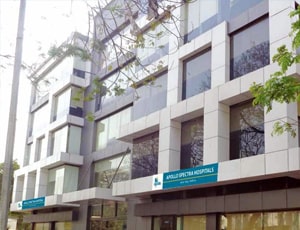
Apollo Spectra Hospital
Pune, India
Apollo Spectra Hospital located in Pune, India is accredited by JCI. Also listed below are some of the most prominent infrastructural details:
- Present in a 30000 sq. ft. area
- 5 beds are for critical care
- 5 ultra-modern modular OTs
- World class rehabilitation center
- In-house pharmacy
- Beautifully designed In-patients waiting area
- 80 plus healthcare professionals which also includes 45 specialist consultants

Max Smart Super Speciality Hospital
Delhi, India
- Max Smart Super Speciality Hospital, Saket, New Delhi, is a 250-bed tertiary care hospital known for advanced medical technology and patient-centred care.
- The hospital offers services across 22+ specialities, including Cardiac Sciences, Orthopaedics, Urology, Neurology, Neurosurgery, Paediatrics, Obstetrics, and Gynaecology.
- It is a regional hub for complex procedures such as neurovascular interventions, targeted cancer treatments, heart surgeries, kidney and liver transplants, and bariatric care.
- Equipped with a 3.0 Tesla MRI, 256 Slice CT Angio, Cath Labs, Digital Orthopaedic Suite, and advanced diagnostic tools, and supported by 275+ doctors and 606+ trained staff, Max Smart Saket provides high-quality, multidisciplinary care for domestic and international patients.
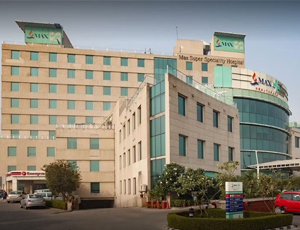
Max Super Specialty Hospital, Shalimar Bagh
Delhi, India
- Max Super Speciality Hospital, Shalimar Bagh, is a 402-bed quaternary-care hospital in New Delhi, offering advanced treatment across 37+ specialities, including Cancer, Cardiac, Neurosciences, Gastroenterology, Orthopaedics, and Renal Transplant.
- Equipped with state-of-the-art technology and a team of highly skilled doctors and nurses, the hospital provides complex procedures, minimally invasive surgeries, and targeted cancer treatments, making it one of India’s leading healthcare destinations.
Our Services to better your experience
Opinion & Option
We submit the most accurate opinion and options from one or more countries for your review
Consult Privately
Consult with a certified specialist privately on our telemedicine platform even before you decide to travel
Logistics
We handle flights, visas, transfers, and accommodation—so you can focus on your health.
Recovery
Our In-house rehabilitation service packages to better your recovery and treatment outcome
- Expert Surgeons: India is home to many highly qualified ENT experts and surgeons who have vast experience treating nasal abnormalities and obstructions
- Advanced Medical Facilities: A large number of Indian hospitals and clinics are outfitted with cutting-edge equipment and facilities, guaranteeing excellent treatment and positive results.
Frequently Asked Questions
It is very feasible to cure nasal abnormalities and blockages. The severity of the ailment and its underlying cause determine the therapy strategy. Here are a few typical forms of treatment: Nasal Corticosteroid Sprays, Decongestants, Antihistamines, Saline Nasal Irrigation, Septoplasty and nasal polypectomy.
In India, there are a number of surgical and non-surgical alternatives for treating nasal blockages and abnormalities, and these treatments are usually successful. Here are some important points:
- A typical surgical technique for correcting a deviated septum is septoplasty. Research has indicated that septoplasty considerably reduces nasal blockage and improves patients' quality of life
- Nasal polypectomy is an operation to remove polyps from within the nose. It is done through the nose, so you won't have any incisions on the outside.
Yes, many Indian hospitals offer the following for Nasal Obstruction and Deformities treatment:
- Advanced diagnostic tools like MRI, CT scan, electromyography, and PET scan for accurate diagnoses of cause of Nasal Obstruction and Deformities
- Skilled ENT doctors and and surgeons
- Advanced septoplasty and nasal polypectomy procedures techniques
- Comprehensive post-surgery care and rehabilitation for long-term health benefit
Always consider the following factors when selecting Indian hospitals:
- Hospitals that are accredited (authorised by JCI and NABH).
- Patient reviews and success rates.
- Hospitals that provide seamless care to patients from abroad.
Thanks to highly qualified medical personnel and state-of-the-art facilities, nasal blockages and abnormalities are typically successfully treated in India. The particular ailment and the level of experience of the participating medical specialists determine how effective these treatments are. With highly qualified ENT experts and surgeons, India boasts a strong healthcare system that can effectively cure nasal blockages and deformities.
Although it might be difficult to spot nasal blockages and abnormalities in youngsters, there are a few indications to watch out for: Signs of obstructions in the nose:
- Challenge Breathing: Your child may experience nasal breathing difficulties, particularly when they are sleeping
- Snoring: Nasal blockage may be indicated by persistent snoring
- Mouth Breathing: A nasal blockage may be the cause of your child's frequent mouth breathing
- Chronic stuffiness or a runny nose without a known reason is known as nasal congestion
- Frequent Infections: Nasal blockages may be linked to recurrent sinus or ear infections
- A change in your child's voice tone that makes it seem more nasal is known as nasal voice.
Effects of Nasal Obstructions Over Time:
- Chronic Breathing Problems: Long-term breathing problems brought on by persistent nasal blockages may force patients to use mouth breathing, which can dry out their throat and mouth
- Sleep Disorders: Patients with nasal obstructions frequently suffer from conditions including sleep apnoea and snoring, which impair the quality of their sleep and cause weariness during the day
- Regular Infections: Because chronic nasal blockages limit ventilation and drainage, they can raise the risk of sinus infections and other respiratory infections
- Diminished Smell: Chronic nasal blockages can cause anosmia, a reduction in smell that impacts taste and general well-being
- Humidifier: To help ease nasal congestion, keep the air in your child's room moist by using a humidifier
- Saline Nasal Drops: Saline drops can ease congestion and aid clear nasal passages
- Hydration: To keep the nasal passages wet, make sure your youngster consumes a lot of liquids
- Management of Allergies: Recognise and stay away from allergens including dust, pollen, and pet dander that can cause nasal congestion
- Elevate the Head: To help ease nasal congestion, raise your child's head while they sleep.

Reviewer
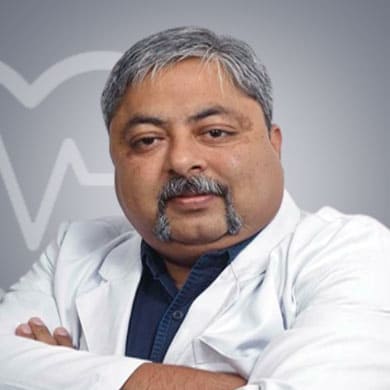
Dr. Vidit Tripathi
ENT Surgeon
24 Years of Experience
One of the finest ENT Surgeon in New Delhi, India, Dr. Vidit Tripathi, has worked with several world class multidisciplinary hospitals over the years. Dr. Vidit Tripathi has over 24+ years of experience in his field. The specialist treats and manages a wide range of conditions such as Goiter, Radiation Necrosis in Neck, Neck Injury, Perforates Eardrum View More
Last Reviewed - January 2026