Myelodysplastic syndromes (MDS) Treatment in Thailand
- Top Accredited Hospitals
- Global Medical Standards
- Cutting-Edge Technology
- Proven Treatment Options
- High Success Rate
- Trusted by Millions

What is Myelodysplastic syndrome (MDS)?
Myelodysplastic syndrome is a group of cancers that prevents hematopoietic stem cells from developing into healthy blood cells. Without enough healthy blood cells, people risk developing dangerous illnesses such as anaemia, frequent infections, and uncontrollable bleeding. Some patients with MDS may develop acute myeloid leukaemia (AML).
What is the Importance of Timely Treatment?
Myelodysplastic Syndrome (MDS) should be treated as soon as possible to prevent it from progressing to acute myeloid leukaemia (AML), relieve symptoms such as fatigue and anaemia, and improve general health.
Early intervention enhances the efficacy of chemotherapy and stem cell transplants, improving outcomes. It also helps to reduce life-threatening complications such as infections and bleeding, which improves the prognosis and survival rates.
Therefore, timely treatment is critical for effectively controlling MDS and giving patients a better long-term outlook.
What are the Common Symptoms of Myelodysplastic syndromes (MDS)?
People with myelodysplastic syndromes may not exhibit signs and symptoms at first.
Myelodysplastic syndromes could cause:
- Fatigue
- Shortness of breath.
- Unusual paleness (pallor) caused by decreased red blood cell count (anaemia)
- Low blood platelet count (thrombocytopenia) causes easy or uncommon bruising and bleeding.
- Pinpoint-sized red spots beneath the skin caused by bleeding.
- Frequent infections are caused by a low white blood cell count (leukopenia).
Types of Myelodysplastic syndrome (MDS)
The World Health Organization classifies myelodysplastic syndromes into subcategories based on the kind of blood cells involved (red cells, white cells, and platelets).
The myelodysplastic syndrome has several subtypes, including:
- Myelodysplastic disorders with a single lineage dysplasia: One type of blood cell, such as white blood cells, red blood cells, or platelets, has a low number and appears abnormal under the microscope.
- Myelodysplastic disorders with multilineage dysplasia: This subtype has two or three aberrant blood cell types.
- Myelodysplastic syndromes with ring sideroblasts: This subtype includes a small number of one or more blood cell types. One distinguishing aspect is the presence of extra iron rings in existing red blood cells in the bone marrow.
- Myelodysplastic syndromes with a solitary del(5q) chromosomal defect: People with this subtype have low red blood cells, which contain a unique mutation in their DNA.
- Myelodysplastic diseases with excessive blasts: In this subtype, any of the three types of blood cells, red blood cells, white blood cells, or platelets, may be depleted and appear abnormal under the microscope. The blood and bone marrow contain very young blood cells known as blasts.
- Myelodysplastic disorders that cannot be classified: This subtype has a lower amount of one or more types of mature blood cells, and the cells may appear unusual under a microscope. Sometimes, blood cells appear normal, but investigation may reveal DNA alterations linked with myelodysplastic syndromes.
Causes, Risk Factors and Complications of Myelodysplastic syndromes (MDS)
Causes
- A healthy person's bone marrow produces new, immature blood cells that mature over time. Myelodysplastic disorders occur when this process is disrupted, preventing the blood cells from maturing.
- Rather than growing properly, blood cells die in the bone marrow or shortly after entering the bloodstream. Over time, there are more immature, defective cells than healthy ones, resulting in issues such as fatigue caused by a lack of healthy red blood cells (anaemia), infections caused by a lack of healthy white blood cells (leukopenia), and bleeding caused by a lack of blood-clotting platelets.
- The majority of myelodysplastic syndromes have no known causes. Others are caused by exposure to cancer treatments like chemotherapy and radiation.
Risk Factors
The following factors can raise your risk of myelodysplastic syndromes:
- Older age: Myelodysplastic disorders primarily affect adults over the age of 60.
- Previously treated with chemotherapy or radiation: Chemotherapy and radiation therapy, two frequent cancer treatments, can raise your chance of developing myelodysplastic syndromes.
- Exposure to specific chemicals
Complications
Myelodysplastic syndromes can have the following complications:
- Anaemia: Anemia, or a lack of red blood cells, can cause fatigue.
- Recurrent infections: A low white blood cell count raises your risk of serious illnesses.
- Bleeding that won't stop: Excessive bleeding might occur when you do not have enough platelets in your blood to stop it.
- Increased risk of cancer: Some persons with myelodysplastic syndromes may develop malignancy of the bone marrow and blood cells (leukaemia).
Connect with our advisor for a PRIORITY response
Latest Research and Technologies in the Treatment of Myelodysplastic syndromes (MDS) in Thailand
- Myelodysplastic Syndromes (MDS) are being treated more effectively in Thailand due to targeted treatments and immunotherapy.
- Thailand's medical research focuses on genetic profiling to customise personalised treatments for patients, while stem cell transplants and hypomethylating drugs are widely used.
- Thailand uses next-generation sequencing to provide exact diagnosis and refine treatment options, resulting in better outcomes for MDS patients.
Myelodysplastic syndromes (MDS) Prevention Tips
- While there is no sure approach to prevent Myelodysplastic Syndromes (MDS), the following steps may help lessen the risk or contribute to early detection:
- Prevent exposure to hazardous chemicals.
- Minimise radiation exposure.
- Maintain a healthy lifestyle by eating balanced food, exercising regularly, and not smoking.
- Monitor genetic disorders that may raise the risk of MDS.
- Regular check-ups and blood testing are recommended for early detection, particularly for those with a family history or an increased risk.
Treatment options for Myelodysplastic syndromes (MDS)
Chemotherapy: Healthcare practitioners may administer the same chemotherapy used to treat AML. It uses medications to eliminate cancer cells and inhibit tumour growth.
Cost Start From USD 1000 - USD 6800Explore Options
Immunosuppressive therapy: Providers may utilise this medication for some MDS subtypes. Immunosuppressive medication reduces overactive immune systems, reducing the need for transfusions.
Cost Start From USD 3000 - USD 13578Explore Options
Bone Marrow Transplant: A bone marrow transplant, also known as a stem cell transplant, is the only treatment that can cure myelodysplastic disorders.
Cost Start From USD 50000 - USD 80000Explore Options
- Complete blood count (CBC) with differential: Your doctor will take blood samples to study your red and white blood cells, including measuring the quantity of each white blood cell type.
- Peripheral blood smear: Doctors will examine your blood sample to see if there are any changes in the amount, type, shape, or size of blood cells, as well as whether you have too much iron in your red blood cells.
- Cytogenetic analysis: A medical pathologist examines a blood sample under a microscope to search for changes in your blood cell's chromosomes.
- Bone marrow biopsy: In this process, your doctor inserts a hollow needle into your hipbone to extract bone marrow, blood, and a small piece of bone for examination under a microscope.
Rehabilitation for Hepatocellular Carcinoma (HCC) is an essential component of the rehabilitation process and enhances quality of life, particularly following surgery, liver transplantation, or other treatments. Here are some indispensable rehabilitation choices for HCC patients:
- Physical rehabilitation: Tailored exercise routines, which include light cardio and strength-building exercises, can assist in improving overall health, increasing stamina, and reducing tiredness after treatment.
- Managing malnutrition: Nutritional advice can help with these concerns, including using supplements or intravenous feeding if necessary.
- Psychosocial support: Therapy or joining support groups can help cancer patients cope with the emotional and mental problems of their treatment.
MediGence can assist and guide you in selecting the best physician and medical facility for your care.
Treatment for myelodysplastic syndromes may include medications such as:
- Increase the number of blood cells your body produces.
- Stimulate blood cells to develop.
- Suppress your immune system.
- Help persons with a specific genetic abnormality.
- Treat infections.
Instantly Connect with our Specialists


Hospitals for Myelodysplastic syndromes (MDS) in Thailand

Piyavate Hospital
Bangkok, Thailand
Piyavate Hospital located in Bangkok, Thailand is accredited by JCI. Also listed below are some of the most prominent infrastructural details:
Medicine Centre: Piyavate Hospital provides advanced holistic treatment for their patients. They offer a complete range of services and physicians that specialize in various fields like the endocrine system, the nervous system, kidney function, cardiovascular care, respiratory and digestive system. They pride themselves for the familial care that they provide to their patients.
Fertility and In-Vitro Fertilization Centre: Helping the couples who walk into the Piyavate Hospital to achieve their dream of having a family. They have a medical team that specializes in male and female fertility. They offer consultation services, fertility check-up for both men and women and complete IVF services. They have advanced IVF cycle treatment facilities that offer a high rate of success.
Bone and Joint Institute: Piyavate Hospital houses one of the frontrunners in Orthopaedic health care in all of SouthEast Asia. They offer a wide range of services and surgeries in their bone and joint institute that include hand surgery, hip and knee replacement surgery, spinal cord surgery, upper extremity surgery, arthroscopic surgery and sports medicine.
Eye and Lasik Centre: Piyavate Hospital is fully equipped with the latest and most advanced technology for eye care and houses highly skilled ophthalmologists, sub-specialists and qualified nurses.
Physical Therapy and Rehabilitation Centre: One of the first hospitals to be equipped with the Hybrid Assistive Limb technology that will help a neurologically challenged patient to control the rehabilitation robot limb with a signal from their brain. The Physical Therapy and Rehabilitation Centre at Piyavate Hospital uses this system encourage patients to regain muscle memory to walk and function normally.
Amenities for Patient’s Family:
Piyavate Hospital also offers additional apartment facilities to house the kin of the patients who come to visit them from distant places. A restaurant, a flower shop and a café are a few of the other amenities provided by the hospital.
These are the most popular services offered by the Piyavate Hospital in Bangkok, Thailand. They also provide a plethora of other medical services that are listed below:
Diabetic Foot Centre
Check-up centre
Urology Centre
Heart Institute
Paediatric Centre
Obstetrics and Gynaecology Centre
Surgery Centre
Ear Nose Throat Centre
Haemodialysis Centre
Dental Centre
X-Ray Centre
Gastroenterology Centre
Cancer Centre
Neonatal Intensive Care Unit (NICU)
Emergency Services and Centre
Tele-medicine

Phyathai 2 International Hospital
Bangkok, Thailand
Phyathai 2 International Hospital located in Bangkok, Thailand is accredited by JCI. Also listed below are some of the most prominent infrastructural details:
- Fully equipped rooms are available for convenience of the patients- Gold B Room, Gold A Room, Pediatric Gold A, Platinum room, and Prestige ward
- Nearby accommodations are also available- Abloom Service Apartments, Bangkok Patio, VIB Best Western Sanam Pao, VIC3 Hotel
- Operating room
- International Patient Medical Center to assist overseas patients
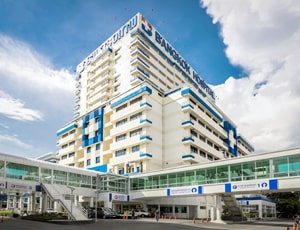
Bangkok Hospital
Bangkok, Thailand
Bangkok Hospital located in Bangkok, Thailand is accredited by JCI. Also listed below are some of the most prominent infrastructural details:
- It is recognised for the application of the newest healthcare technology.
- Blood analysis center that is not just the best in Thailand but in Asia Pacific as well.
- Biomolecule center that is the seed of healthcare equipment for Thailand and overseas.
- International affiliations and collaborations with universities and hospitals in Japan and the United States of America.
- 11 hospitals are recognised as Centers of Excellence.
- Known excellence in Trauma, Orthopedics, Cardiovascular, Neurology as well as Cancer Care.
- There is a proper streamlined patient services process followed in Bangkok Dusit Medical Services, Bangkok, Thailand.
- A well developed research center showcases the intent of the organisation to provide research based treatment opportunities to the patients.
- The group has several Medical industry partnerships as well to ensure healthcare solutions.
Our Services to better your experience
Opinion & Option
We submit the most accurate opinion and options from one or more countries for your review
Consult Privately
Consult with a certified specialist privately on our telemedicine platform even before you decide to travel
Logistics
We handle flights, visas, transfers, and accommodation—so you can focus on your health.
Recovery
Our In-house rehabilitation service packages to better your recovery and treatment outcome
Why Choose Thailand for Myelodysplastic Syndromes (MDS) Treatment?
Here are some reasons for selecting Thailand for Myelodysplastic Syndromes (MDS) treatment.
- Oncology Expertise: Thailand has highly trained haematologists and specialised centres with experience treating MDS.
- Advanced Treatment Options: Cutting-edge treatments such as stem cell transplantation, immunotherapy, and targeted medicines are available.
- Cost-Effective Care: MDS therapy in Thailand is less expensive than in many Western nations while providing excellent quality.
- International Patient Services: Thai hospitals provide multilingual support and personalised services to international patients.
- Accredited Healthcare Facilities: Leading Thai hospitals are JCI-accredited, providing high medical treatment standards.
Frequently Asked Questions
The life expectancy of Myelodysplastic syndrome (MDS) patients in Thailand is determined by various factors, including the kind of MDS, the patient's overall health, and the response to treatment.
Patients can live longer if diagnosed early and receive adequate treatment. Some may even reach remission.
Thailand's strong healthcare infrastructure and competent care help to improve outcomes and survival rates for MDS patients.
MDS and leukaemia involve the bone marrow and blood cells, but MDS is a disorder in which the bone marrow generates abnormal cells. In contrast, leukaemia is characterised by the fast, uncontrolled proliferation of defective blood cells. MDS is sometimes thought to be a precursor to leukaemia since it can progress to acute myeloid leukaemia (AML) in some circumstances; however, the two illnesses are separate.
While most cases of MDS are not inherited, specific gene changes can raise the chance of getting the disease. In rare situations, MDS can be inherited as part of a genetic condition, such as Fanconi anaemia. You should speak with a genetic counsellor if you have a family history of blood diseases.
Yes, myelodysplastic syndromes (MDS) can be treated in Thailand. The country boasts advanced healthcare facilities and expert oncologists that provide treatments such as chemotherapy, stem cell transplants, and targeted medicines.
Thailand's medical centres use cutting-edge technology and provide customised care, increasing the likelihood of effective management and better outcomes for MDS patients.
Chemotherapy is routinely used to treat high-risk MDS and cases that progress to acute myeloid leukaemia.
Chemotherapy medications eliminate abnormal cells in the bone marrow and restore normal blood cell production.
In Thailand, chemotherapy for MDS is administered in large cancer hospitals, where doctors tailor treatment plans.
Many MDS patients can live relatively normal lives with the proper care. However, symptoms, including tiredness, recurring infections, and the necessity for blood transfusions, can have an impact on one's life. Patients can usually maintain a high quality of life after receiving therapy such as blood transfusions, medications, and stem cell transplants.
Thailand is now conducting research and clinical trials to discover novel medicines for MDS, including innovative medications, immunotherapies, and targeted treatments. Some innovative therapies attempt to improve survival rates and reduce the risk of MDS developing leukaemia. Patients can discuss these options with their doctor to learn about new treatments.
Author

Alvina Hasan
Alvina Hasan is a dedicated medical researcher and scientific writer with a strong foundation in pharmaceutical sciences. She holds a B.Pharm from Jamia Hamdard University and an M.Pharm in Quality Assurance from DIPSAR University.
With deep medical expertise and a strong interest in healthcare communication, she focuses on transforming complex clinical and scientific information into clear, engaging, and easy-to-understand narratives. She develops insightful healthcare articles and research-driven content designed to support both medical professionals and patients, helping bridge the gap between advanced medical knowledge and practical understanding.
Readers can explore her published research and articles here:
https://carcinogenesis.com/index.php/JOC/article/view/868
https://carcinogenesis.com/index.php/JOC/article/view/870
View MoreReviewer

Dr. Mohit Agarwal
Medical Oncologist
14 Years of Experience
One of the finest Oncologist in New Delhi, India, Dr. Mohit Agarwal has worked with several world class multidisciplinary hospitals over the years. Dr. Mohit Agarwal has over 14+ years of experience in his field. The doctor treats and manages a wide range of conditions such as Stomach Cancer, Rectal Cancer, Breast Cancer, Brain Cancer View More
Last Reviewed - January 2026