Meniscus Tear Treatment in Turkey
- Top Accredited Hospitals
- Global Medical Standards
- Cutting-Edge Technology
- Proven Treatment Options
- High Success Rate
- Trusted by Millions

What is a Meniscus Tear?
A common knee injury is called a “meniscus tear,” which occurs when the meniscus(a C-shaped cartilage that protects the knee joint) is ripped by twisting, abrupt motions, or excessive knee pressure. The meniscus is a shock absorber between the femur and tibia, promoting stability and easy movement.
What is the Importance of Timely Treatment?
Timely treatment is crucial to prevent additional damage to the bones and joints;
- Prevents Additional Damage: If left untreated, tears may deteriorate, resulting in more damage to the cartilage.
- Lowers Arthritis Risk: Postponing therapy can lead to joint deterioration and increase osteoarthritis risk.
- Restores Knee Function: Prompt action aids in the restoration of strength, stability, and mobility.
- Prevents Chronic Pain & Swelling: Prompt treatment reduces discomfort, inflammation, and chronic pain.
- Enhances Recuperation Results: Prompt therapy or surgery results in quicker and more efficient healing
What are the Common Symptoms of Meniscus Tear?
The typical signs and symptoms of a Meniscus tear are as follows:
- Knee joint pain with inflammation,
- discomfort, and restricted mobility
- The sensation of locking or catching when the knee is moved
- Having trouble bearing weight or feeling unstable
Causes and Risk Factors of Birth Limb Deformities
Causes
- Twisting of the knee or abrupt knee rotation
- Injuries related to sports (frequently in basketball, soccer, and football)
- wear and tear caused by degeneration
Connect with our advisor for a PRIORITY response
Latest Research and Technologies in the Treatment of Meniscus Tears in Turkey
Turkey has made great strides in treating meniscus tears by employing state-of-the-art methods like arthroscopic surgery, suture-based repair systems, and biological therapies such as platelet-rich plasma (PRP) injections. Personalised medicine and 3D printing are emerging technologies that improve patient outcomes and surgical accuracy.
Meniscus Tear Prevention Tips
To help prevent Meniscus Tear or effectively manage it if you already have it, the following is the advice to be considered:
- Strengthen Supporting Muscles – Strengthen the quadriceps, hamstrings, and hip muscles to provide better knee support.
- Improve Flexibility – Regular stretching of the legs and hips reduces strain on the meniscus.
- Use Proper Technique – Maintain correct form when running, jumping, or lifting to minimise stress on the knee joint.
- Wear Proper Footwear – Shoes with good support help maintain knee alignment and reduce injury risks.
- Avoid Sudden Twisting Movements – Sudden turns or pivots without proper knee stability can cause tears.
Treatment options for Meniscus Tear
Meniscus repair:Meniscus repair, a surgical procedure that restores the torn meniscus by stitching it back together and letting it heal on its own, is best suited for younger patients and fresh tears in the outer (vascular) zone, where the blood supply aids in healing. The recovery period is more extended (three to six months), but preserves knee function and lowers the risk of developing arthritis.
Cost Start From USD 4500 - USD 7200Explore Options
Meniscectomy:Meniscectomy can be partial (removing only the torn area) or total (removing the entire meniscus), a procedure used when repair is impossible. Recovery is quick (4-6 weeks), but excessive removal could result in joint instability and early arthritis.
Cost Start From USD 2300 - USD 4800Explore Options
Meniscus tear diagnostic options include:
Physical examination
- The McMurray Test involves the doctor rotating, bending, and straightening the knee to feel for clicking or pain. Apley's Compression Test evaluates pain or grinding sensations when the knee is crushed and rotated.
Imaging Tests
- X-ray: It can rule out arthritis or fractures. But Can't detect soft tissue injuries like a meniscus tear.
- Magnetic resonance imaging, or MRI: The best diagnostic method for examining the meniscus and identifying the kind, extent, and location of tears.
- Ultrasound: Occasionally used to evaluate knee soft tissue injury.
Arthroscopy (Diagnostic & Surgical Tool): This minimally invasive technique involves inserting a tiny camera into the knee to examine the meniscus up close and, if necessary, do surgery to repair it.
MediRehab (a chain of Rehab centres, part of MediGence) provides comprehensive rehabilitation services to support patients through Teleconsulations and online therapy sessions.Post-operative rehabilitation for meniscectomy or meniscus repair includes:
- Phase 1 (0–2 Weeks): Crutches are used for restricted weight bearing, pain management, and oedema reduction.
- Phase 2 (2–6 Weeks): Mild strengthening and range-of-motion workouts.
- Phase 3 (6–12 Weeks): Balance drills, advanced strengthening, and a gradual return to daily activities.
- Phase 4 (three to six months): Fully return to activities and training personalised for the specific sport.
- Non-surgical minor tears require Ice & compression, Bracing & Support and activity modification.
Depending on the situation, your healthcare professional may prescribe medicine to help control your symptoms and support the treatment plan.
Instantly Connect with our Specialists


Hospitals for Meniscus Tear in Turkey

Memorial Sisli Hospital
Istanbul, Turkey
Memorial Sisli Hospital located in Istanbul, Turkey is accredited by JCI. Also listed below are some of the most prominent infrastructural details:
- Operates in a closed area of 53,000 sqm
- Capacity of 252 beds
- 13 Operating rooms
- 4 Intensive Care Units (KVC, General, Coronary, Neonatal)
- 3 Laboratories
- Organ Transplantation Center
- IVF Center
- Genetic Center
- Stroke Center
- Breast Health and Disease Center
- Oncology Center
- Da Vinci Robotic Surgery Center
- Bone Marrow Transplantation Center

Memorial Ankara Hospital
Ankara, Turkey
Memorial Ankara Hospital located in Ankara, Turkey is accredited by JCI. Also listed below are some of the most prominent infrastructural details:
- Covers an area of 42,000 sqm of closed area
- Capacity of 230 beds (60 intensive care units
- 11 Operating rooms
- 63 Polyclinics
- Technologies used by the Hospital are PET/CT, Endosonography-EUS, Elekta Versa HD Signature, etc.
- Besides the patient rooms and suites where any needs and luxuries of the patients and their relatives are considered, Memorial also has rooms for dissable patients, where all details are designed specially

Medicana Camlica Hospital
Istanbul, Turkey
Medicana Camlica Hospital located in Istanbul, Turkey is accredited by JCI. Also listed below are some of the most prominent infrastructural details:
- 150 bedded Hospital
- Specialty-based clinics
- Fully-equipped patient rooms
Our Services to better your experience
Opinion & Option
We submit the most accurate opinion and options from one or more countries for your review
Consult Privately
Consult with a certified specialist privately on our telemedicine platform even before you decide to travel
Logistics
We handle flights, visas, transfers, and accommodation—so you can focus on your health.
Recovery
Our In-house rehabilitation service packages to better your recovery and treatment outcome
Why Choose Turkey for Meniscus Tears?
The following are the main reasons to choose Turkey for Meniscus Tear treatment:
- Economical & Affordable Treatment: Surgery costs 60–80% less than in Western nations. Numerous medical facilities provide comprehensive packages, including surgery, hospitalisation, and rehabilitation.
- World-Class Medical Facilities & Highly Experienced Surgeons
- Use of modern technologies, including arthroscopy and robotically assisted surgery.
- International quality standards are guaranteed by JCI-accredited hospitals.
- Surgery With Minimal Invasiveness: Less scarring and quicker recovery are possible with arthroscopic meniscus repair. Shorter hospital stays and less pain, thanks to minimally invasive methods.
- Minimal Waiting Period: Unlike long waitlists in Western nations, consultations and operations can be scheduled immediately.
Frequently Asked Questions
Surgery may be required when a meniscus tear is broad and complicated or continues to cause pain, oedema, and instability in the joint after conservative measures like rest, physical therapy, and medication have failed. It is also necessary if the tear is impairing everyday activities, locking the knee, or limiting movement. Surgery may be required for athletes or active people to speed up their recuperation and prevent long-term joint damage.
Although it can affect any age group, meniscus tears are most frequently seen in young athletes and elderly people. Young athletes often experience as a result of abrupt twisting or trauma, particularly in high-impact sports. Wear and tear causes degenerative tears in middle-aged and older persons (over 40). Although they are uncommon, children with structural knee problems may also suffer from meniscus tears.
Though a meniscus tear is not directly passed on, genetic factors may raise the risk because they affect knee anatomy, joint stability, and collagen strength. Some people are more vulnerable to meniscus injuries because they may inherit poorer cartilage or diseases like osteoarthritis. But rather than being inherited, the majority of tears are caused by trauma, sports, or age-related deterioration.
A meniscus tear causes pain, oedema, and stiffness in the knee joint; it can drastically limit movement. Walking and other activities may become difficult due to the affected leg's inability to bend, straighten, or bear weight. Sometimes, the knee may lock or give way in extreme situations, reducing stability and range of motion.
To select Turkey's best physician and facility for treating meniscus tears, institutions accredited with JCI for modern and arthroscopy facilities must always be checked. Examine the surgeon's background, foreign education, and patient testimonials. You can get support by speaking with a medical tourism facilitator at mediGence to select the best doctor and facility. It provides specialised rehabilitation programs and state-of-the-art equipment.
Most hospitals in Turkey offer the following:
- Assistance in obtaining visas.
- Airport Service to and from the hospitals.
- Multilingual experts and Best accommodations services.
- Personalised treatment plans for patients from abroad.
Indeed, advanced arthroscopic surgery, regenerative therapies, and robotic-assisted operations are among the current technologies available in Turkish institutions for the treatment of meniscus tears. Numerous medical facilities adhere to global guidelines, guaranteeing superior and minimally intrusive treatment alternatives.
Yes, doctors in Turkey have extensive experience treating meniscus tears, and most have obtained apprenticeships at prestigious international institutes. They assure efficient treatment with superior results because of their expertise in arthroscopic meniscus repair, meniscectomy, and rehabilitation programs.
An untreated meniscus tear can cause cartilage degeneration, joint instability, and chronic discomfort. It may raise the risk of osteoarthritis, decreased mobility, and knee locking over time. In severe cases, it might result in irreversible joint degradation, necessitating more involved procedures like knee replacement.
Yes, a meniscus tear can significantly impact day-to-day functioning, athletic ability, and productivity at work. It can impair mobility by causing knee weakness, walking difficulties, oedema, and chronic pain. If left untreated, it may cause permanent impairment and a decline in general quality of life.

Reviewer
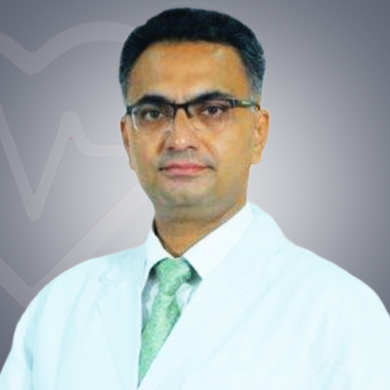
Dr. Puneet Mishra
Orthopaedic Surgeon
25 Years of Experience
Known among his patients for treating with compassion and personal care, Dr. Puneet Mishra is one of the best orthopedic surgeons in New Delhi. Dr. Puneet completed his MBBS from Maulana Azad Medical College in 1996 and from the same college he completed his MS (orthopedics) in 2000. With almost 25+ years of surgical experience under him, Dr. Pankaj takes pride in working with some of the finest medical institutions of the world such as University Hospital, Bern, Maulana Azad Medical College, New Delhi, Endoklinik, Germany, and Professor and Consultant orthopedician at Guru Teg Bahadur Hospital, New Delhi. View More
Last Reviewed - January 2026