Lymphoma Treatment in India
- Top Accredited Hospitals
- Global Medical Standards
- Cutting-Edge Technology
- Proven Treatment Options
- High Success Rate
- Trusted by Millions

What is Lymphoma?
Lymphoma, a type of cancer, is related to the lymphatic system in the human body. The lymphatic system comprises lymph nodes (small, bean-shaped structures that filter lymph, which is a clear fluid carrying white blood cells), the spleen, the tonsils and the bone marrow.
What is the Importance of Timely Treatment?
- Increased Chances of Cure: Often, the early diagnosis of lymphoma-type diseases such as Hodgkin's disease is associated with a higher likelihood of achieving complete remission. Delaying the treatment for this cancer allows it to spread further and reduces the chances of caring entirely for the patient. Early treatment is necessary for the long-term recovery process.
- Stopping the Spread of Disease: In many aggressive cases of non-Hodgkin lymphoma, the disease would have spread quickly without immediate treatment. Time taken before intervention allows an increase in tumour size and complications. Prompt treatment helps keep the disease confined to treatable stages.
- Improvement in the Response to Treatment: Chemotherapy, radiotherapy, and immunotherapy can benefit the earlier stages of the disease. However, patience in treatment may increase resistance and likely make therapies more resistant and ineffective. Timely treatment increases the response rate and helps minimise side effects.
- Preventing the Symptoms and the Conditions: Giving timely medical intervention brings out symptoms like greyness and conspicuous swellings in lymph nodes. Delaying treatment aggravates conditions to diagnoses like organ damage or possible infections. Early treatment could deal with both symptoms and the disease's spread.
- Increased Survival and Psychological Improvement: This can dramatically improve chances of survival, even in the worst forms of lymphoma, such as immediate medical care. Quick initiation of therapy lowers anxiety and gives emotional relief. The patient will feel much more in control of his/her course to recovery.
What are the Common Symptoms of Lymphoma?
- Swollen Lymph Nodes
- Fatigue
- Unexplained Weight Loss
- Fever and Night Sweats
- Itchy Skin
- Pain or Fullness in the Abdomen
- Chest Pain or Difficulty Breathing
Types of Lymphoma
- Hodgkin Lymphoma (HL) mainly affects young adults and the elderly. It is characterised by Reed-Sternberg cells. It is also treatable and has a reasonable cure rate when diagnosed early, mainly in the nodes.
- Non-Hodgkin Lymphoma (NHL) does not have Reed-Sternberg cells but is very assorted, with B-cell and T-cell types. The prognosis depends on the type. Some are slow-growing, while others are aggressive. NHL is systemic, attacking different organs and lymph nodes. It varies widely depending on the subtype and stage of the disease. Some subtypes are highly treatable, while others may be more aggressive and harder to treat.
- B-cell Lymphomas: The most common type of NHL, including Diffuse Large B-cell Lymphoma (DLBCL), Follicular Lymphoma, and Burkitt Lymphoma.
- T-cell Lymphomas: Less common, affecting T-cells, such as Peripheral T-cell Lymphoma and Anaplastic Large Cell Lymphoma.
Causes and Risk Factors of Lymphoma
Causes
- Weakened Immune System
- Infections
- Family History
- Age
- Gender
- Autoimmune Diseases
- Environmental Factors
- Previous Cancer Treatments
- Obesity
Risk Factors:
- Weakened Immune System
- Infections
- Family History and Genetic Factors
- Age and Gender
- Autoimmune Diseases
- Chemical Exposure
- Radiation Exposure
- Obesity
- Previous Cancer Treatments
Connect with our advisor for a PRIORITY response
Latest Research and Technologies in the Treatment of Lymphoma in India
The medical treatment of Lymphoma in India adapts the newest research and technologies to meet worldwide clinical standards and healthcare capabilities.
- CAR T-Cell Therapy: India launched its first fully indigenous CAR T-cell therapy for treating advanced lymphoma and leukaemia. This therapy allows the country to provide less expensive treatments than imported treatments. Early clinical trials indicate excellent remission rates.
- B-Cell Lymphoma treatment: In India, treatment for B-Cell Lymphoma employs antibody-drug conjugates. The drug targets cancer cells directly and improves efficiency by reducing relapse chances because the drug would be delivered to the tumour directly.
Lymphoma Prevention Tip:
- Maintaining a healthy immune system: Ensure you get a balanced diet, exercise or fitness, and sound sleep. Also, update your vaccines for infections like EBV-related ones, as EBV has been linked to lymphomas.
- Limit exposure to pollutants: Lessen contamination with toxic chemicals such as pesticides and benzene. Use a protective kit for any exposure to chemicals or radiation at the work premises.
- Keep Off Weight And Exercise Regularly: A healthy weight reduces the risk of lymphoma, especially non-Hodgkin lymphoma, which can be acquired with a bit of exercise.
- Avoid Infection: Avoid infection by practising hygiene and limiting exposure to diseases like the Epstein-Barr virus (EBV). Very often, treating infections would lower the risk of lymphomas.
- Conduct Health Check-Ups Regularly: Regular health check-ups can catch signs that may point towards lymphoma early on. Ensure that symptoms like swollen lymph nodes and fatigue are consulted with a physician immediately.
Treatment options for Lymphoma
The medical treatment for Lymphoma requires evaluating the patient's severity and medical condition. However, at metastasised stages, the treatment might not be very effective. The following are the treatment options:
Chemotherapy : Using drugs to kill or slow down cancer formation is popularly known as chemotherapy. Hence, chemotherapy is usually given in cycles alone or in conjunction with other modalities.
Cost Start From USD 600 - USD 700Explore Options
Radiation Therapy: High-energy rays kill cancer cells or prevent their growth and are particularly effective for localised types of lymphoma. Radiation therapy is usually combined with chemotherapy and is a treatment option for early-stage Hodgkin lymphoma.
Immunotherapy : An immunotherapy drug stimulates the immune system to kill tumour cells or recruit the capacity of the immune system to counterattack tumour cells. This could be monoclonal antibodies that engage specifically lymphoma cells or Chimeric antigen receptor (CAR) T-cell therapy, whereby a patient's immune cells are re-engineered for better destruction of lymphoma cells.
Cost Start From USD 3000 - USD 5000Explore Options
Stem Cell or Bone Marrow Transplantation : Treating lymphoma-relapsed cases occurs by replacing sick bone marrow with healthy stem cells. This can be an autologous stem cell transplant (the patient's cells) or an allogeneic transplant (from a donor).
Cost Start From USD 18000 - USD 36000Explore Options
Targeted Therapy : Involves drugs targeting cancer cells while sparing the healthy ones. Some of these drugs specifically target molecules or genes that are crucial in the growth of lymphoma.
Cost Start From USD 8000 - USD 12000Explore Options
Surgery: It is rare, but if a lymph node, in some instances, produces considerable symptoms such as pain or obstruction, it may be surgically removed to relieve symptoms. Much more common, however, are the curative effects of radiation or chemotherapy.
These are the standard diagnostic methods for diagnosing Lymphoma:
- Physical examination: The first step involved doing an excellent physical examination by the doctor, looking out for swollen lymph nodes, spleen, or liver. He would note unexplained weight loss, fever, night sweats, etc.
- Imaging Studies:
- Computed Tomography: A detailed X-ray. A CT scan helps identify enlarged lymph nodes and examines whether lymphoma has spread to other organs.
- PET scan (positron emission tomography): This is usually performed with a CT scan (PET/CT) to find active lymphoma cells throughout the body. It is a staging and evaluation method for treatment.
- MRI (magnetic resonance imaging): Occasionally employed to examine lymphoma that has advanced into the brain, spinal cord, or other soft tissues.
- Blood Tests:
- Complete Blood Count (CBC): This can reveal abnormalities such as low red or white blood cell counts, which may indicate lymphoma or other blood-related issues.
- Lactate Dehydrogenase (LDH): Elevated levels can indicate lymphoma or tumour activity.
- Beta-2 Microglobulin: Increased levels may suggest more aggressive forms of lymphoma.
- Biopsy:
- Lymph Node Biopsy: The most definitive diagnostic tool. A sample of the lymph node or other tissue is removed for examination. This can be done through:
- Excisional Biopsy: Removal of an entire lymph node.
- Incisional Biopsy: Removal of a small portion of the lymph node.
- Core Needle Biopsy: A needle removes a tissue sample from the affected area.
- Bone Marrow Biopsy: If lymphoma is suspected to involve the bone marrow, a sample of bone marrow is taken for analysis.
- Flow Cytometry: A lab test used to analyse the type of lymphoma cells based on their surface markers. It helps to differentiate between types of lymphoma and can guide treatment decisions.
- Bone Marrow Aspiration: If lymphoma is suspected to involve the bone marrow, a sample of bone marrow fluid is collected using a needle and analysed for cancerous cells.
MediRehab (chain of Rehab centres - part of MediGence provides comprehensive rehabilitation services designed to support patients in India. These services include:
- Physical Therapy: It helps maximise strength, restore movement, and manage lymphedema (swelling). These exercises can be tailored to each individual's recovery from an aspect of functioning following chemotherapy or surgery.
- Occupational Therapy: Helping adjust to daily activities and conserving energy for what is essential. These include dressing up, cooking, and personal hygiene through a therapist.
- Psychological Counseling: Individual counselling or support groups help may be needed to confront the life challenges of anxiety and depression, which many patients face as part of their new reality.
- Nutritional Counseling: Recommends what to eat to support recovery, assist with treatment side effects, and improve overall health. Dieticians will guide the patient on how he or she should eat at the time of and after the lymphoma treatment.
- Cognitive Rehabilitation and Pain Management: Memory and cognitive function after treatment are improved with help.
Steroids, along with radiation, may also be deployed to reduce inflammation and shrink tumours; there are also some supportive meds to manage side effects, such as nausea. Tailored treatment plans will be employed depending on the type of lymphoma and stage.
Instantly Connect with our Specialists


Hospitals for Lymphoma in India

Regen Ortho Sport
Mumbai, India
Regen Ortho Sport is a specialized facility in Bandra East, Mumbai, that provides patients of all ages with top-notch medical care. The professionals on the hospital's staff are extremely knowledgeable and proficient in their fields. At the hospital, patients may anticipate receiving excellent care, including operations, treatments, and procedures.
Regen Ortho Sport also offers a wide range of treatments to promote the health and well-being of its patients. The hospital provides a range of packages based on the demands and finances of its patients.
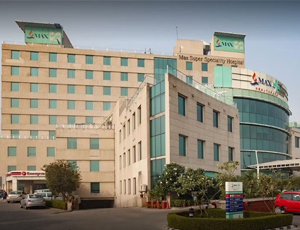
Max Super Specialty Hospital, Shalimar Bagh
Delhi, India
- Max Super Speciality Hospital, Shalimar Bagh, is a 402-bed quaternary-care hospital in New Delhi, offering advanced treatment across 37+ specialities, including Cancer, Cardiac, Neurosciences, Gastroenterology, Orthopaedics, and Renal Transplant.
- Equipped with state-of-the-art technology and a team of highly skilled doctors and nurses, the hospital provides complex procedures, minimally invasive surgeries, and targeted cancer treatments, making it one of India’s leading healthcare destinations.

Amrita Hospital
Faridabad, India
Founded in 1998 by Mata Amritanandamayi (Amma), the Amrita Institute of Medical Sciences and Research Centre is one of India’s leading healthcare institutions, accredited by ISO, NABH, and NABL. With 2 branches, 7 medical colleges, and a network of 800+ doctors and 2,600+ beds, it offers comprehensive care across 81 specialties and 12 super-specialty departments, supported by 60+ modern operating theatres and 534 critical care beds. The Faridabad campus, a world-class multispeciality facility, houses advanced centers for oncology, neurosciences, cardiac sciences, gastro-sciences, mother and child care, and trauma care, along with India’s most comprehensive infectious disease unit. Guided by a mission of compassion and innovation, Amrita Hospitals combine cutting-edge medicine with humanitarian service to empower communities and promote holistic well-being.
Our Services to better your experience
Opinion & Option
We submit the most accurate opinion and options from one or more countries for your review
Consult Privately
Consult with a certified specialist privately on our telemedicine platform even before you decide to travel
Logistics
We handle flights, visas, transfers, and accommodation—so you can focus on your health.
Recovery
Our In-house rehabilitation service packages to better your recovery and treatment outcome
Why Choose India for Lymphoma Treatment?
The following are the much-growing reasons for India being frequented for Lymphoma treatment:
- World-Class Health Services at Affordable Costs: The nation is proficient in advanced medical technologies and treatments, including high-quality care at often dissimilar cost ratios of Western countries.
- Most Qualified Professionals: Patients will find internationally trained, renowned hepatologists, surgeons, and specialists. Medical and individualised treatment options will complement the value of the care provided by the best experts in India.
- Complete Medical Services: From advanced diagnostic tools such as elastography and imaging to liver transplants, India has gone the extra mile to provide patients with cutting-edge facilities for total Lymphoma treatment.
- Easy Medical Tourism: India is becoming a central international hub for medical tourism. Many accredited hospitals provide excellent service to international patients, including easy accessibility, visa assistance, and organised packages.
- Holistic Treatment: Most hospitals in India work towards a mainstream plus traditional treatment regime, including even Ayurvedic treatments, for complete liver health recovery and wellness, thus attending to emotional and physical wellness.
Frequently Asked Questions
The many varieties of lymphoma, especially the cancer often referred to as Hodgkin lymphoma, are curable and treatable. The cure is possible if treatment is initiated on time. Non-Hodgkin lymphoma is also amenable to treatment, although long-term management may be necessary.
The prognosis is, indeed, dependent on type, stage, and response to treatment. Lymphoma of an earlier stage has a greater chance of being put into remission compared to lymphomas at a more advanced stage.
Yes. Aggressive forms arise, are treated, and then have chances of being relapsed or recurrent. Continuous monitoring and follow-up care are most needed in cases of relapses.
A good diet, consistent aerobic exercise, stress management, and cleanliness from infections will augment health and enhance treatment effectiveness during healing.
Lymphoma is one of the most common cancers in India, but. In contrast, most cases are non-Hodgkin lymphomas; Hodgkin lymphomas are not far behind in incidence, especially among the younger population.
Survival rates of lymphomas in the country are on the up because of improvements in treatments. In the case of lymphomas in the early stages, especially Hodgkin lymphoma, they have a high survival rate. Survival rates from treatment for advanced non-Hodgkin lymphoma vary but also show improvement as a result of better access to therapies.
Environmental toxins, smoking, alcohol, unbalanced diets, and other such lifestyle factors contribute to a risk of developing first-proof leukaemia. The reasons are still being researched, but genetic or viral ones are relevant.
Ideally, the best-qualified lymphoma specialist is a medical oncologist or haematologist who treats lymphoma under his or her scope of practice. Inquire about board certification, appropriate experience in lymphoma treatments, and association with reputable hospitals or cancer centres.

Reviewer

Dr. Mohit Agarwal
Medical Oncologist
14 Years of Experience
One of the finest Oncologist in New Delhi, India, Dr. Mohit Agarwal has worked with several world class multidisciplinary hospitals over the years. Dr. Mohit Agarwal has over 14+ years of experience in his field. The doctor treats and manages a wide range of conditions such as Stomach Cancer, Rectal Cancer, Breast Cancer, Brain Cancer View More
Last Reviewed - January 2026